
When a space feels polished, designers usually notice that before they can pinpoint the details that make it that way. It's rarely just the sofa, the stone, or the wall color doing all the work. More often, the difference comes from the details that pull everything together.
We think of hardware as the finishing layer that can actually impact the quality and feel of the whole design. You can walk into a beautifully planned room, but if the handles feel flimsy, the hinges look forgotten, or the finishes clash with the rest of the palette, the whole space feels off. On the other hand, when the hardware is thoughtful, the entire room feels sharper, calmer, and more complete. It's one of the first things a trained eye would notice because it shows intention.
Why Do Designers Notice Hardware So Quickly?
Designers are trained to read a room through proportion, material, contrast, and rhythm. Hardware brings all four together. It's constantly touched, seen up close, and generally repeated throughout the entirety of a space. Because of this, it becomes one of the clearest signals of quality.
A drawer pull, a door lever, or a cabinet knob may seem small on its own, but repeated across a kitchen, bath, entry, or dressing room, it starts to shape the whole visual language of the interior. If the lines are clean and the finish feels right, the room looks complete. If the scale is off or the hardware looks generic, it can flatten and even cheapen the design. This is why architectural hardware matters so much in well-designed homes. It's not just decoration, it defines the tone of the space, whether that tone is minimal, classic, tailored, warm, industrial, or luxurious.
Is Finish The First Detail People Feel?
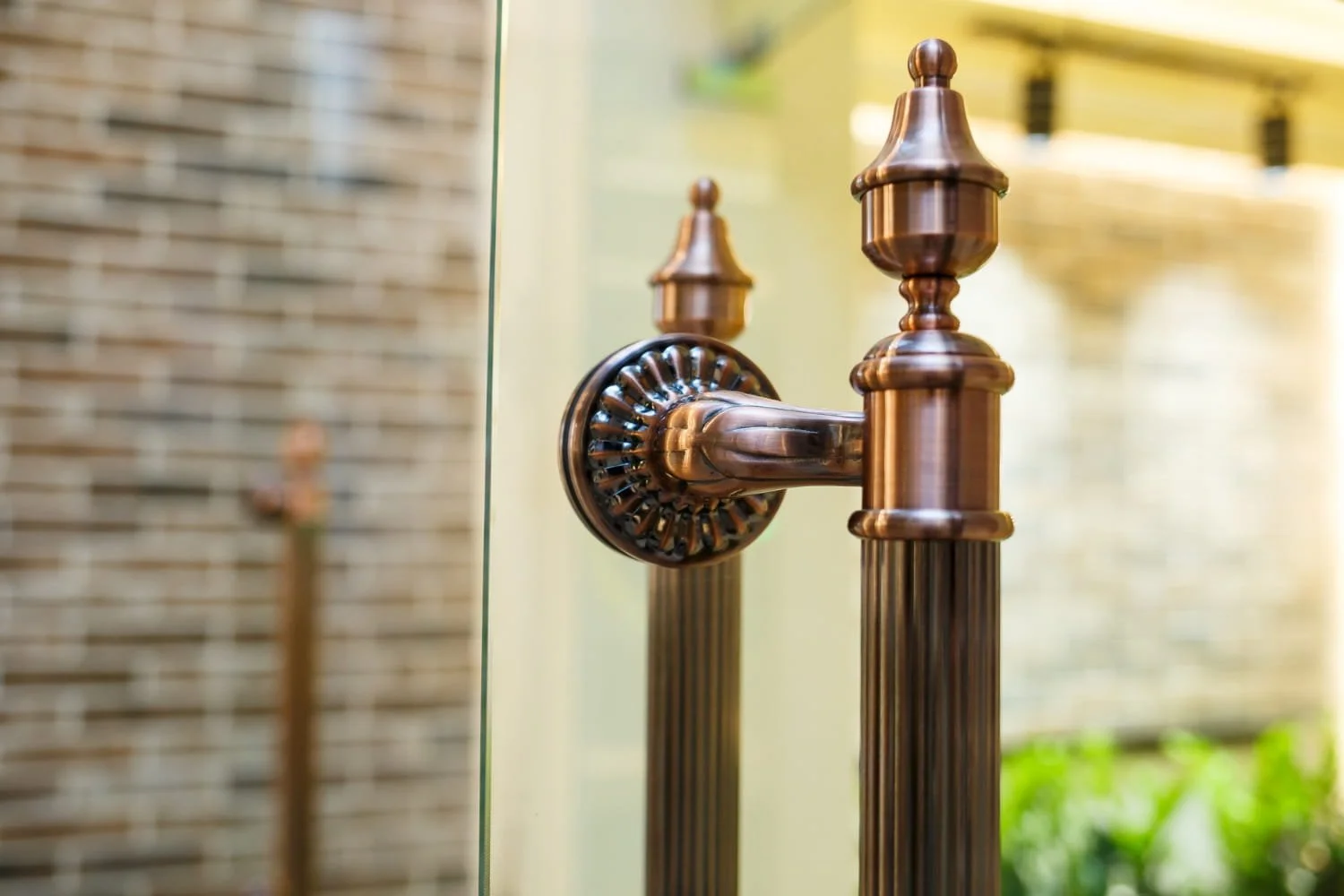
In many cases, yes. The finish is often the first thing people register, even if they do not consciously call it out. A soft brushed brass brings warmth. Polished nickel adds light and clarity. Oil-rubbed bronze can ground a room and give it age. Matte black creates contrast when used with purpose. Living finishes, which develop character over time, can make a room feel more human and less manufactured.
Designers notice whether a finish belongs to the room or was simply chosen by default. A finish should relate to the other surfaces around it. It should speak to the tone of the cabinetry, the sheen of the faucet, the texture of the flooring, and even the quality of natural light in the room. The most interesting spaces don't usually rely on one finish just because it's popular. Designers choose finishes because they create a mood, whether that means warmth and softness or tension and contrast. Either way, the finish is doing more than accessorizing, it's defining the character of the room.
How Does Form Change The Personality Of a Space?
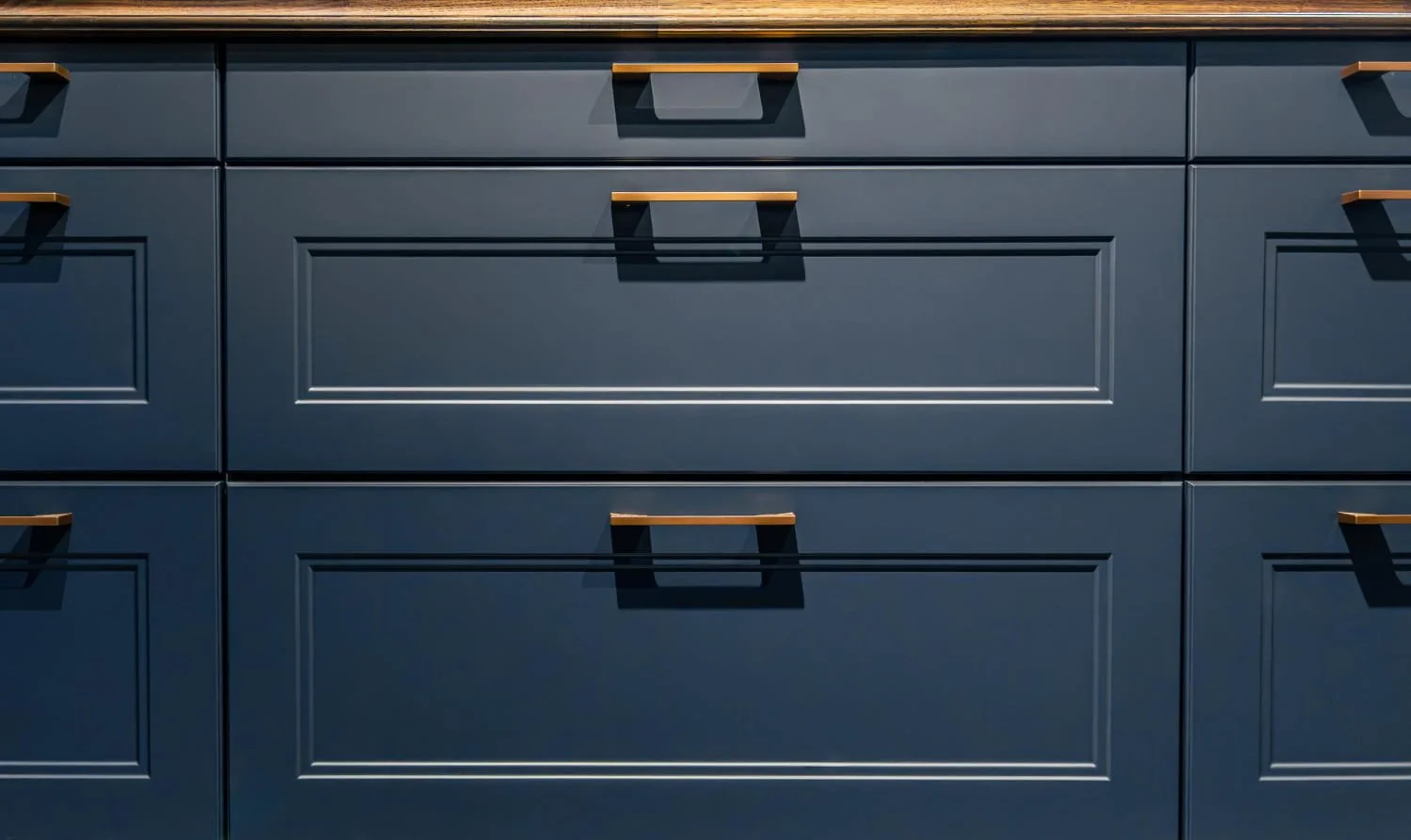
A slender linear pull suggests discipline and restraint. A rounded knob feels more traditional. A sculptural lever can make a door feel distinguished. The small details really shape the feel and expectation of a home or room. This is how many spaces can either become memorable or forgettable. If the architecture is soft and curved, harsh angular hardware can feel disconnected. If the room is crisp and modern, overly ornate pieces may feel like they wandered in from somewhere else. Understanding silhouette, repetition, spacing, and how the hand will meet the object will help you make a decision that feels right for the room. A good form is visual, but it's also physical, so no matter what surface you've chosen your hardware for, it should feel natural to use.
What Makes Hardware Feel Expensive Without Looking Showy?
Usually, restraint. Expensive-looking hardware does not need to scream for attention. In fact, the strongest pieces often feel understated but well made. For example, weight and texture matter. The edges should not feel sharp or unfinished, the finish should have depth rather than looking flat or plastic. Even the backplate, screw placement, and how the piece meets the surface all play a role.
Designers notice these details because they affect how clean a room feels. There is a difference between hardware that is decorative and hardware that feels crafted. The latter tends to age better and elevate everything else around it. That is one reason architectural hardware has such an effect. It may be a small percentage of the renovation budget, but it carries an outsized amount of visual weight. It tells people whether the room was truly considered or simply assembled.
Do Scale and Proportion Really Matter?
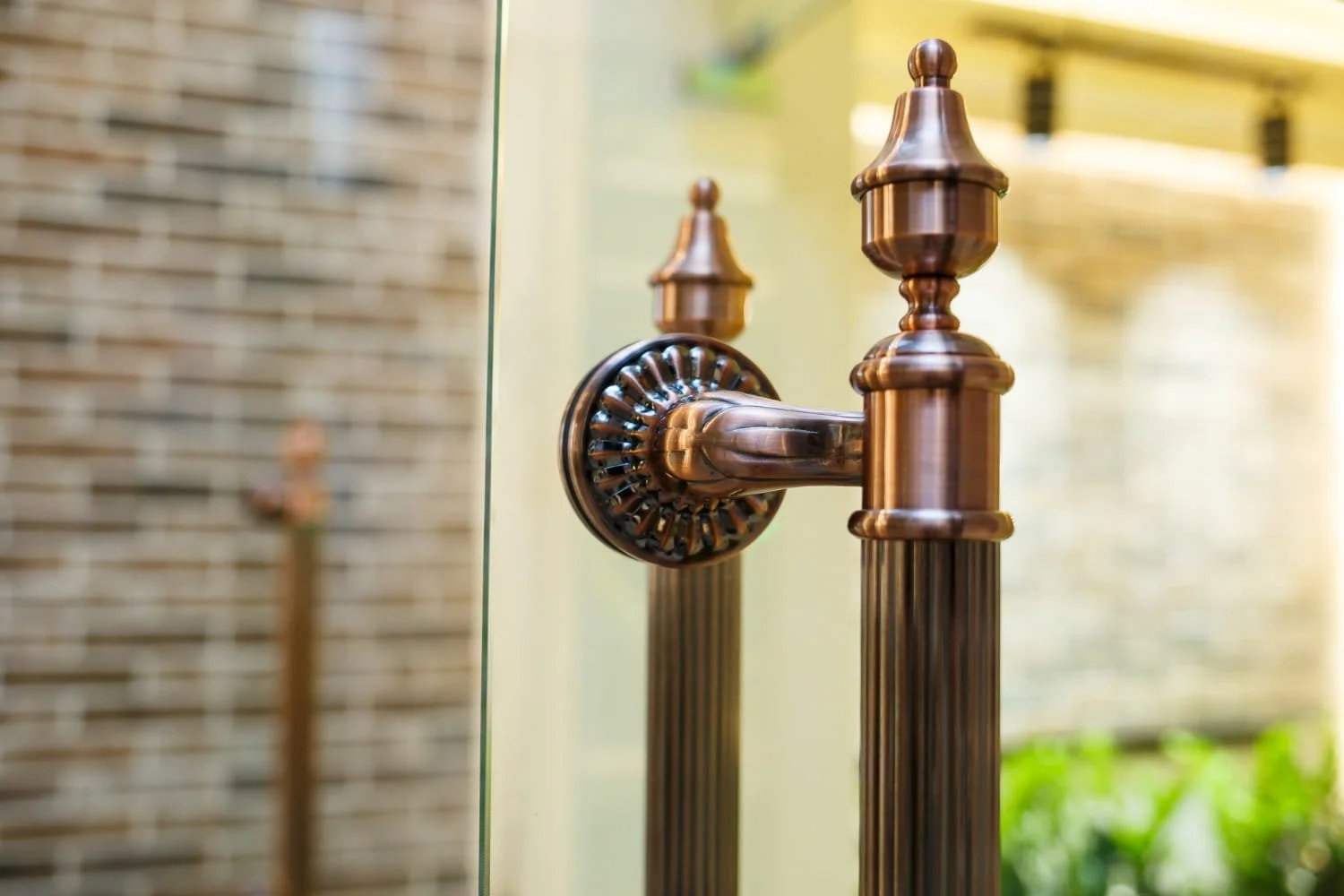
Absolutely. In fact, scale is one of the most common reasons hardware feels wrong, even when the style itself is beautiful. A pull that is too small can make large cabinetry feel timid. An oversized knob can make a refined vanity feel clumsy. The relationship between hardware and the surface it lives on has to be balanced.
Designers are quick to notice proportion because it affects the rhythm of the room. In kitchens especially, hardware repeats across doors and drawers, so even a small sizing mistake becomes very visible. Long drawers may need longer pulls to feel grounded. Compact cabinetry may benefit from smaller, more tailored pieces. This does not mean every room needs one exact formula, but the choices need to feel deliberate. Sometimes mixing knobs and pulls creates useful and interesting variation, or using one consistent shape throughout creates a calmer space. The right choice depends on the surface, and the room, not just a trend.
Why Is Touch Such An Important Part?
Hardware is one of the few design elements people interact with every day. You don't just see it, you reach for it, pull it, grip it, feel its temperature and texture. That tactile experience matters more than many people expect, even if in a magazine or a photo it looks beautiful, it won't matter if it feels cheap. Designers understand that luxury is not only visual, it's sensory. The coolness of metal, the softness of a hand-finished surface, the solid movement of a lever, and the sturdiness of a well-made latch all contribute to how a space is experienced. That is why good architectural hardware often translates design from something purely visual into something physical and lived-in. It's one of the clearest ways a home communicates thought and care.
What Are The Details Designers Remember Most?
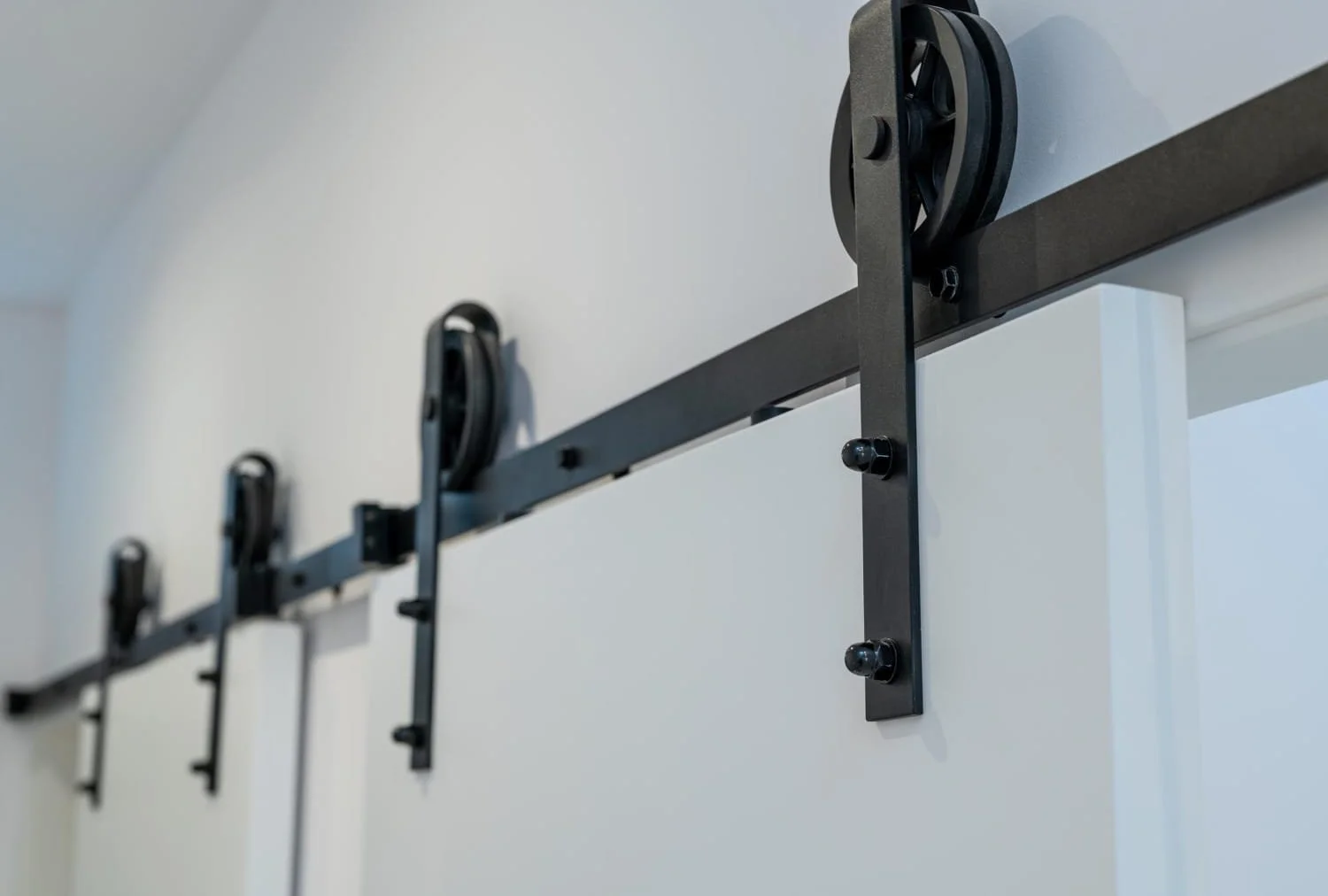
Choosing a handle that mirrors the geometry of a staircase, or a warm metal finish that picks up the tones in the wood floor, or a cabinet pull with just enough texture to catch light without becoming flashy are all details that will feel intentional and make a difference in how your space is felt and remembered.
When the hardware creates cohesion across the home, even if it may not be identical everywhere, but related, the house will feel more complete. This is often what separates a decent renovation from a refined one. Great spaces do not just have beautiful pieces, they have consistency, tension, and detail in the right places.
Why Do These Small Choices Have Such a Big Effect?
Design is cumulative. People experience rooms as a whole, and that whole is built from dozens of smaller decisions. Hardware might not be the loudest part of a space, but it's often one of the most revealing. When looking at a well-designed room, hardware is not an afterthought. I see it as one of the elements that gives weight to the cabinetry, character to the doors, and polish to everyday function. It helps turn a good design into one that feels complete.
If you are refining a home and want details that designers notice for the right reasons, start by paying closer attention to finishes, form, scale, and feel. Feel free to explore our thoughtfully selected architectural hardware at Elegance In Hardware, where we can help you discover how the smallest choices shape the entire experience of your space.