
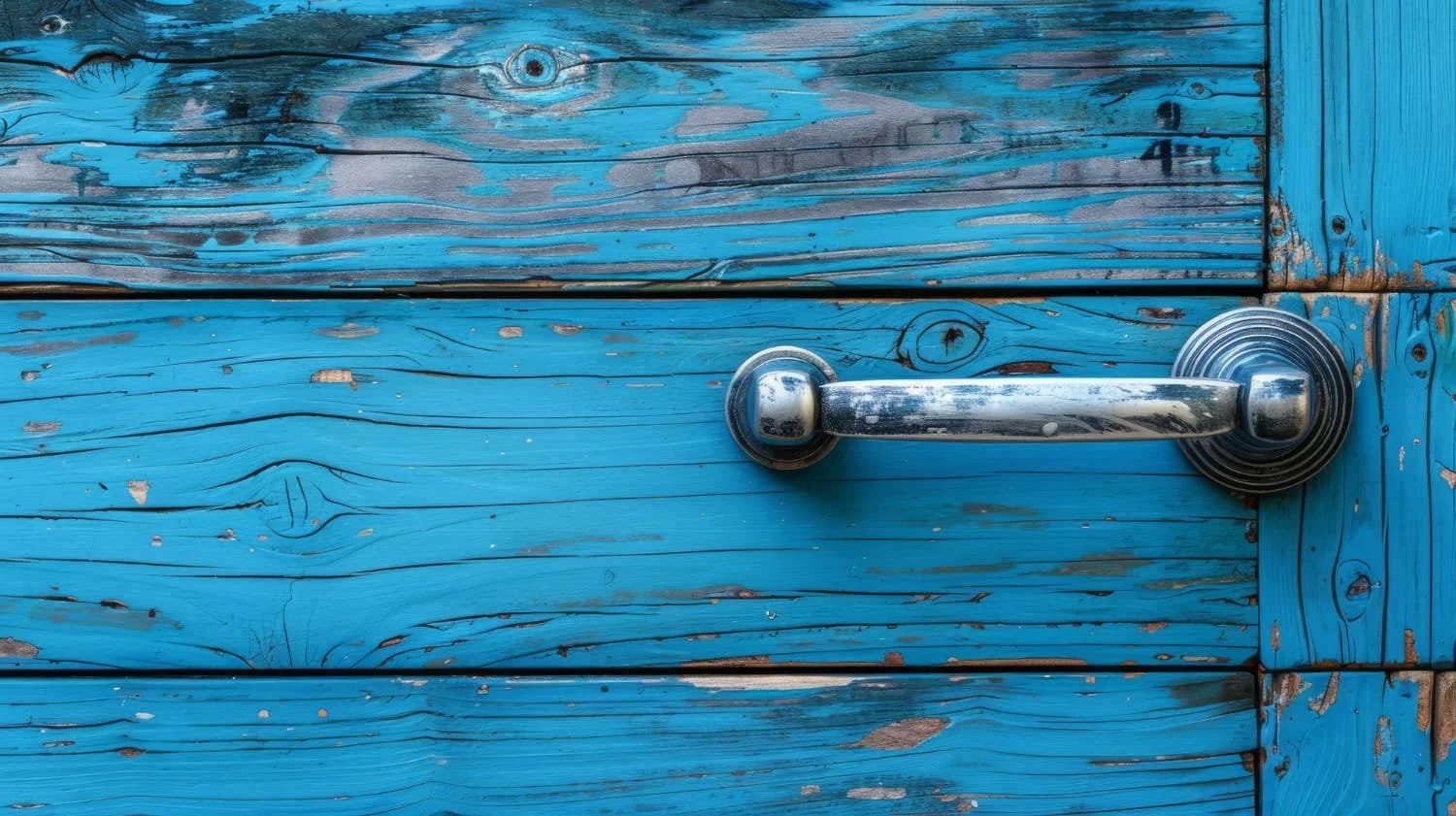
Architectural door hardware refers to the functional and decorative elements that operate, secure and finish a door whether that be hinges, handles, locksets, pulls, stops and closers. They're all chosen as part of a building's overall design rather than picked up as an afterthought. The term separates thoughtfully designed and well-built pieces from generic hardware you can just buy off a shelf. Architects and designers often specify these pieces early in a project, along with flooring, lighting and cabinetry because small components like this carry much greater weight than you might expect in how a space feels and functions. Architectural door hardware accounts for durability and code compliance, not just appearance, which is part of why it's treated as its own category rather than a last-minute purchase. Here are seven different types of architectural door hardware everyone should know about.
Why Does Architectural Door Hardware Matter in Design?
Every person who walks through a building touches its door hardware before they see much else of the interior. The weight of a lever, the resistance of a hinge, or the click of a latch can set an impression before a single piece of furniture comes into view. Architectural door hardware matters because it sits at the intersection of daily use and visual design, meaning it has to perform well and look intentional at the same time. Mismatched finishes, hardware that feels flimsy or hinges that squeak don't do justice for an otherwise well-designed room. Nailing the details means carefully aligning the tones of every finish used throughout a home or building for a cohesive appearance like choosing brass with brass, black with black and choosing a weight and mechanism appropriate to how often a door gets used. Designers often treat hardware as a finishing layer with the same care given to tile or trim.
What Types of Hinges Count as Architectural Door Hardware?
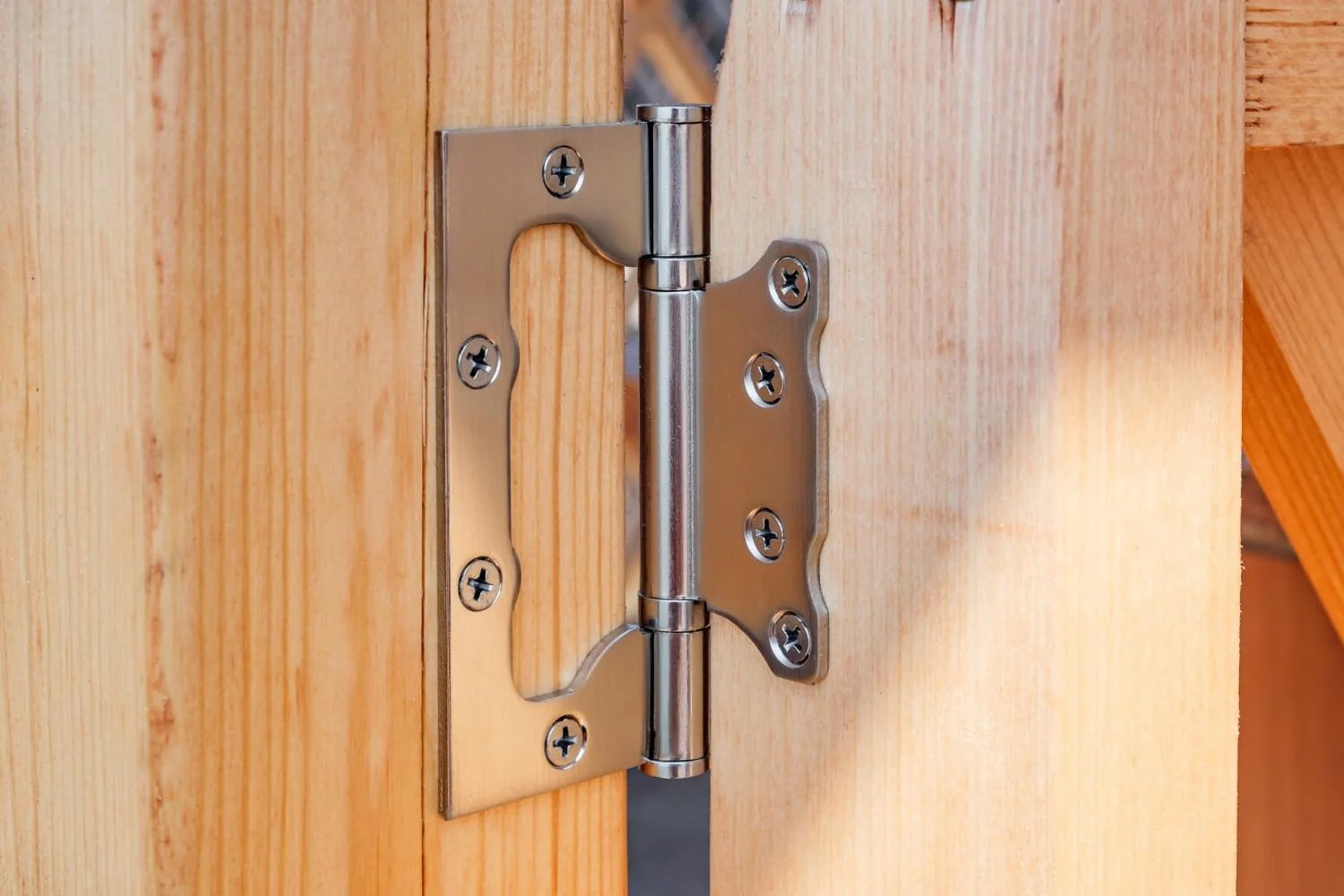
Hinges are the most overlooked piece of architectural door hardware, largely because they're primarily a functional detail rather than being thought of as a design detail. Any good designer knows you can make anything, even a hinge, look elegant. For most interior doors, butt hinges are the standard choice. They're mounted on the door edge and frame, and available in a range of finishes to match handles and other hardware nearby. Concealed hinges hide the mechanism entirely for a cleaner look, often used on flush or minimalist doors where visible hardware would compete with the design. Pivot hinges mount at the top and bottom of the door rather than the side, giving heavier doors a different range of motion and a more architectural feel. Ball-bearing hinges add a smoother, quieter operation for high-traffic or heavier doors, an upgrade worth specifying for entry doors or anywhere a door swings dozens of times a day. Choosing the right hinge is a structural decision as much as an aesthetic one, since weight, frequency of use and door material all affect which hinge holds up.
What Role Do Handles, Levers and Knobs Play?
Handles are the most visible piece of architectural door hardware and usually the first thing a homeowner picks when planning a renovation. Levers are the more common choice in modern homes and are generally considered more comfortable to use than round knobs. However, knobs still suit traditional or period homes where the rounded shape matches the architecture, though building codes tend to favor levers more for accessibility in commercial spaces. Finish is where handles do the most design work: brushed brass and unlacquered brass have become popular for their warmth, while matte black and brushed nickel remain reliable choices for a cleaner, more contemporary look. Whatever finish gets chosen, consistency matters. Mixing warm and cool metals across a home tends to feel unplanned rather than eclectic, so most designers pick one finish family to choose from and then carry it through the whole house.
How Do Locksets and Security Hardware Fit In?
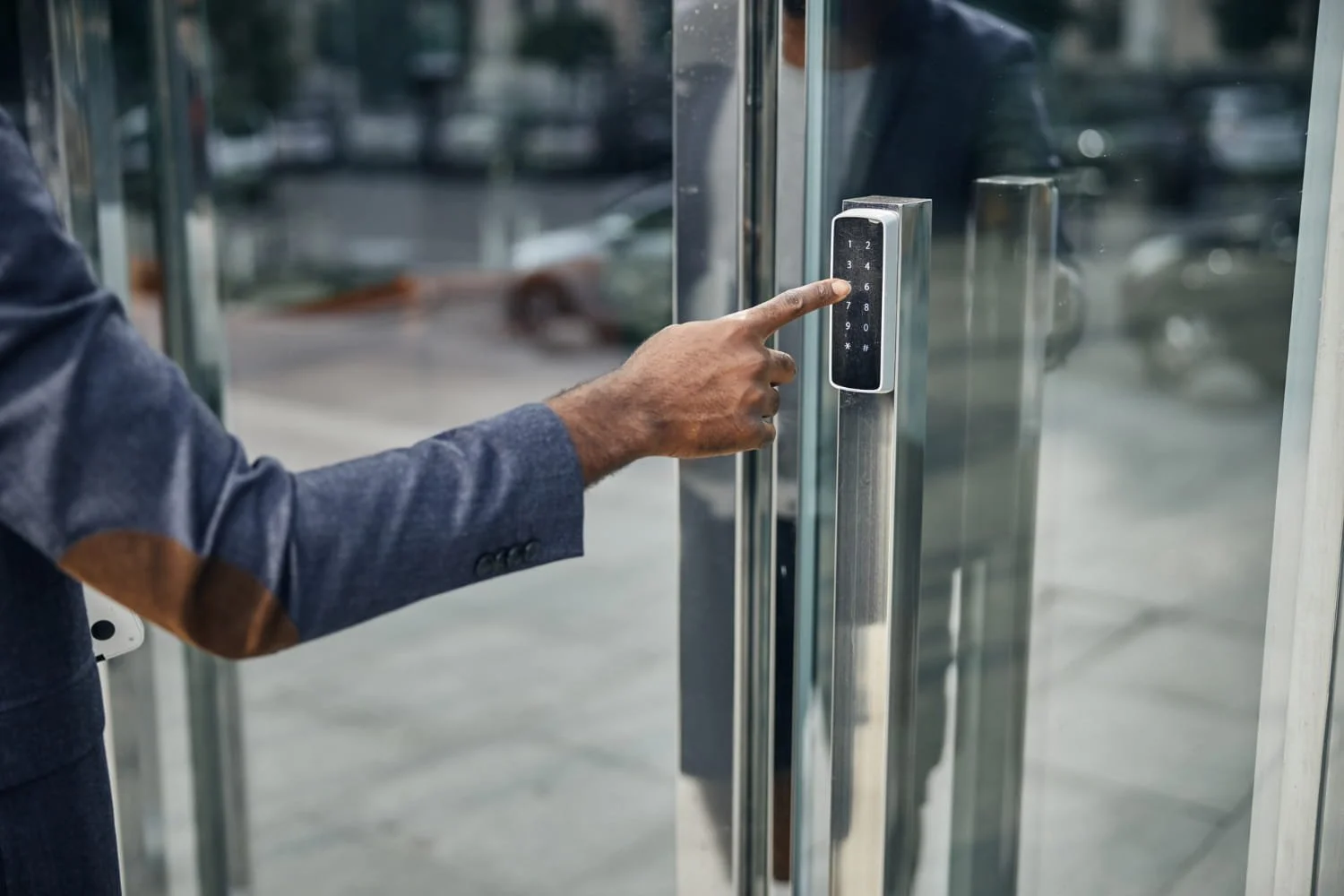
Locksets are the functional core of architectural door hardware, and getting the right type matters as much as getting the right finish. Entry locksets combine a lock and handle for exterior doors, usually paired with a deadbolt for added security. Privacy locksets, used on bedrooms and bathrooms, let a door lock from inside without a key, typically released from outside with a small pin in an emergency. Passage locksets have no locking mechanism at all and work well on doors like closets or hallways where privacy isn't a concern. Multipoint locking systems, more common on exterior or high-security doors, engage several points along the frame rather than a single latch, offering better resistance against forced entry. Specifying the right lockset for each door, room by room, is a step that's easy to skip but affects both daily function and long-term security.
What About Door Pulls, Stops and Closers?
Beyond hinges, handles and locks, several smaller pieces round out a door's full function. Door pulls get used on sliding or pocket doors where a lever or knob won't work, often flush-mounted for a clean look. Door stops protect walls and furniture from damage, and the architectural versions are designed to be discreet, mounted on the floor, wall or hinge rather than as an obvious rubber wedge. Door closers, more common in commercial or accessible buildings, control the speed and force of a door's swing, which matters most for fire-rated doors or spaces that need to stay accessible. These pieces don't get thought of like handles or hinges do, and if they're forgotten altogether, it often shows up later as scuffed walls or doors that won't close properly, so they deserve the same consideration as the rest of a home's architectural door hardware.
How Do You Choose the Right Architectural Door Hardware for Your Home?
Choosing the right architectural door hardware comes down to three questions: how will this door get used, what finish does it need to match, and how long does it need to last? Think about the practical function first. A bathroom needs a privacy lockset, a closet needs a passage set, an entry door needs both a lockset and a deadbolt. Once that's established, find a finish that feels right for the room and the rest of the house. Not only is consistency key, but finding something that is durable is just as important. Hardware with a solid construction is worth paying for on doors that get daily use, since hardware that wears out quickly ends up costing more over time than a better piece would have upfront.
If you're looking for guidance in matching finishes, mechanisms and styles across an entire home, visit us at Elegance in Hardware where we can help you choose architectural hardware that's made to last.