
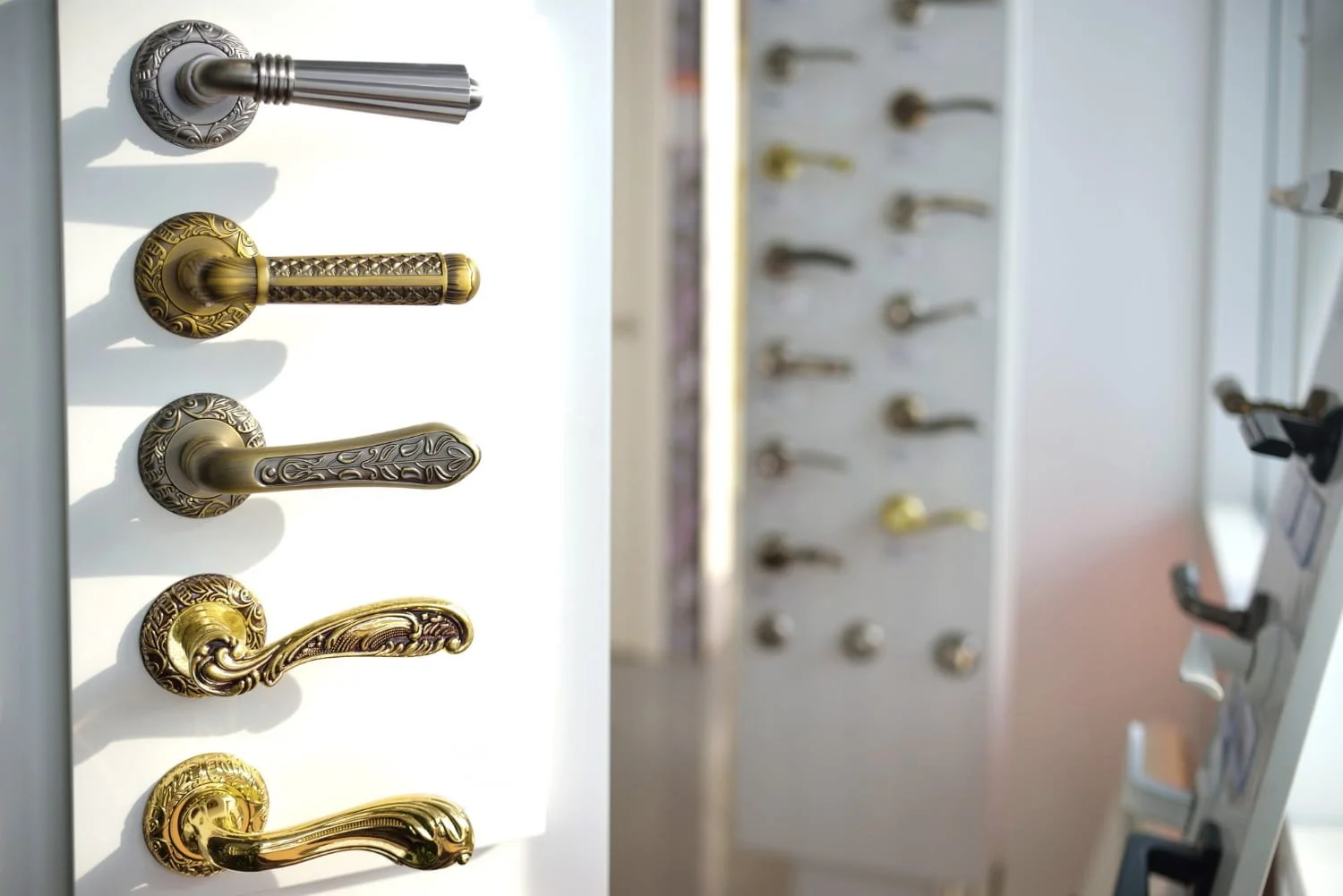
Walk into any beautifully finished home and what are you immediately noticing? Likely the bi things: the flooring, the cabinetry, the lighting and maybe the wall color. What you may not be noticing is how the smaller details like the door handles, hinges and latches are what's pulling the whole room together. These pieces get touched dozens of times a day, yet they're often the last thing anyone considers when renovating or building. Designer door hardware turns a functional necessity into a considered design choice, one that can lift an entire room without a single structural change. This guide covers what designer door hardware actually means, why it matters, and how to choose pieces suited to every room in your home.
What Is Designer Door Hardware?
Designer door hardware usually refers to handles, knobs, hinges and locks made with the same attention to craftsmanship and style as any other piece of furniture in your home. Unlike standard, mass-produced fittings, designer pieces are typically made from higher-grade materials, including solid brass, stainless steel and bronze, and finished by hand. They're designed as part of a cohesive collection, so a single handle style might appear across doors, cabinets and drawers throughout the house. When people talk about designer door hardware, they're really talking about the difference between hardware that simply works and hardware that looks intentionally integrated into the entire design of the home.
Does Door Hardware Deserve More Attention?
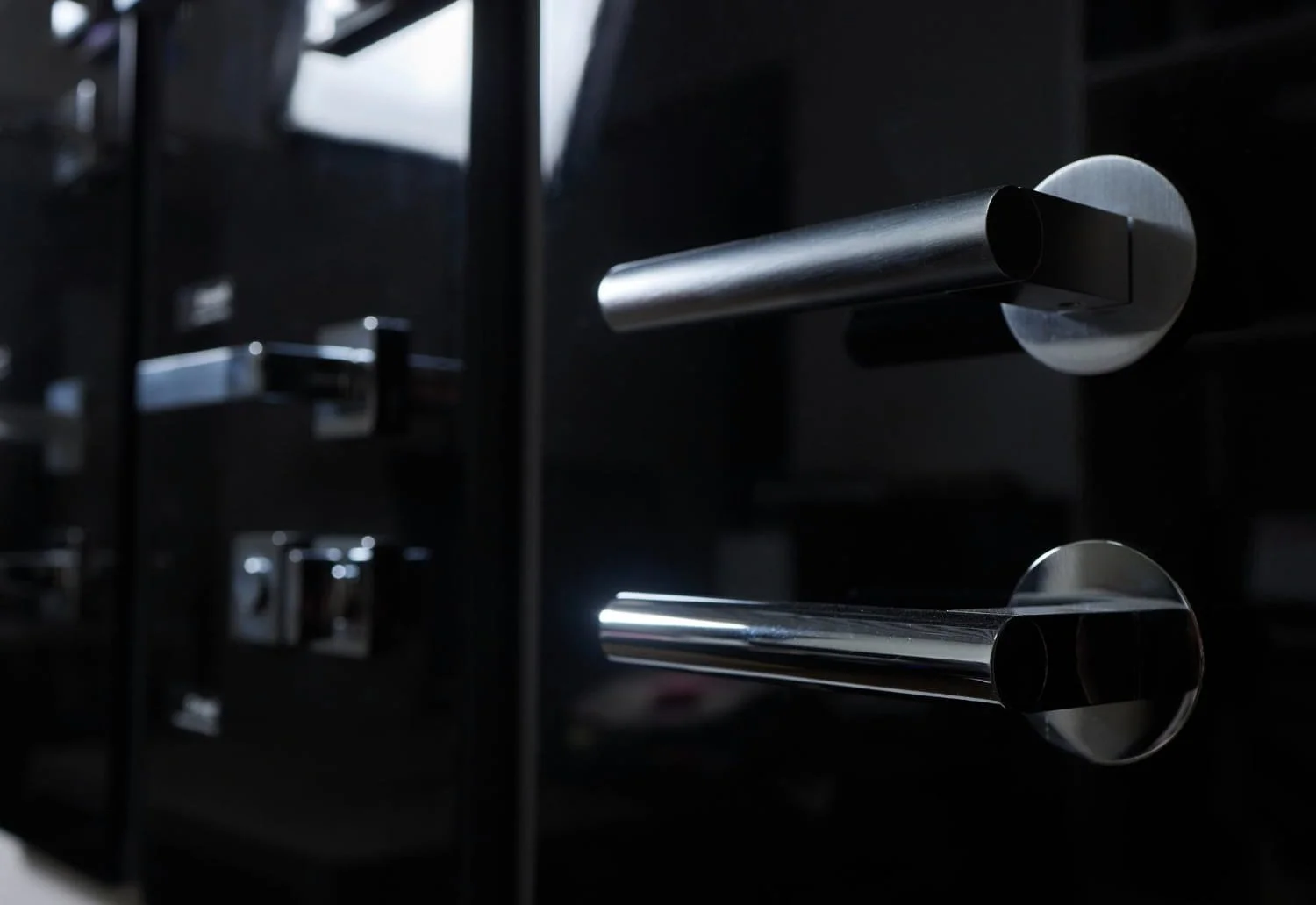
It's easy to underestimate how much door hardware affects the feel of a home. Handles and knobs are among the few design elements you interact with physically, multiple times a day, in nearly every room. A cheap, hollow handle can make a beautiful door fall flat, while a well-weighted, precisely finished handle adds an immediate sense of quality the moment you touch it. Designer door hardware is also made to last. Better materials and construction mean less wear, fewer replacements, and finishes that age well rather than flake or tarnish. Consider it one of the few renovation choices where form and function genuinely support each other.
Matching Hardware to Your Home's Style
Not all designer door hardware suits every home, and that's the point. A minimalist, modern space calls for clean lines and understated finishes, such as slim lever handles in matte black or brushed steel. A traditional or period home might call for more ornate detailing, in aged brass or bronze, with visible screws and classic profiles. Coastal or Mediterranean-style homes often lean toward warmer metals and rounded silhouettes. The goal isn't to match hardware to a trend; it's to match it to the architecture and mood you've already built. Before choosing a finish or shape, look at your existing fixtures, including taps, light fittings and cabinet pulls, and let those guide your decision. Consistency across a home's hardware creates a sense of flow from room to room.
How Do You Choose the Right Finish?
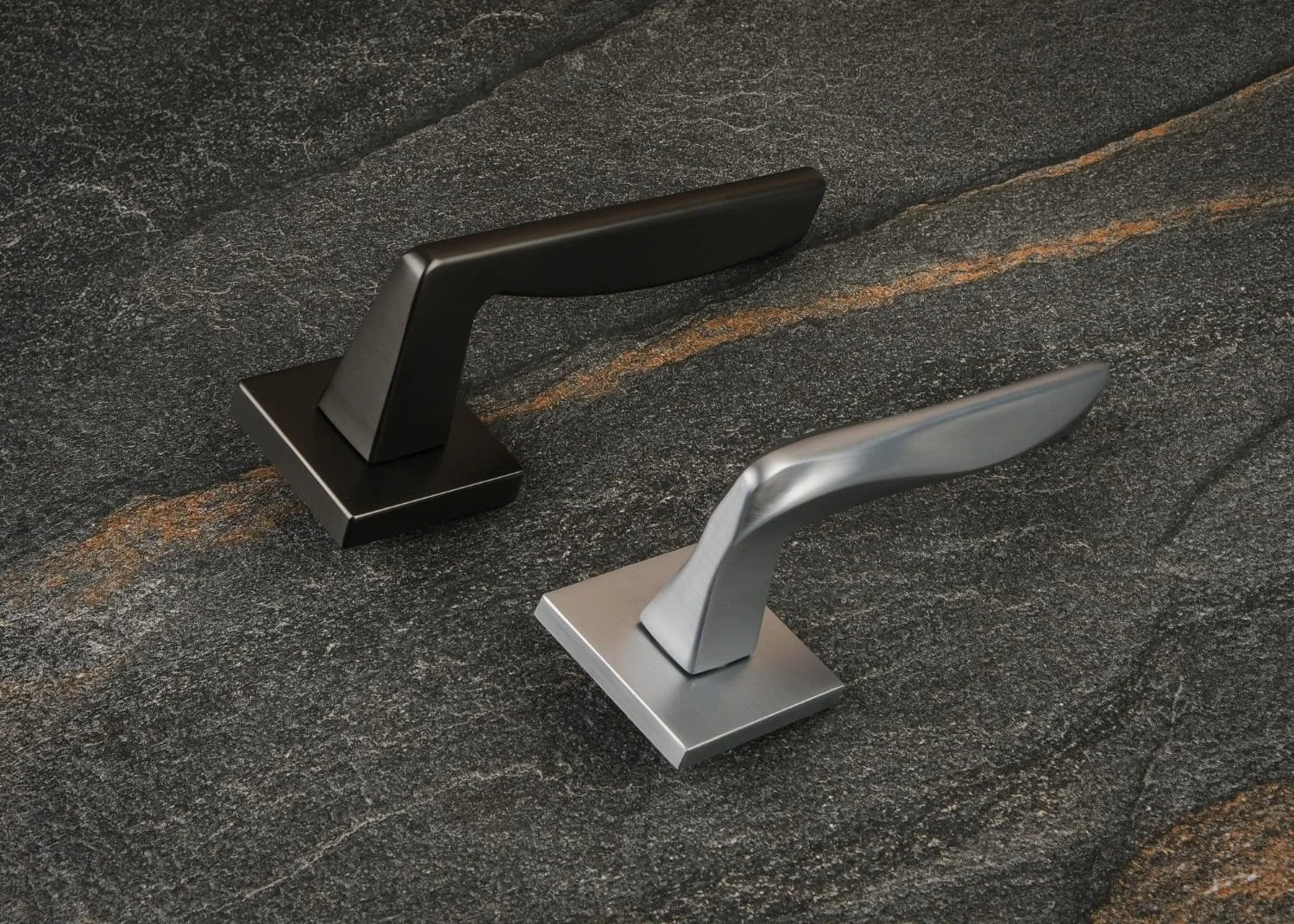
Finish is often where designer door hardware makes its biggest visual impact. Brushed brass and satin nickel remain popular for their warmth and versatility, working well in both contemporary and traditional settings. Matte black continues to be a strong choice for anyone after a bolder, more graphic look, while polished chrome suits sleek, modern interiors. Bronze and aged metals bring depth and character to older or more rustic homes. When selecting a finish, consider how it will wear over time and how much maintenance you're willing to do. Some finishes develop a beautiful patina, while others need more regular care to stay looking sharp.
Designer Door Hardware for Every Room
Different rooms call for different considerations. Entry doors benefit from substantial, secure hardware that makes a strong first impression, since this is often the first piece a guest touches. Interior doors offer more flexibility, which is where you can experiment with finish and shape without worrying as much about weatherproofing. Bathrooms and kitchens need hardware that can handle moisture and frequent use, so it's worth prioritizing quality materials in these spaces. Wardrobes and cabinetry offer a chance to bring in smaller, more delicate designs, such as slim pulls or knobs to complement the larger hardware used elsewhere in the home.
What Materials Make a Difference?
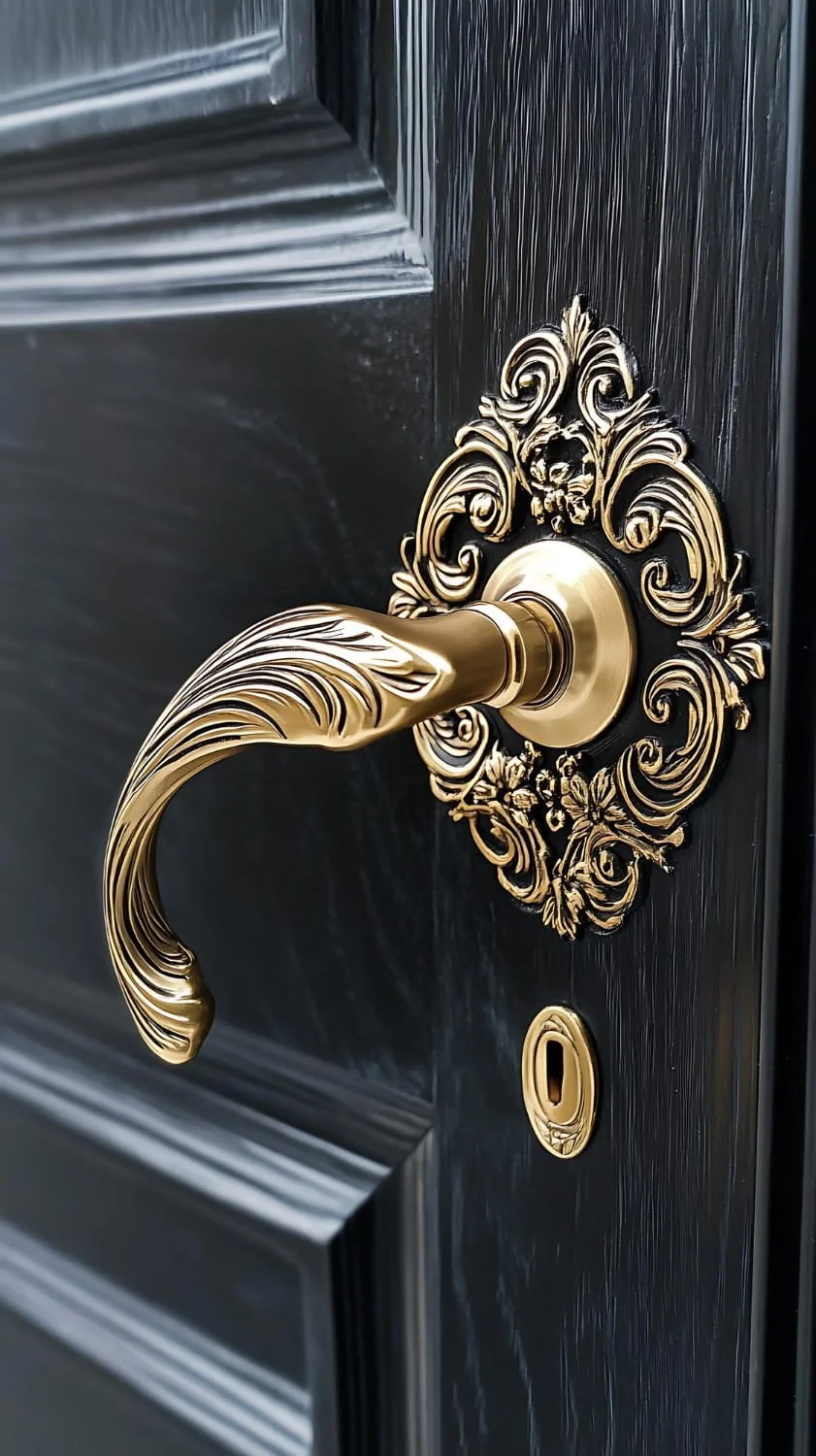
The material behind a piece of designer door hardware affects both how it looks and how long it lasts. Solid brass is a longtime favorite for its durability and the way it develops a natural patina over the years. Stainless steel offers a cleaner, more contemporary look and holds up well in frequently used or humid areas. Bronze brings warmth and a sense of history, and is often used in more traditional homes. Avoid lightweight, hollow fittings where possible. They may look similar in photos but rarely hold up the same way once they're installed, and the weight difference is noticeable the moment you use them.
Common Mistakes to Avoid
One of the most common mistakes is choosing hardware too late in the renovation process, treating it as an afterthought rather than a decision made alongside doors, cabinetry and paint colors. Mismatched finishes across a home can also create visual noise, so it's worth deciding early whether you want strict consistency or a mix. Another mistake is prioritizing appearance over function, especially for entry doors where security is the most important. Finally, don't assume all designer door hardware is too expensive. There are options at a range of price points, and the investment often pays off in durability alone.
How Do You Shop for the Right Designer Door Hardware?
Start by identifying the finishes and styles you've already got going on in your home, then work from there. Order samples where possible since finishes can look different in person than they do in photos. Think about each room's specific needs, not just its appearance. Don't be afraid to mix hardware slightly between spaces, as long as there's a common thread, whether that's finish, shape or material so it ties the choices together.
Designer door hardware might be one of the smallest details in a home, but it's rarely a small impact. Done well, it ties a space together and adds a level of quality you notice every time you turn a handle. At Elegance in Hardware, we've curated a range of designer door hardware to suit every style, from minimalist and modern to classic and ornate. Whether you're renovating one room or finishing an entire home, our team can help you find pieces that fit both your aesthetic and your budget. Explore the Elegance in Hardware collection today and discover hardware you'll be sure to notice.