
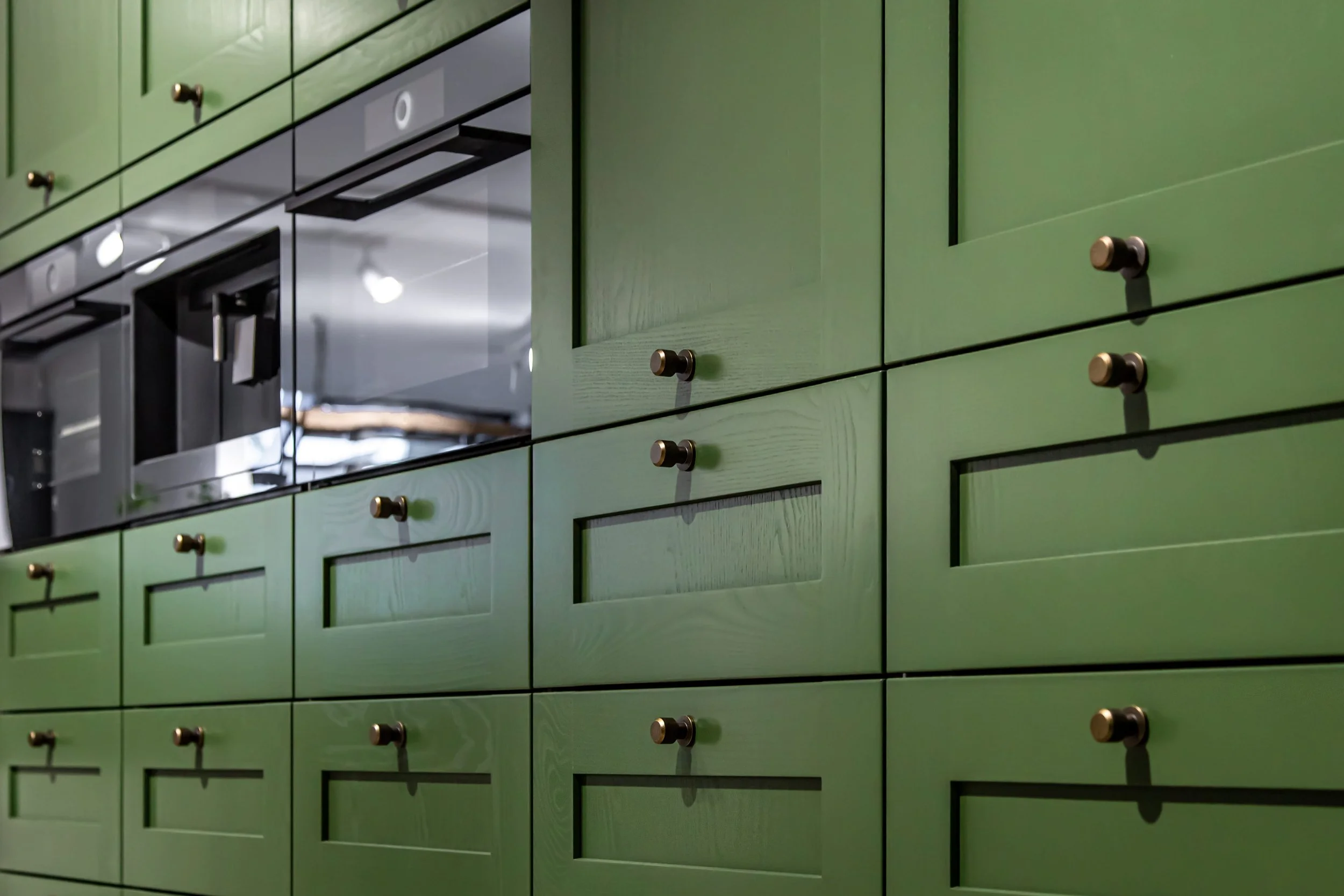
Walk into any kitchen showroom and the cabinets get all the attention, but pick up a well-made drawer pull and you will feel the difference in seconds. That small piece of hardware gets used dozens of times a day, so it can’t just look good in a photo, it has to hold up to real life. This is exactly why designer cabinet pulls have become a go-to upgrade for homeowners to make when they want any space to feel finished.
What Sets Designer Cabinet Pulls Apart from Standard Ones?
The difference usually comes down to material, casting quality, and finish work. A standard pull is often stamped from thin metal and coated with a finish that can wear unevenly within a year or two. A designer piece is typically cast in solid brass or bronze, finished by hand or in small batches, and inspected before it even reaches a showroom floor. You feel the difference immediately when you pick one up because a well-made pull has real heft and no sharp seams where it was cast.
What Styles of Cabinet Pulls Are Available?
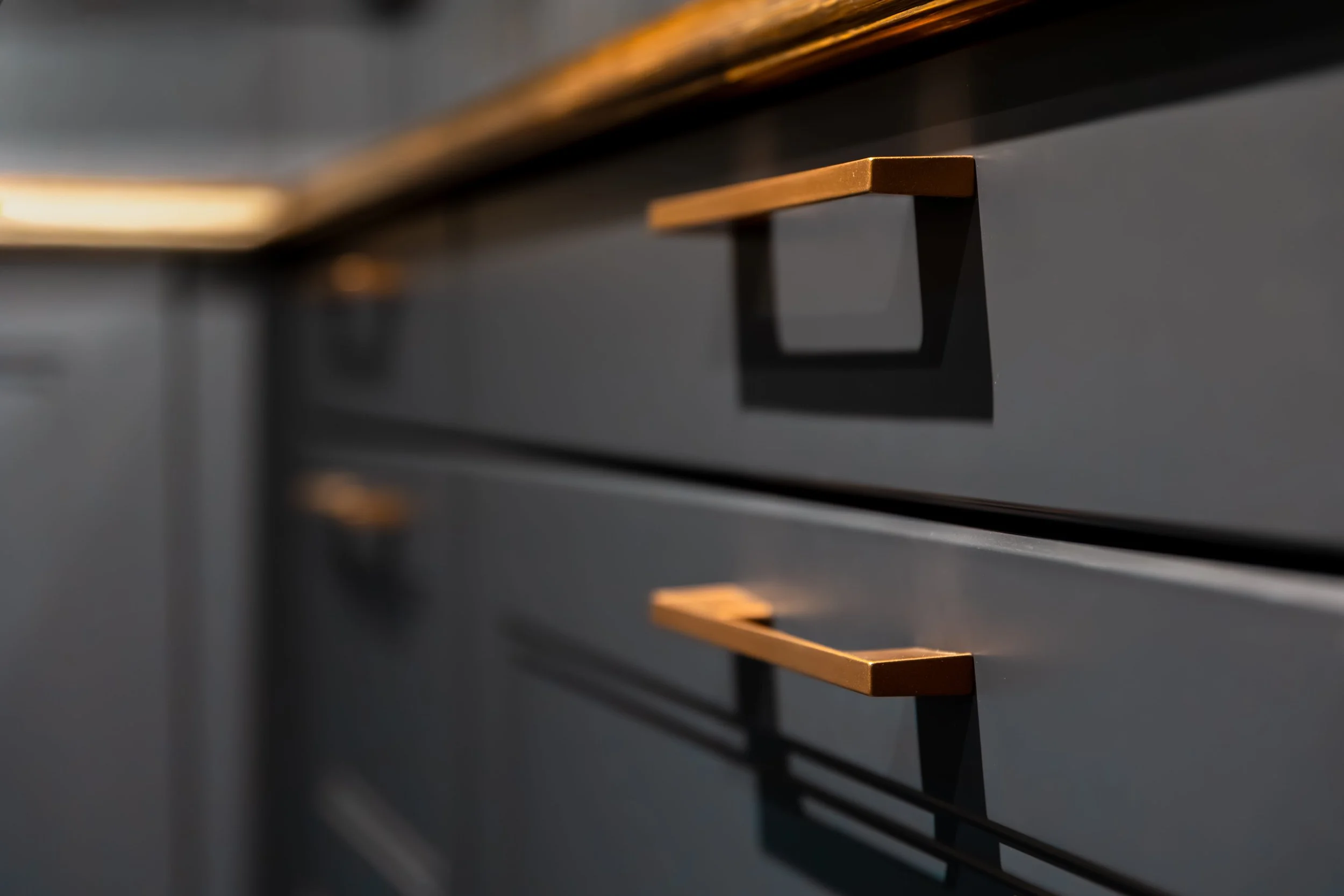
Bar pulls remain the most common choice for a clean, modern look, and they come in lengths that scale from a small drawer to a wide pantry door. Cup pulls, which hang like a small handle from two points, bring a more traditional or transitional feel and work especially well on furniture-style cabinetry. Edge pulls sit along the top edge of a door or drawer for an almost invisible, minimalist look. Specialty lines, like the jewelry-inspired pulls from PullCast, make hardware look like a genuine design statement rather than an afterthought. Mixing styles within one space has become even more common, like using bar pulls on drawers and knobs on doors, or a mix of finishes across an island versus perimeter cabinetry. There is no single correct answer other than what suits your own space and how the cabinetry is built.
How Do You Get the Sizing Right?
The measurement that matters most is center-to-center distance, meaning the space between the two mounting screw holes. Getting it exact keeps you from drilling extra, visible holes into your cabinet. A widely used rule of thumb is to choose a pull that is roughly one-third the width of the drawer or door it is going on, with longer pulls suited to wider pieces to keep the proportions balanced. It helps to measure twice, mark with a level and pencil, and use a manufacturer template before any drilling happens, since misaligned holes are very hard to hide once they exist. Projection, meaning how far a pull extends off the surface, is just as important because a piece that sticks out too far can catch on clothing or bump into an adjacent appliance handle every time a drawer opens. Many showrooms will let you borrow or purchase a single sample piece to test against your actual cabinets before committing to enough hardware for a full kitchen, which is a smart step on any order beyond a drawer or two.

Which Finish Should You Choose?
Finish is where designer cabinet pulls separate themselves from the basics. Unlacquered brass develops a living patina that changes with handling and time, which some homeowners love for the warmth it brings to a space. Others prefer a consistent, protected finish that looks the same on day one and year ten. Whichever direction you choose, try to match or intentionally contrast it with your faucet and lighting fixtures, since mismatched metals are one of the fastest ways to make a finished kitchen feel sloppy and thoughtless. Warm tones, like brass, bronze, and gold, tend to pair well with wood cabinetry and warmer countertop colors, while cooler finishes, like nickel, chrome, or black, tend to suit contemporary rooms with cooler stone or painted surfaces. Bringing a cabinet door sample or a paint chip with you to a showroom makes this comparison far easier than trying to picture it from memory at home.
Do More Expensive Pulls Actually Last Longer?
In most cases, yes. Solid brass and bronze hold up to years of daily use in a way that plated pieces often cannot, especially in a kitchen where hands are frequently wet, greasy, or gripping the same six pulls multiple times a day. A plated finish can thin and discolor at the edges within a few years, while solid metal hardware tends to age gracefully instead of looking worn out. Having durability is a real part of what you are paying for, not just the look. Over a decade of ownership, a homeowner who buys once and buys well often ends up spending less than one who replaces cheaper hardware every few years as it corrodes, loosens, or simply stops looking new.
Where Can You Shop Designer Cabinet Pulls in Person?
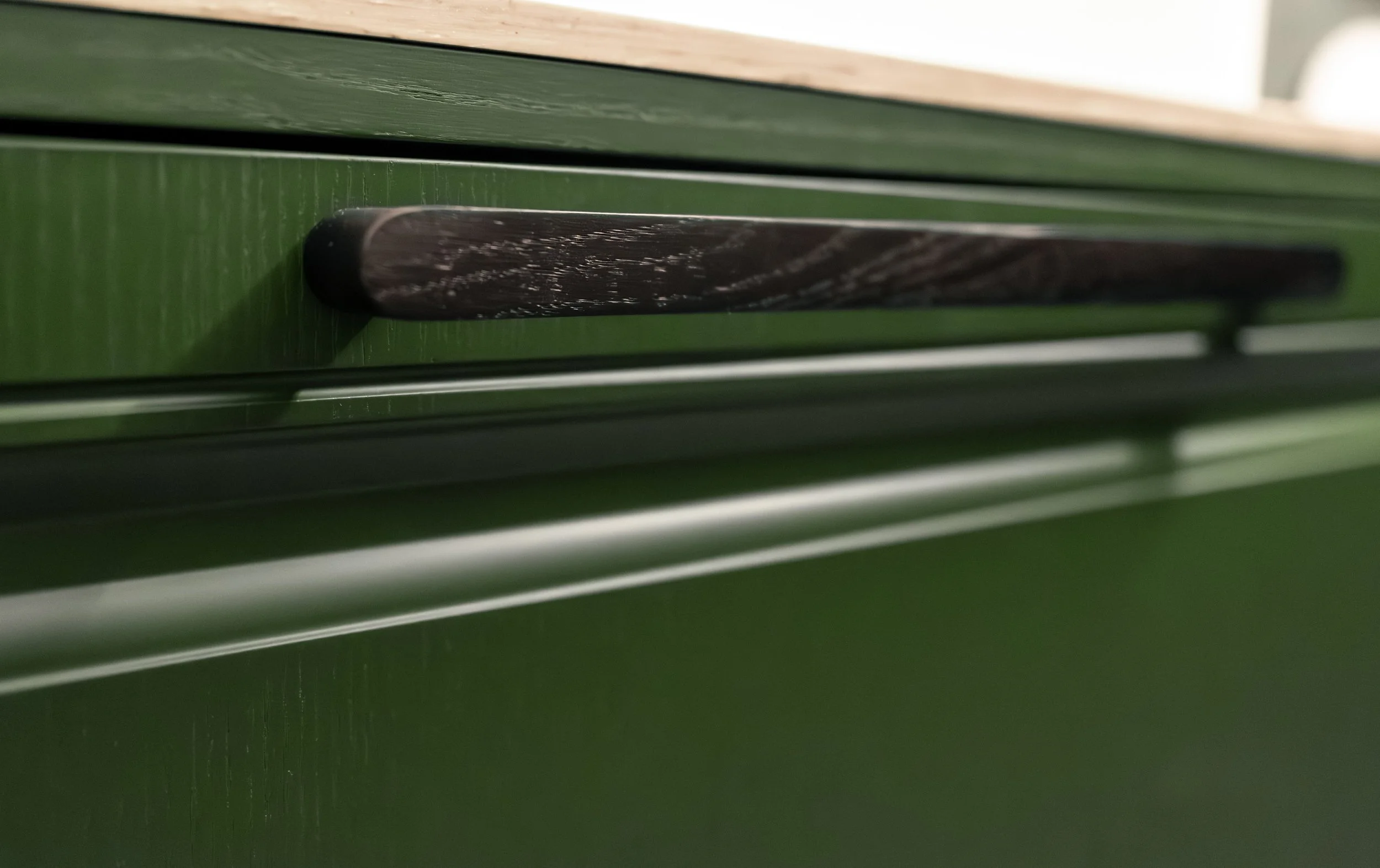
Our showroom, Elegance in Hardware, carries a range of manufacturers worth comparing side by side, including Baldwin Hardware, Water Street Brass, Colonial Bronze, Linnea, Keeler, and Emtek, alongside specialty lines like PullCast, Hamilton, and Field Enterprise. Seeing pulls from several makers next to each other, rather than choosing from a single online catalog, makes it far easier to notice differences in weight, finish consistency, and overall craftsmanship before you commit to an order for an entire kitchen. Staff who work with these lines every day can even flag which finishes tend to resist daily wear best, a detail that rarely comes through in a product photo but matters a great deal five years into owning a home.
Visit our showroom to hold real samples, compare finishes, and find pulls built to last in your kitchen or bath for years to come.