
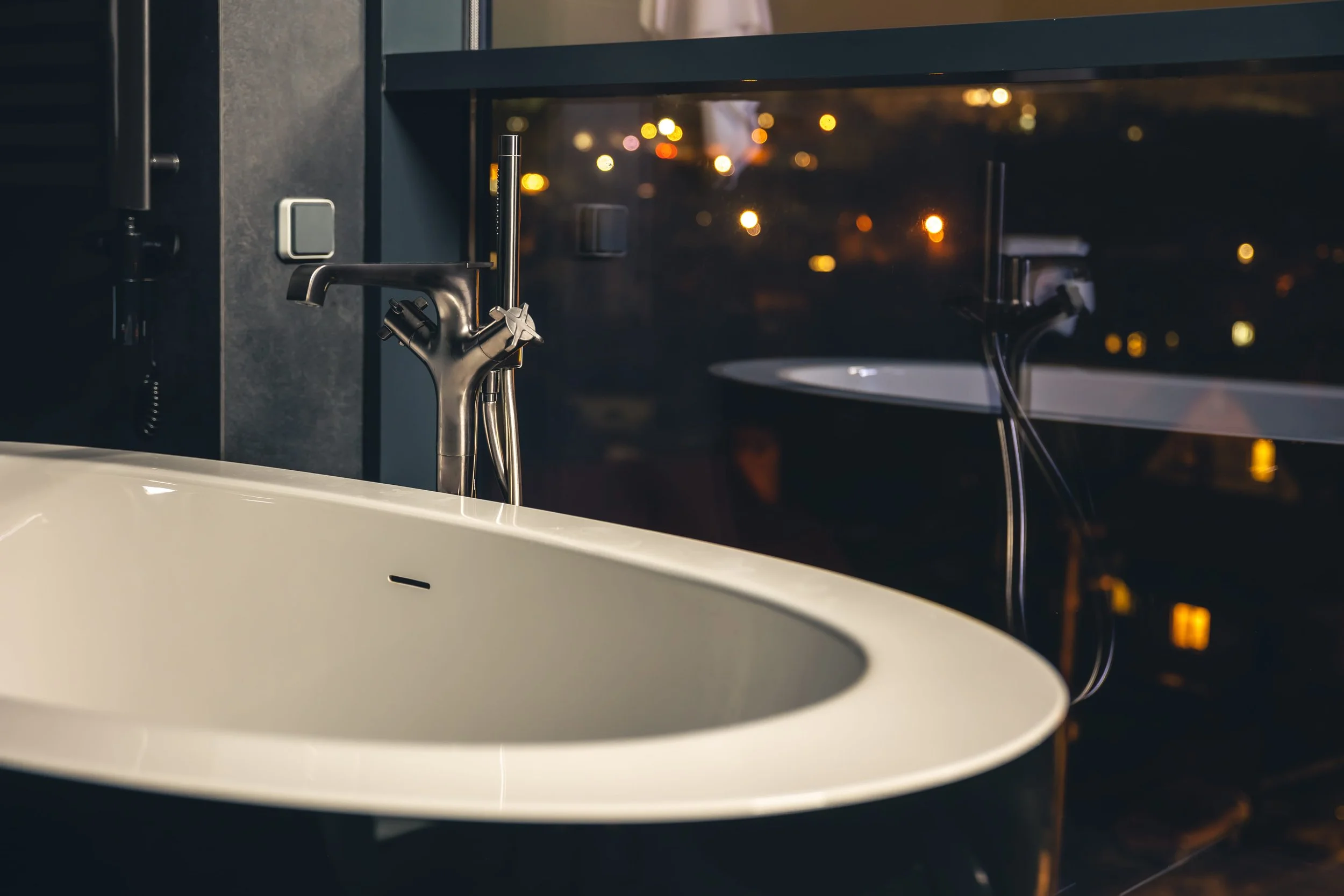
All bathroom renovations eventually arrive at the same decision point. You're standing in a showroom, staring at two nearly identical faucets, one twice the price of the other, wondering if the extra cost buys you anything beyond a nicer box.
Luxury bathroom faucets aren't just a standard fixture with a designer name stamped on it. The differences show up in the materials, the engineering, and how the faucet performs a decade from now. Here's what actually separates the two, so you can decide with your eyes open before your next renovation.
What Makes a Faucet "Luxury" in the First Place?
The word gets thrown around loosely, but with luxury bathroom faucets, it usually comes down to three things: material, finish, and engineering. Most premium faucets are cast from solid brass, a metal that resists corrosion and holds its shape under constant use for decades. Budget faucets often rely on zinc alloy, which is lighter, cheaper, and more prone to cracking or pitting over time. When it comes to the finish, high-end manufacturers use a process called physical vapor deposition, or PVD, which bonds color to the metal at a molecular level instead of simply plating over it, so it wears the same way years later as it did on day one. Inside the faucet, a ceramic disc valve controls water flow with a precision that rubber washers can't match, and that valve is often the single biggest reason one faucet outlasts another by years, not just months.
How Do Luxury Bathroom Faucets Differ From Budget Options?
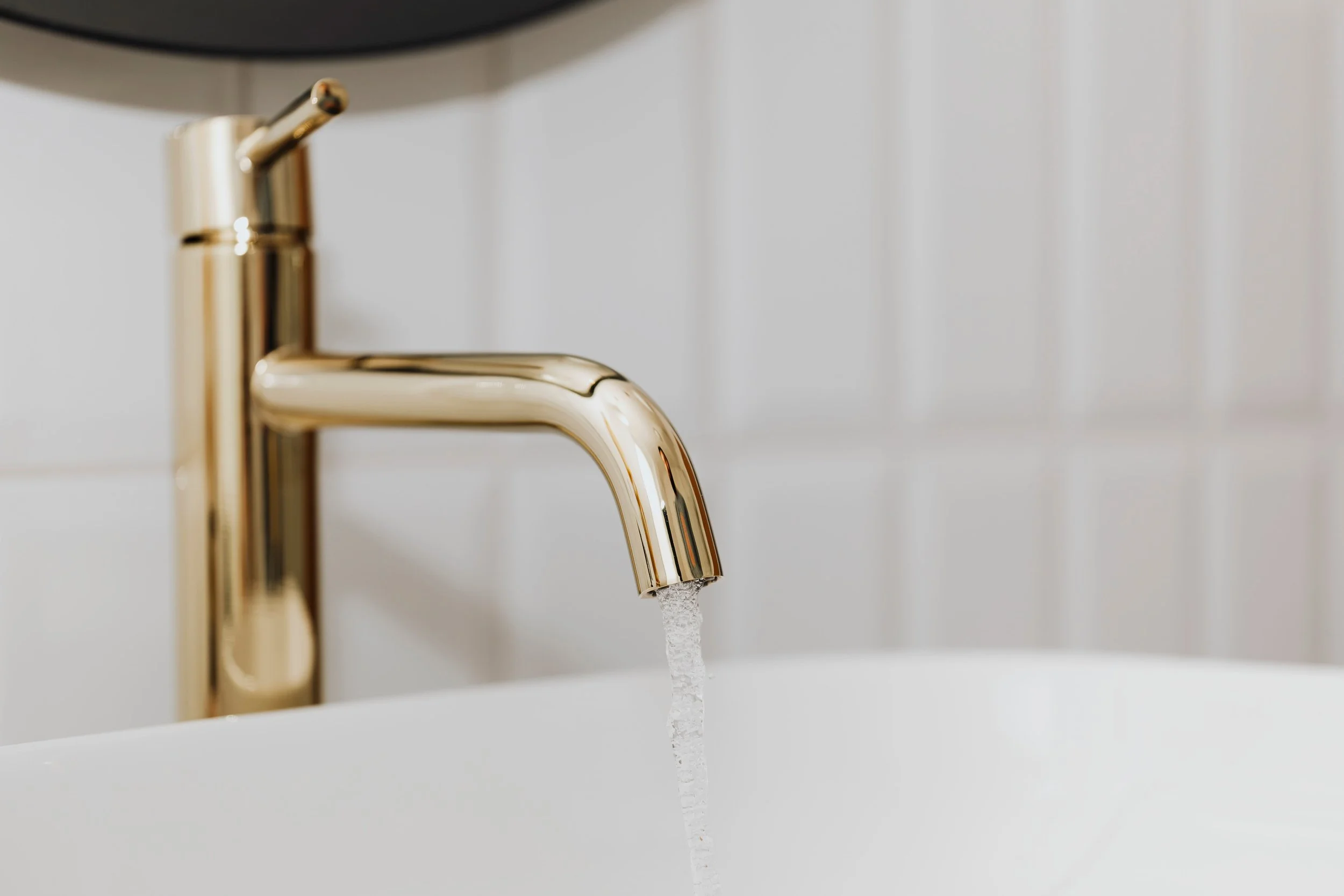
Pick up a premium faucet and a budget one side by side, and you'll immediately notice a difference in weight alone. Solid brass is hefty, while zinc alloy feels more on the hollow side. The weight isn't just about how it feels but it actually affects how the faucet handles daily wear, how smoothly the handle turns after five years, and whether the finish holds up against hard water, soap residue, and everyday cleaning products. Budget faucets tend to show their age fast, with plating that flakes, dulls, or spots within a year or two of regular use. Luxury faucets are also backed by longer warranties, sometimes lifetime coverage on the finish itself, because manufacturers trust the materials to actually last that long, and they're willing to stand behind that claim in writing.
Are Luxury Bathroom Faucets Worth the Extra Cost?
This is the question everyone really wants answered, and the honest response may depend on how long you plan to stay in the house. If you're flipping a property within a year, a mid-range faucet might make more financial sense for your budget. But for a primary residence, luxury bathroom faucets tend to pay for themselves in the long run. A $400 faucet that lasts 20 years costs less annually than a $120 faucet you replace three times over that same period, and that doesn't even include the labor cost of swapping fixtures out each time or the hassle of scheduling a plumber. There's also the resale angle to consider. Buyers and appraisers notice quality hardware, and it's one of those small, tactile details that signals a well-maintained, thoughtfully finished home to anyone touring it.
What Should You Look for When Comparing Faucets?
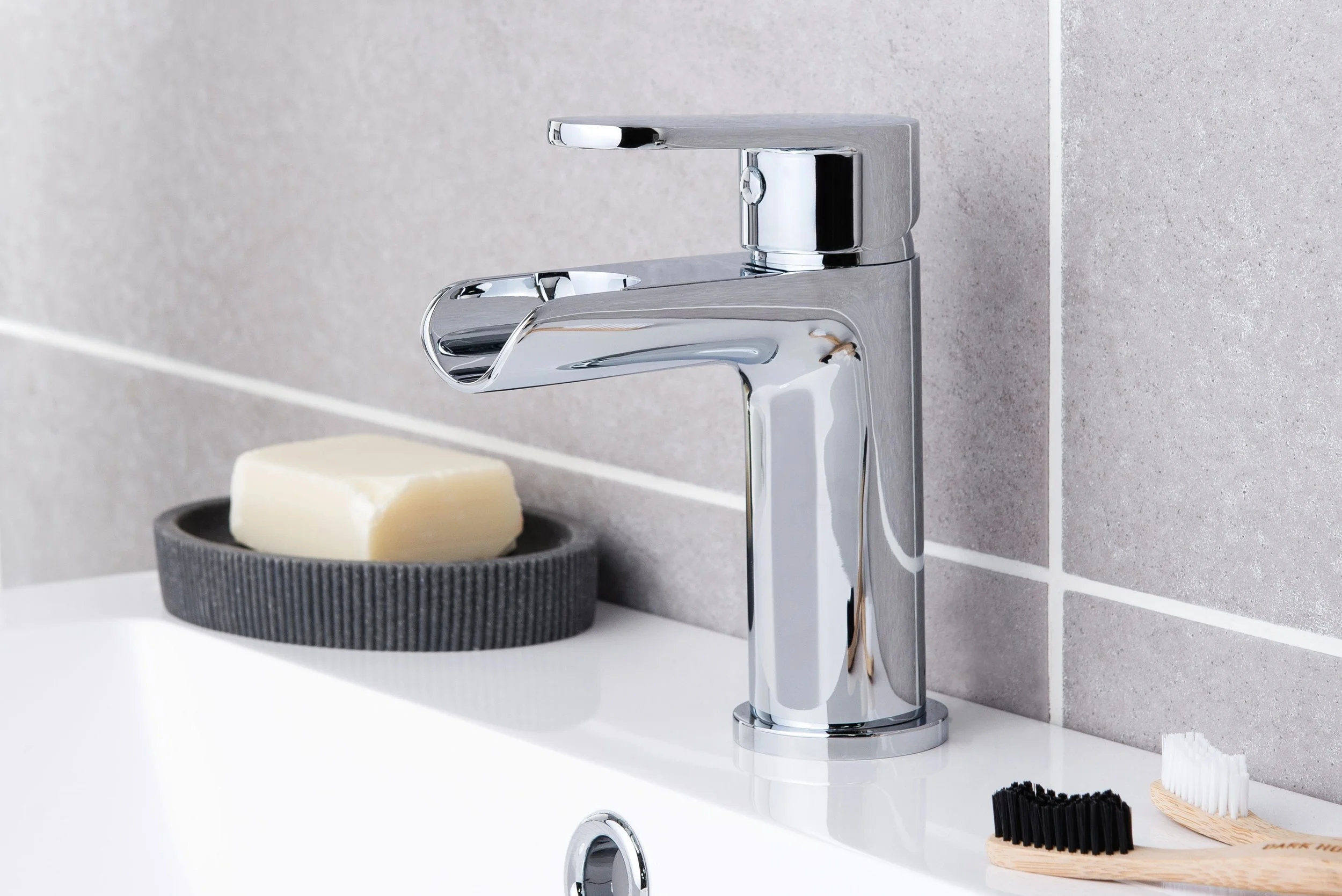
Start with the valve, since it drives most of the long-term performance. Ceramic disc valves are the standard for luxury bathroom faucets and are typically rated for hundreds of thousands of cycles without leaking or dripping. Check the material next, brass content should be listed on the spec sheet, and anything under 50 percent brass is closer to budget territory regardless of the price tag on the box. Look at the finish process as well, since PVD and powder-coated finishes hold up far better over time than basic chrome plating alone. Finally, read the warranty carefully. A lifetime finish warranty tells you the manufacturer expects the faucet to still be in your bathroom decades from now, not just a few years down the road.
How Long Do Luxury Bathroom Faucets Actually Last?
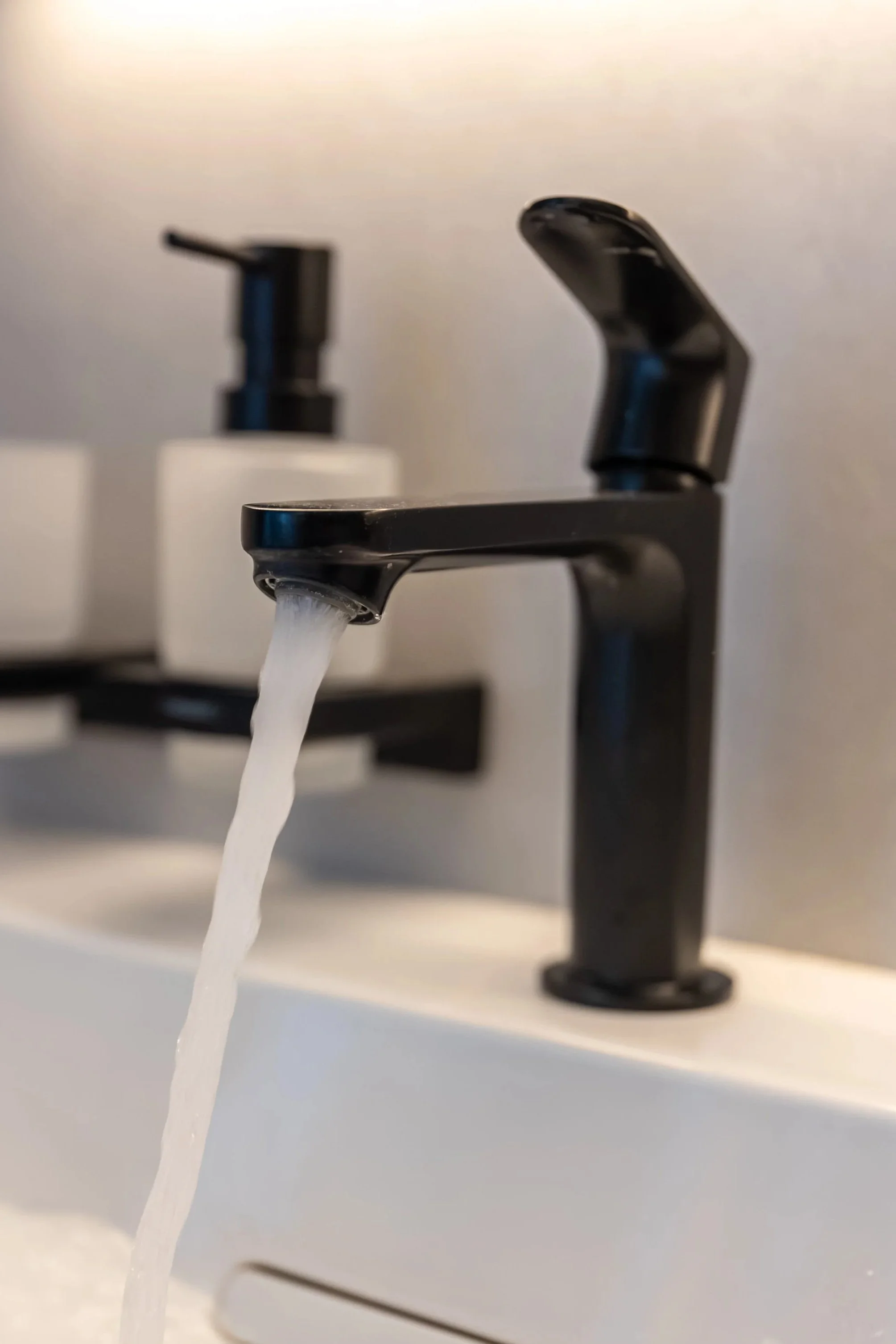
With reasonable care, a well-made faucet can last 15 to 20 years, and sometimes considerably longer. Budget faucets, by contrast, often need replacing within five to seven years as internal parts wear down and finishes deteriorate faster than expected. The gap comes down to that ceramic disc valve again, along with the quality of the brass underneath the finish and how carefully the piece was assembled in the first place. When you compare the two categories on a cost-per-year basis rather than just the sticker price, the numbers tend to favor the upgrade more often than most homeowners initially expect, especially once a replacement or two is factored in.
Where Can You See Luxury Bathroom Faucets in Person Before Buying?
Photos and spec sheets only tell part of the story. The weight of a handle, the resistance when you turn it, the way a finish catches light in a real room, these are things you notice in person, not on a screen. A showroom lets you test the mechanism, compare finishes side by side under real lighting, and ask detailed questions about installation before you commit to a fixture that's meant to last for decades in daily use. It's a small amount of time upfront for a decision you'll live with every morning.
If you're weighing luxury bathroom faucets against budget options for an upcoming renovation, Elegance in Hardware can help you see the difference firsthand. Our Upper East Side showroom carries trusted names like Fantini, Samuel Heath, and Robern, and our team brings decades of combined experience in hardware and plumbing to every project we take on. Visit our showroom or contact us today to find the right faucet for your bathroom.