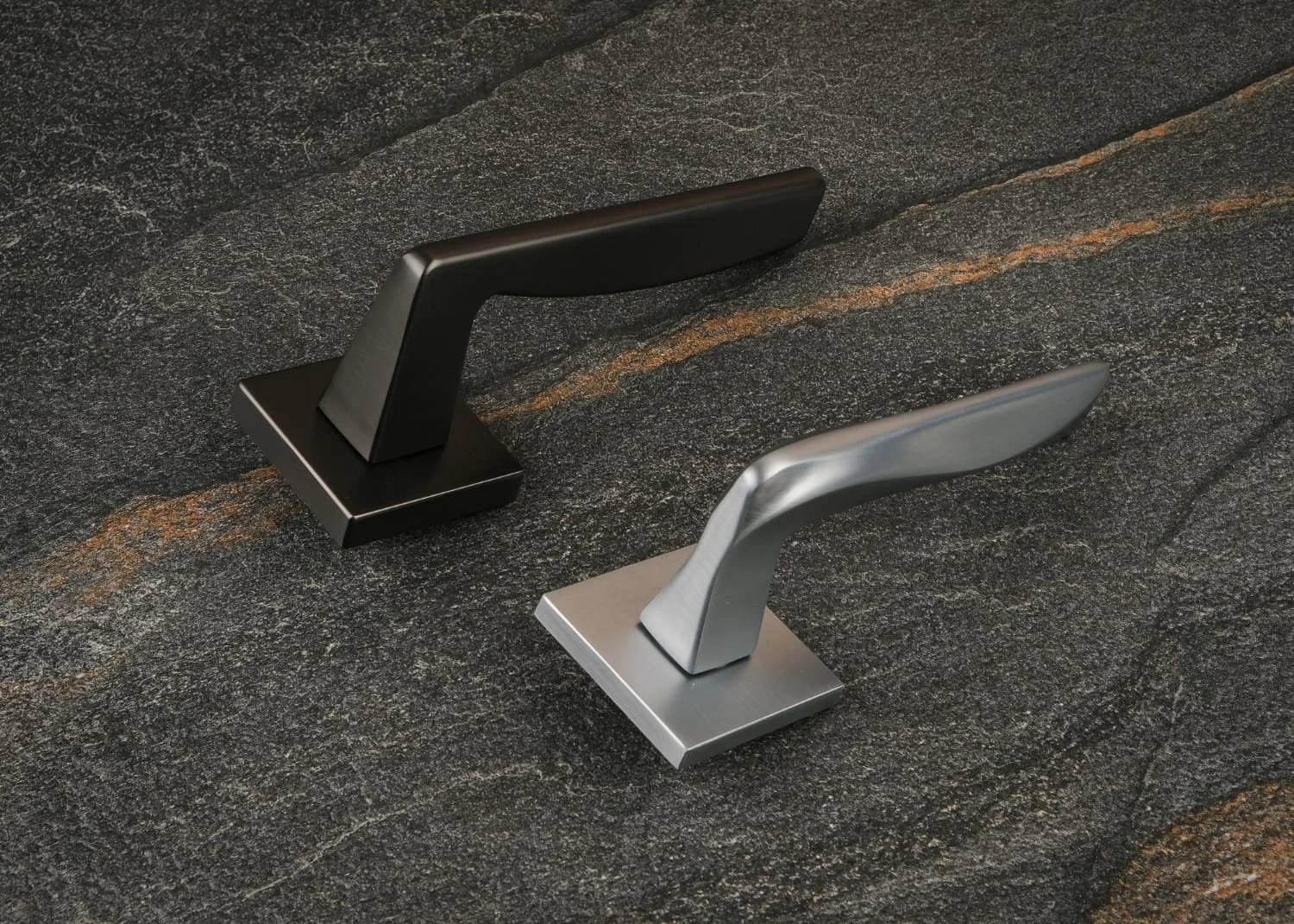
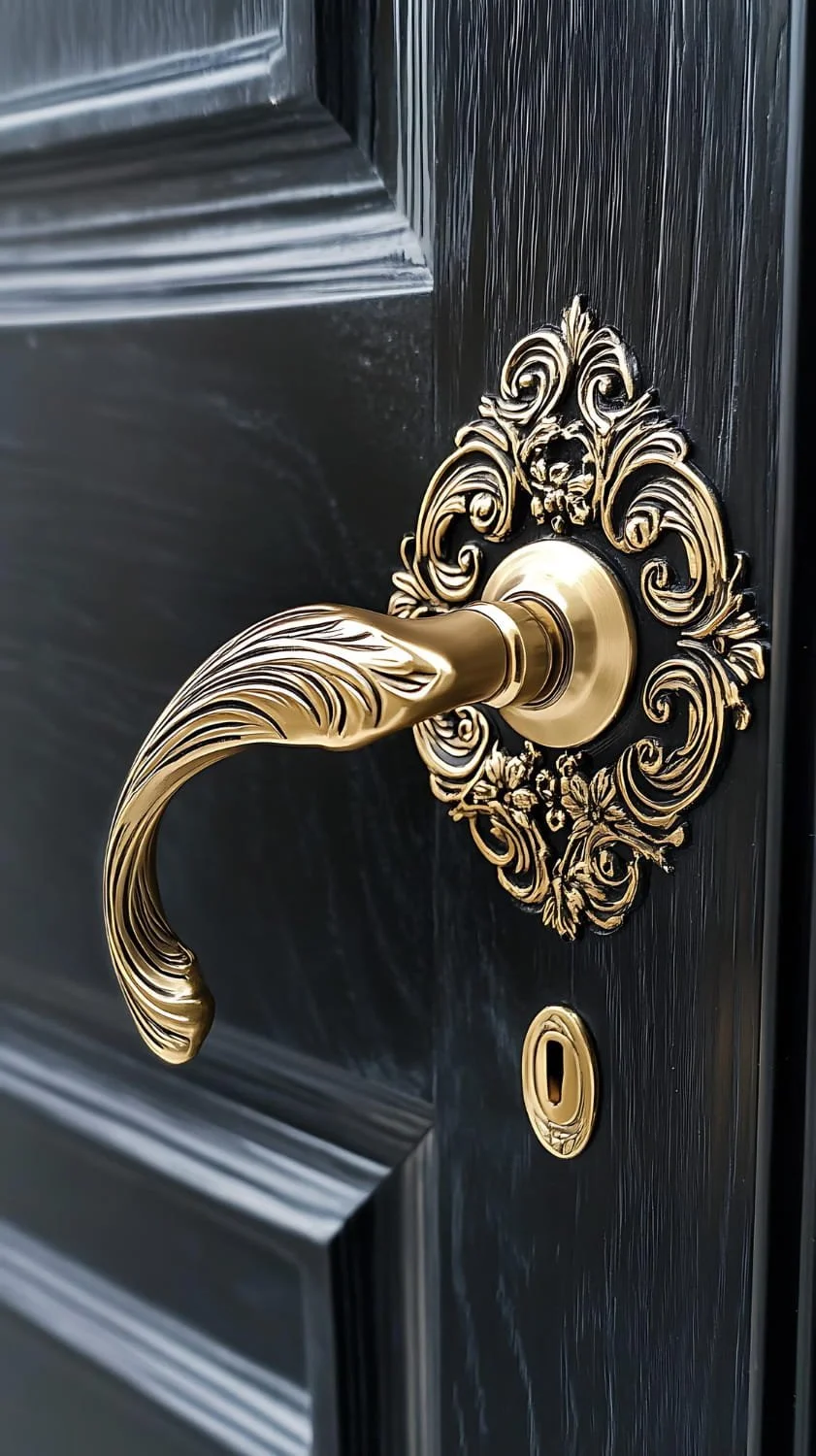
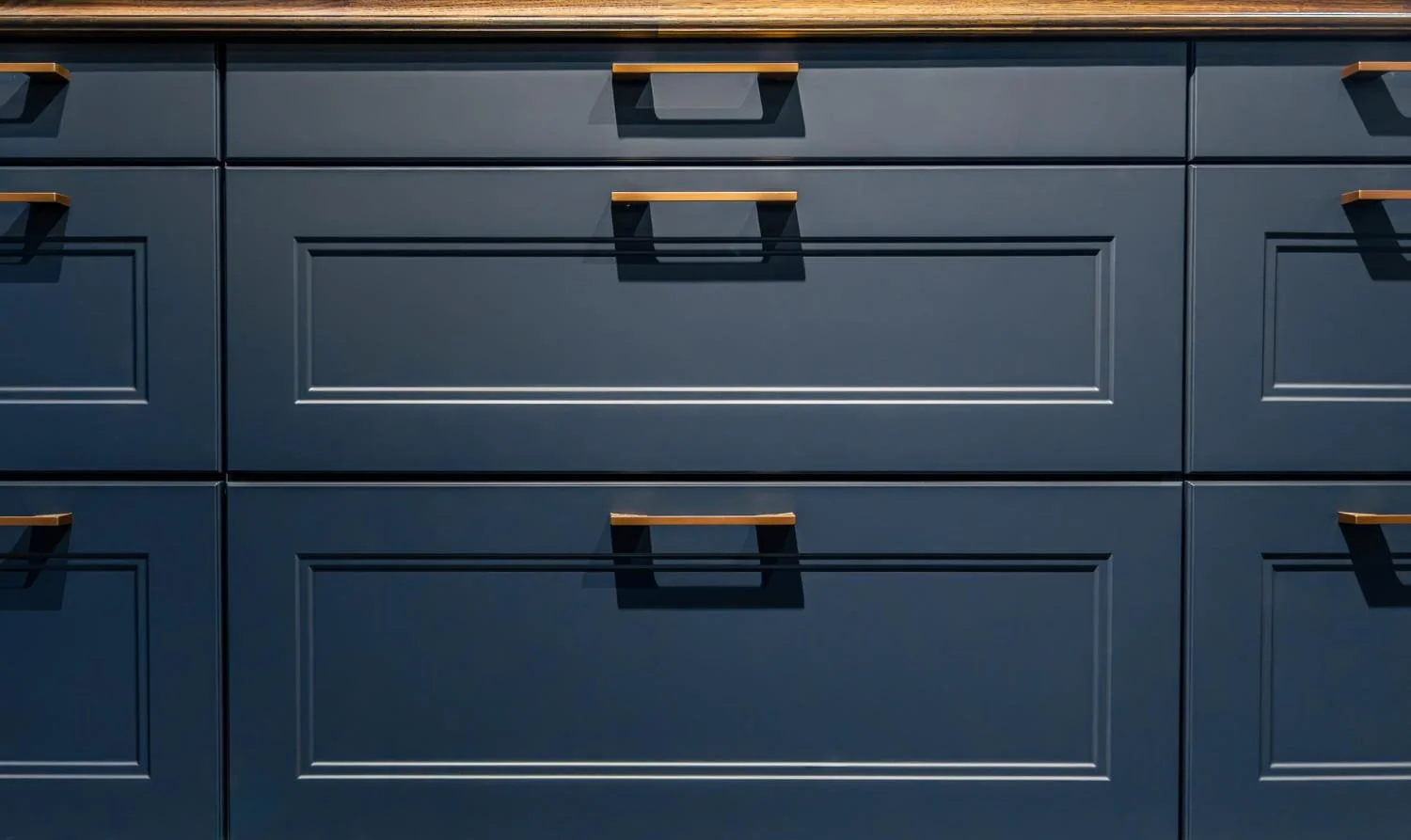
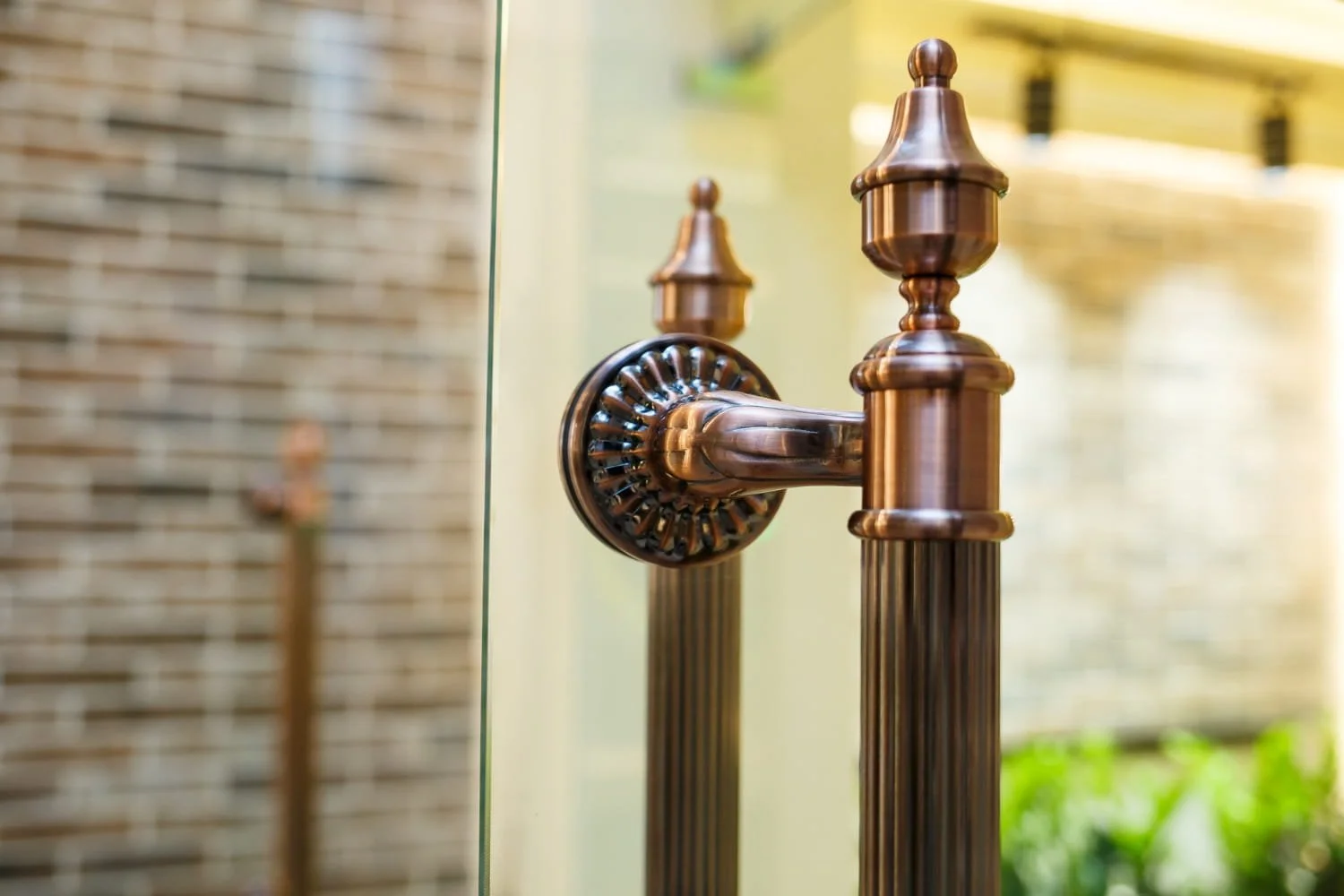
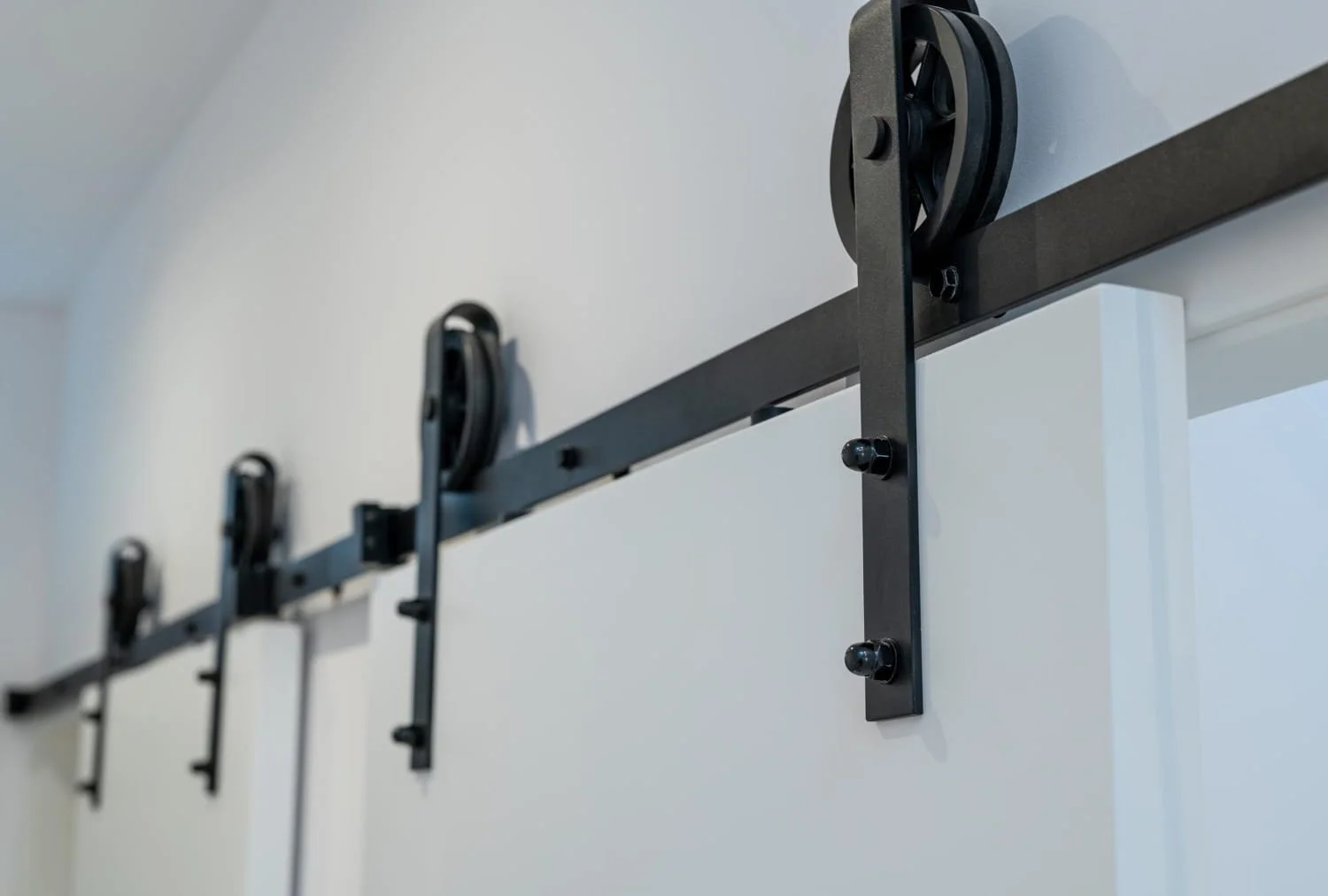
How Do You Choose Designer Cabinet Pulls You Will Still Love in Ten Years?

Walk into any kitchen showroom and the cabinets get all the attention, but pick up a well-made drawer pull and you will feel the difference in seconds. That small piece of hardware gets used dozens of times a day, so it can’t just look good in a photo, it has to hold up to real life. This is exactly why designer cabinet pulls have become a go-to upgrade for homeowners to make when they want any space to feel finished.

What Sets Designer Cabinet Pulls Apart from Standard Ones?

The difference usually comes down to material, casting quality, and finish work. A standard pull is often stamped from thin metal and coated with a finish that can wear unevenly within a year or two. A designer piece is typically cast in solid brass or bronze, finished by hand or in small batches, and inspected before it even reaches a showroom floor. You feel the difference immediately when you pick one up because a well-made pull has real heft and no sharp seams where it was cast.
What Styles of Cabinet Pulls Are Available?

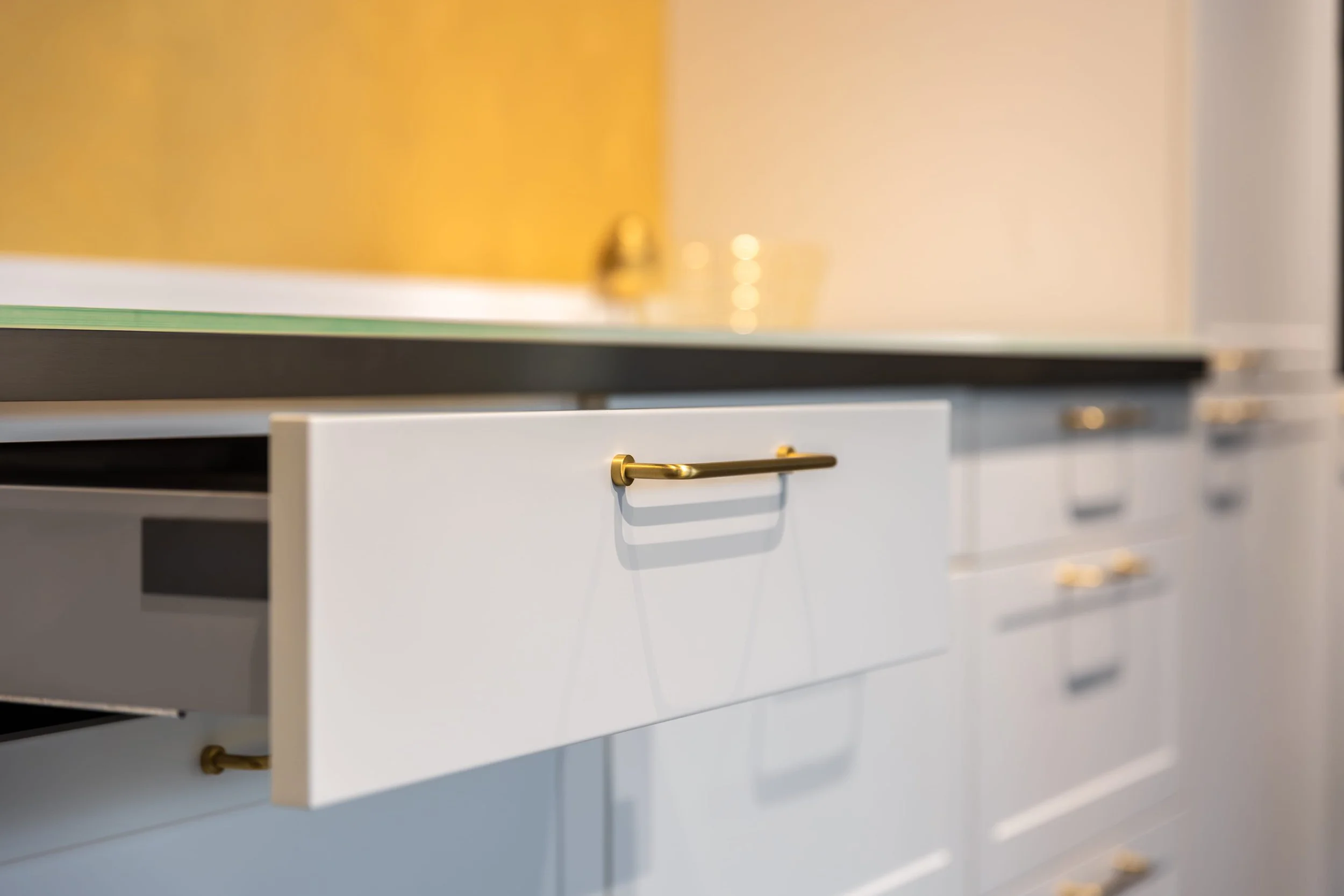
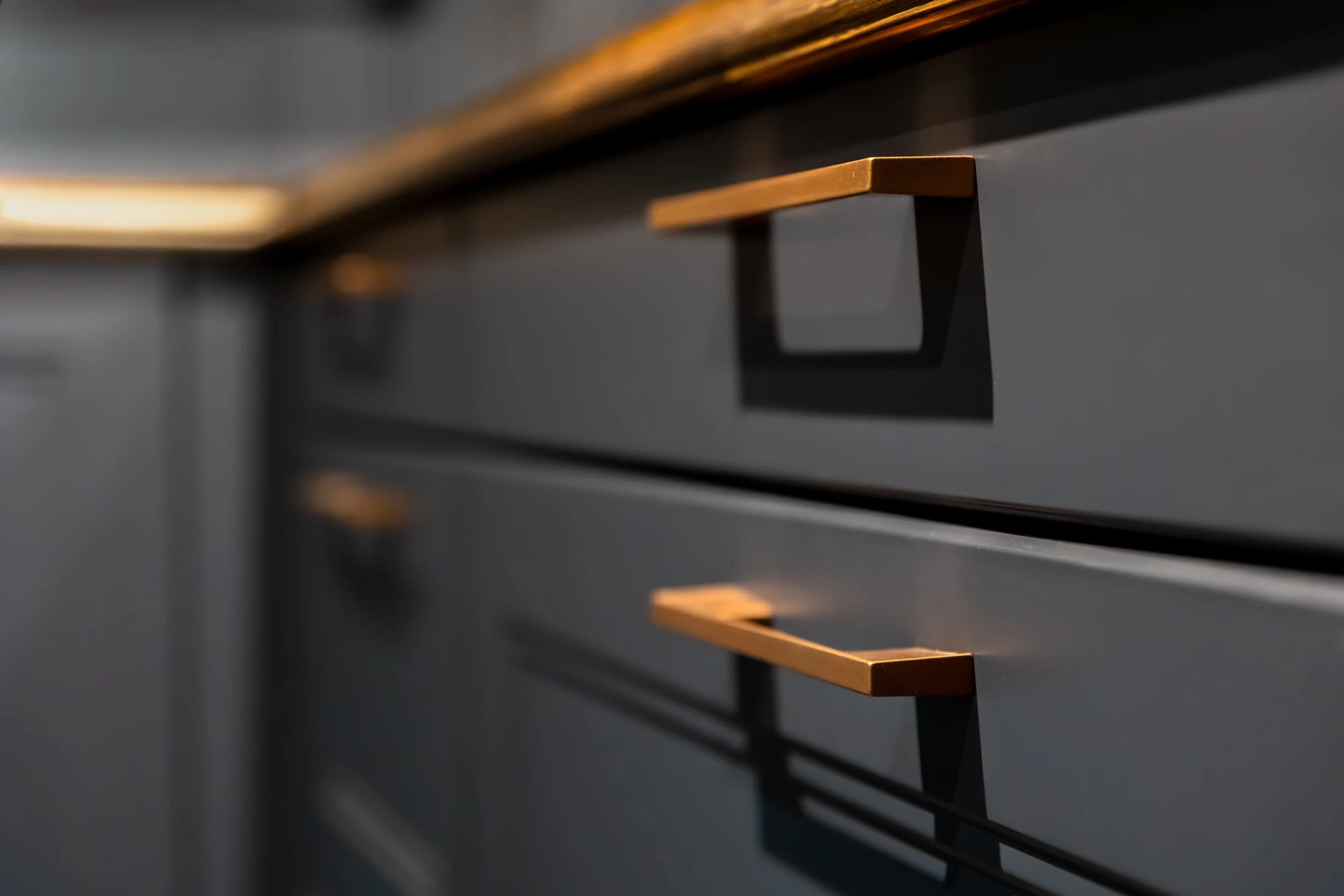
Bar pulls remain the most common choice for a clean, modern look, and they come in lengths that scale from a small drawer to a wide pantry door. Cup pulls, which hang like a small handle from two points, bring a more traditional or transitional feel and work especially well on furniture-style cabinetry. Edge pulls sit along the top edge of a door or drawer for an almost invisible, minimalist look. Specialty lines, like the jewelry-inspired pulls from PullCast, make hardware look like a genuine design statement rather than an afterthought. Mixing styles within one space has become even more common, like using bar pulls on drawers and knobs on doors, or a mix of finishes across an island versus perimeter cabinetry. There is no single correct answer other than what suits your own space and how the cabinetry is built.

How Do You Get the Sizing Right?

The measurement that matters most is center-to-center distance, meaning the space between the two mounting screw holes. Getting it exact keeps you from drilling extra, visible holes into your cabinet. A widely used rule of thumb is to choose a pull that is roughly one-third the width of the drawer or door it is going on, with longer pulls suited to wider pieces to keep the proportions balanced. It helps to measure twice, mark with a level and pencil, and use a manufacturer template before any drilling happens, since misaligned holes are very hard to hide once they exist. Projection, meaning how far a pull extends off the surface, is just as important because a piece that sticks out too far can catch on clothing or bump into an adjacent appliance handle every time a drawer opens. Many showrooms will let you borrow or purchase a single sample piece to test against your actual cabinets before committing to enough hardware for a full kitchen, which is a smart step on any order beyond a drawer or two.
Which Finish Should You Choose?

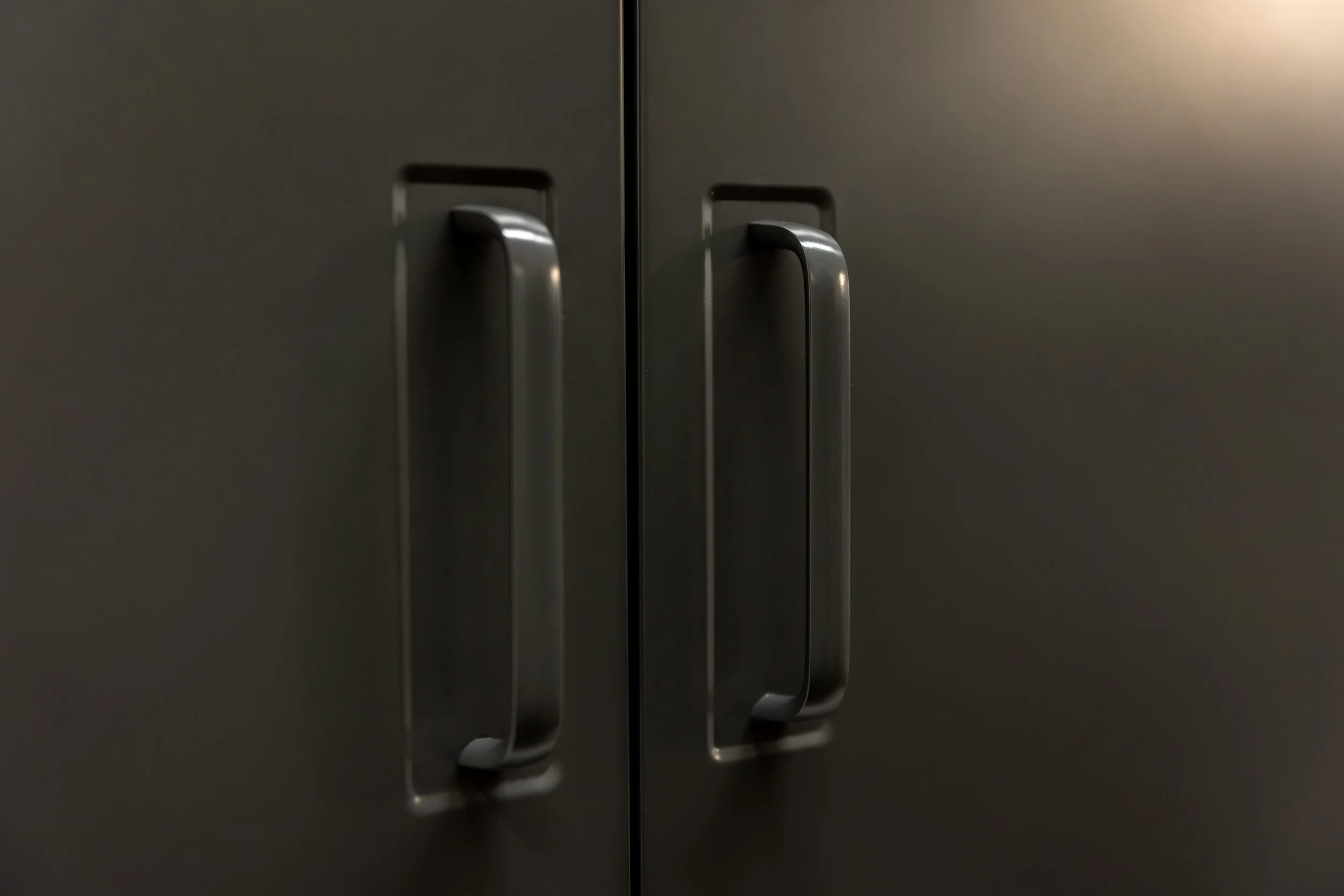
Finish is where designer cabinet pulls separate themselves from the basics. Unlacquered brass develops a living patina that changes with handling and time, which some homeowners love for the warmth it brings to a space. Others prefer a consistent, protected finish that looks the same on day one and year ten. Whichever direction you choose, try to match or intentionally contrast it with your faucet and lighting fixtures, since mismatched metals are one of the fastest ways to make a finished kitchen feel sloppy and thoughtless. Warm tones, like brass, bronze, and gold, tend to pair well with wood cabinetry and warmer countertop colors, while cooler finishes, like nickel, chrome, or black, tend to suit contemporary rooms with cooler stone or painted surfaces. Bringing a cabinet door sample or a paint chip with you to a showroom makes this comparison far easier than trying to picture it from memory at home.

Do More Expensive Pulls Actually Last Longer?

In most cases, yes. Solid brass and bronze hold up to years of daily use in a way that plated pieces often cannot, especially in a kitchen where hands are frequently wet, greasy, or gripping the same six pulls multiple times a day. A plated finish can thin and discolor at the edges within a few years, while solid metal hardware tends to age gracefully instead of looking worn out. Having durability is a real part of what you are paying for, not just the look. Over a decade of ownership, a homeowner who buys once and buys well often ends up spending less than one who replaces cheaper hardware every few years as it corrodes, loosens, or simply stops looking new.
Where Can You Shop Designer Cabinet Pulls in Person?

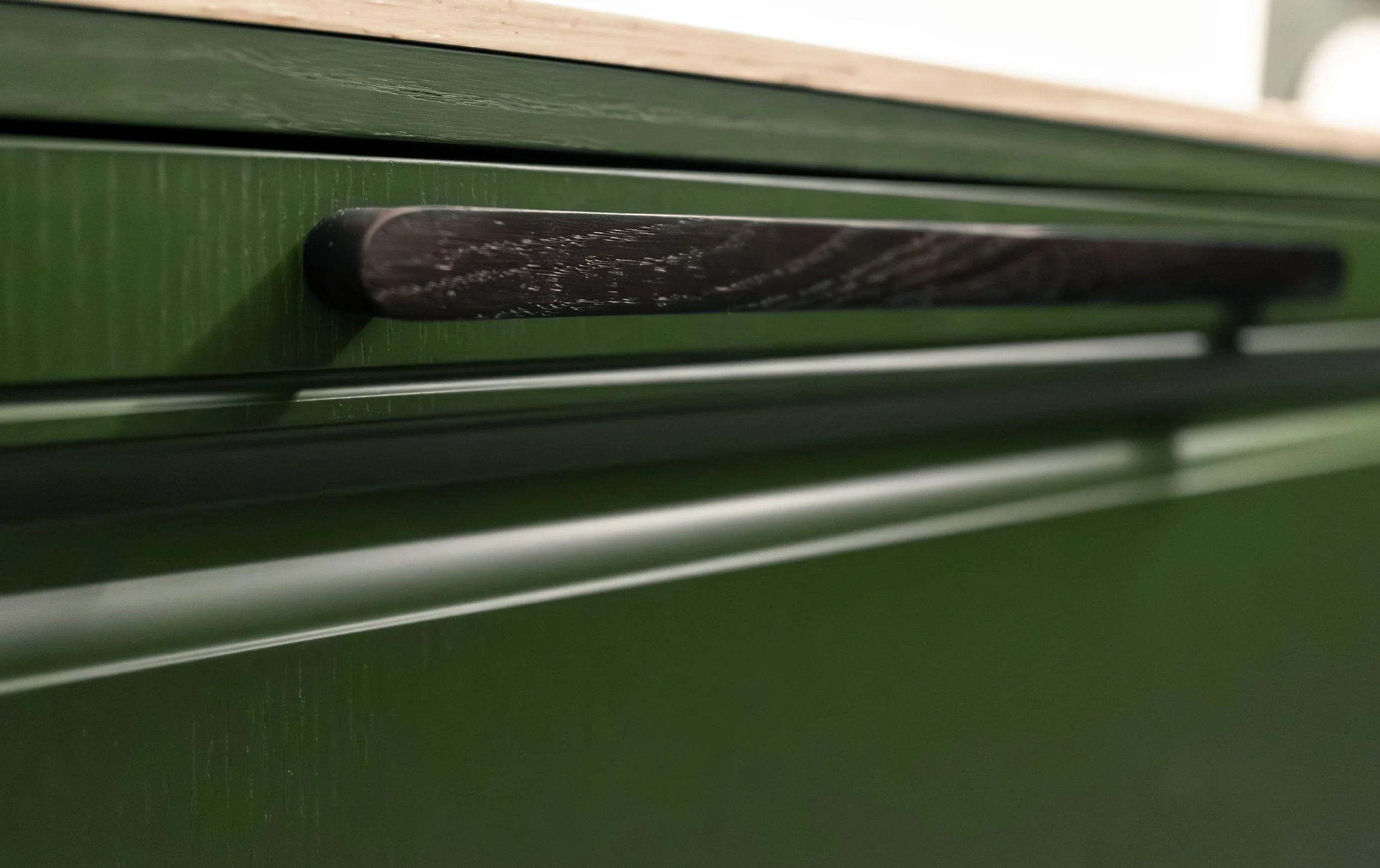
Our showroom, Elegance in Hardware, carries a range of manufacturers worth comparing side by side, including Baldwin Hardware, Water Street Brass, Colonial Bronze, Linnea, Keeler, and Emtek, alongside specialty lines like PullCast, Hamilton, and Field Enterprise. Seeing pulls from several makers next to each other, rather than choosing from a single online catalog, makes it far easier to notice differences in weight, finish consistency, and overall craftsmanship before you commit to an order for an entire kitchen. Staff who work with these lines every day can even flag which finishes tend to resist daily wear best, a detail that rarely comes through in a product photo but matters a great deal five years into owning a home.

Visit our showroom to hold real samples, compare finishes, and find pulls built to last in your kitchen or bath for years to come.
How Do You Pick Designer Kitchen Hardware That Matches Your Style and Your Cabinets?

Cabinets and countertops set the tone for a kitchen, but hardware is what people actually touch every day. A pull that feels solid in the hand, a knob with a finish that holds up to years of cooking and cleaning, a hinge that closes with a quiet, solid click. That is the real difference designer kitchen hardware makes, and it is worth understanding before you start shopping. Let’s get into it.

What Counts as Designer Kitchen Hardware?

That term covers everything from cabinet knobs, pulls, and hinges, to functional pieces like drawer slides, all made by manufacturers who focus on craftsmanship, material quality, and original design rather than mass production. It’s the difference between a pull stamped out by the thousands and one cast, finished, and inspected by a smaller company that stands behind its work. This kind of hardware is usually sold through specialty showrooms rather than big box stores because it is meant to be seen, handled, and compared in person before you buy. A showroom also lets you hold a knob or pull next to your actual cabinet sample or paint chip, which is something a product photo online simply cannot replicate.

Why Does Kitchen Hardware Make Such a Big Difference?

Hardware is the no.1 kitchen element you touch constantly, so its weight, texture, and finish shape how the whole room feels, not just how it looks in a photo. A well-chosen pull can make a simple cabinet door look custom. A mismatched or flimsy one can make an otherwise beautiful kitchen feel unfinished. Because hardware is also one of the more affordable ways to update a kitchen, upgrading is often the fastest way to change the character of a space without a full renovation. Swapping out builder-grade knobs for something with real weight and a considered finish can transform how a kitchen reads, even if the cabinets themselves stay exactly the same.

What Should You Look for in Designer Kitchen Hardware?

Start with how it feels. A well-made pull should feel substantial, with no sharp edges or rough casting lines. Check how the finish is applied, since a quality finish should be even and consistent across every piece you are buying, not just the sample. Ask about the base material too. Solid brass and bronze hold up differently than plated pieces over years of daily use, especially in a busy kitchen where hands are often wet or greasy. A plated finish can wear thin at the edges after a few years of constant use, while solid metal simply develops character, which is one reason solid brass and bronze pieces tend to carry a higher price, but a longer lifespan.

How Do You Choose the Right Finish?

Finish should work with your other metals, not fight them. If your faucet and lighting already lean warm, think unlacquered brass or aged bronze, pick cabinet hardware that either matches that tone or contrasts with it on purpose, so the room doesn’t end up feeling disjointed. Unlacquered brass finishes develop a living patina over time, which some homeowners love and others prefer to avoid, so it’s worth asking a showroom to explain how a given finish will age before you commit to it across an entire kitchen.

Should Every Piece of Hardware in Your Kitchen Match?

Not necessarily. Many kitchens now mix finishes and styles on purpose, such as brass pulls on an island paired with a cooler nickel or black on the surrounding cabinetry for example. Or even knobs on upper cabinets with pulls on the drawers below for a practical reason as much as a visual one. What matters more than uniformity is that the hardware works as one system: hinges and drawer slides that operate smoothly and quietly, paired with knobs and pulls that hold up to daily use. Those functional pieces rarely get much thought during a remodel, but a soft-close hinge or a full-extension slide changes how a kitchen feels to use every single day, long after the finish on a knob has been decided. A good showroom will walk you through hinge and slide options with the same attention given to finishes, since a drawer that sticks or a cabinet door that slams undoes a lot of the finesse a beautiful pull is supposed to add. Think of hardware selection as outfitting the whole kitchen, not just accessorizing it.

How Long Should Designer Kitchen Hardware Actually Last?

Well-made hardware is built to outlast at least one kitchen renovation cycle, often 15 to 20 years or more, without the finish wearing thin or the mechanism loosening. Having something made to last a long time is part of the value, since a homeowner who buys once rarely has to think about hardware again until they are ready for a new look entirely, not because something failed. Functional pieces like hinges and slides matter just as much here as knobs and pulls. A hinge that starts sagging or a slide that sticks after a few years of daily use is a sign of lower-quality materials, regardless of how good the piece looked on the day it was installed. Ask a showroom what warranty, if any, comes with a given line, since a manufacturer willing to stand behind hinges and slides for years is usually being honest about how the piece is actually built.

Where Can You Find Designer Kitchen Hardware in New York?

Elegance in Hardware and Bath operates two showrooms on Manhattan's Upper East Side. Our team works with contractors, designers, and homeowners across the tri-state area, including the Hamptons, Connecticut, and New Jersey, and carries premium manufacturers alongside specialty lines. With more than 50 years of combined industry experience on staff, the showroom offers a hands-on design consultation so you can compare weight, finish, and sizing in person before you commit. Stop by one of our showrooms to start finding the pieces that will make your kitchen last.

How to Choose Bathroom Vanity Hardware That Lasts

Bathroom vanity hardware is one of the smallest investments in a renovation, but it's also one you'll reach for every single day. Knobs and pulls get more physical contact than almost anything else in the room, and cheap hardware shows wear fast, with loose screws, dull finishes and knobs that wobble within a year. Choosing bathroom vanity hardware that lasts means thinking beyond the showroom and visualizing how it will hold up against water, steam and daily use. From finish and material to size and placement, there's more to get right than the average shopper expects. Here's what actually determines whether your hardware still looks sharp five years from now.

What Makes Bathroom Vanity Hardware Different From Other Hardware?

Bathrooms are humid, and therefore determines what durable hardware needs to do. Unlike hardware on a kitchen cabinet or bedroom dresser, bathroom vanity hardware deals with constant moisture, temperature swings from hot showers and frequent contact with wet hands. Cheap plated finishes that would hold up fine in a dry room can pit, discolor or peel in a bathroom within a year or two. Solid, well-finished bathroom vanity hardware resists this kind of wear because the quality goes deeper than a thin coating on the surface. When you're shopping, it helps to ask what's underneath the finish, not just what color or style catches your eye first, thus helping you rule out a lot of hardware that may look nice but won't hold up at home over time.

What Materials Hold Up Best Over Time?

Solid brass remains the standard. It resists corrosion, takes plating well and develops character rather than damage as it ages, which is part of why so much older bathroom vanity hardware works decades later. Unlacquered brass in particular develops a soft patina with age instead of breaking down, which some homeowners prefer over a finish that stays static. Stainless steel is another strong option, especially in finishes like brushed nickel, since it naturally resists rust and doesn't rely on a coating for protection. Zinc alloy hardware can look nearly identical to brass or steel at a glance, but it's softer, more prone to corrosion in humid conditions and more likely to crack under regular use. If you're comparing two nearly identical knobs at very different price points, the material underneath is usually where the price difference comes from. Good hardware doesn't have to be the most expensive option on the shelf, but it does need real metal behind the finish.

Which Finishes Actually Age Well in a Bathroom?

Finish affects both looks and how long the hardware stays looking good. PVD, or physical vapor deposition, holds up much better over time than traditional plating as they are prone to resisting scratches, tarnish and fading even with daily contact and constant moisture. Brushed and satin finishes, whether in brass, nickel or matte black, tend to hide water spots and fingerprints better than high polish, which shows every touch almost immediately. Polished chrome and polished nickel look striking when new but require more upkeep to stay that way over months of regular use. If low maintenance matters more to you than a mirror-bright shine, a brushed or matte finish on solid metal is usually the better long-term choice for bathroom vanity hardware.

How Do You Match Hardware to Your Vanity Style?

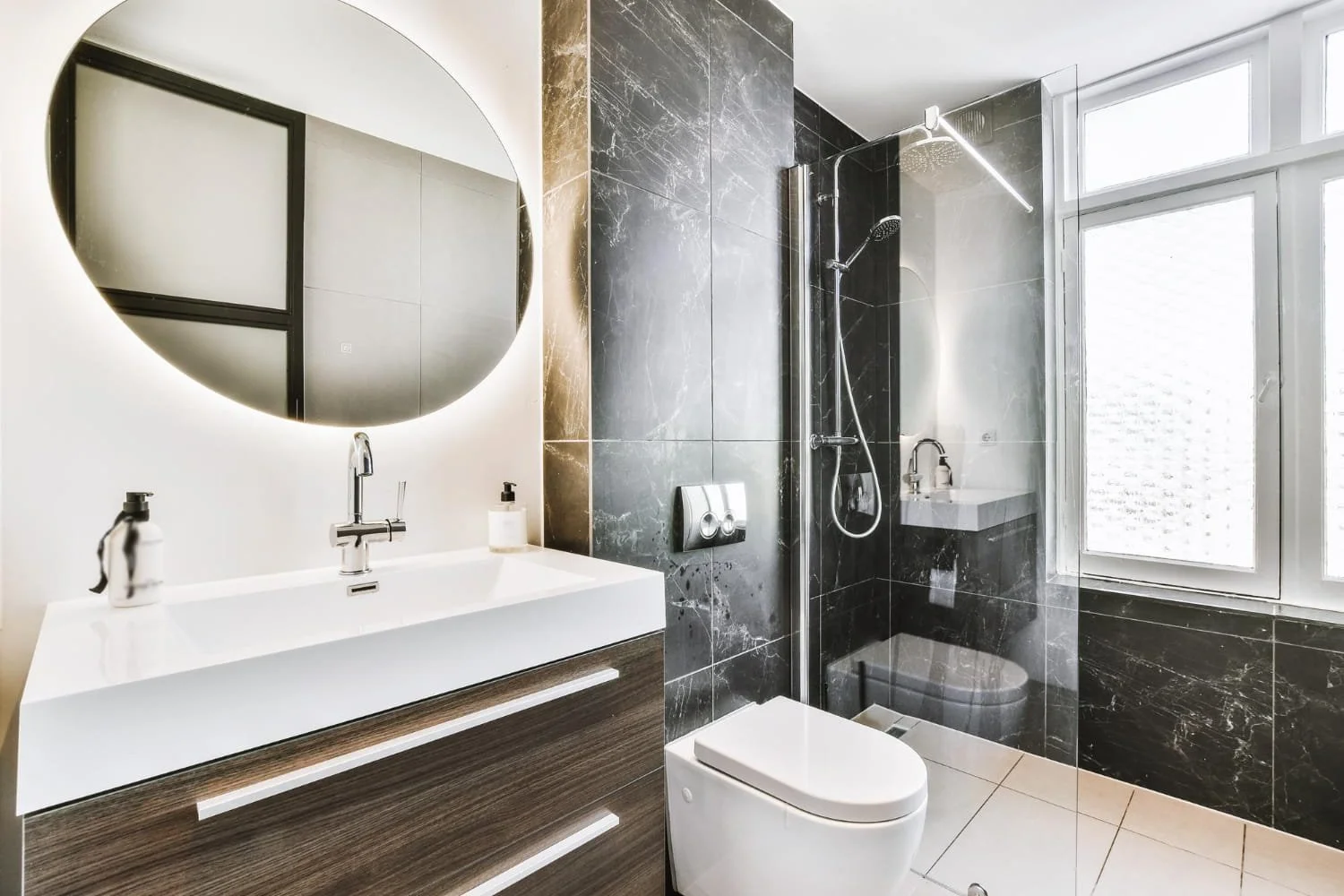
The vanity itself should guide the hardware, not the other way around. A shaker-style vanity with clean lines pairs well with simple bar pulls or round knobs in a single consistent finish. A more traditional or furniture-style vanity can carry ornate backplates or ringed pulls without looking busy or overdone. Floating or minimalist vanities often look best with finger pulls or no visible hardware at all, letting the cabinetry itself do the talking. Before you buy, take a look at your faucet, mirror frame and light fixtures. Bathroom vanity hardware doesn't need to match those pieces exactly, but staying within the same finish family keeps the whole room feeling pulled together rather than assembled piece by piece over time.

What Mistakes Should You Avoid When Choosing Hardware?

The most common mistake is buying hardware based on photos alone. Finishes photograph differently than they look in person, especially under bathroom lighting, so ordering a sample before committing to a full set will save you a lot of regret later. Another mistake is ignoring size and proportion: oversized pulls can look out of place on a narrow vanity, while tiny knobs can get lost on a large one. Mixing warm and cool tones, like brass pulls against a chrome faucet, is another easy way for a bathroom to read as unplanned rather than thought through. Skipping the screws that come with cheaper hardware, or mixing brands without checking hole spacing first, also causes installation headaches down the line. Finally, don't assume finishes labeled the same way actually match each other. Brushed nickel from one brand can look noticeably different from another's, so it pays to check that any pieces you plan to use together will actually work as a set.

How Should You Care for Bathroom Vanity Hardware Once It's Installed?

Good hardware still needs some basic care to hold up. Wipe it down with a soft, dry cloth after cleaning the vanity, since standing water and cleaning chemicals are what cause most finishes to break down over time. Avoid abrasive cleaners or anything with bleach directly on metal hardware, and check screws periodically since bathroom humidity can loosen them faster than in drier rooms of the house. A quick wipe after a shower or bath goes a long way toward keeping finishes bright between deeper cleanings. None of this takes more than a minute or two, but it's the difference between hardware that still looks new after a decade and hardware you're replacing again in three years.

The right bathroom vanity hardware comes down to material, finish and fit, and getting it right the first time makes all the difference. At Elegance in Hardware, we carry solid, name-brand options built for exactly this kind of daily use. Stop by the showroom and our team will help you find hardware that actually lasts.


Luxury Bathroom Faucets vs. Budget Options: Is the Upgrade Worth It?

All bathroom renovations eventually arrive at the same decision point. You're standing in a showroom, staring at two nearly identical faucets, one twice the price of the other, wondering if the extra cost buys you anything beyond a nicer box.

Luxury bathroom faucets aren't just a standard fixture with a designer name stamped on it. The differences show up in the materials, the engineering, and how the faucet performs a decade from now. Here's what actually separates the two, so you can decide with your eyes open before your next renovation.

What Makes a Faucet "Luxury" in the First Place?

The word gets thrown around loosely, but with luxury bathroom faucets, it usually comes down to three things: material, finish, and engineering. Most premium faucets are cast from solid brass, a metal that resists corrosion and holds its shape under constant use for decades. Budget faucets often rely on zinc alloy, which is lighter, cheaper, and more prone to cracking or pitting over time. When it comes to the finish, high-end manufacturers use a process called physical vapor deposition, or PVD, which bonds color to the metal at a molecular level instead of simply plating over it, so it wears the same way years later as it did on day one. Inside the faucet, a ceramic disc valve controls water flow with a precision that rubber washers can't match, and that valve is often the single biggest reason one faucet outlasts another by years, not just months.

How Do Luxury Bathroom Faucets Differ From Budget Options?

Pick up a premium faucet and a budget one side by side, and you'll immediately notice a difference in weight alone. Solid brass is hefty, while zinc alloy feels more on the hollow side. The weight isn't just about how it feels but it actually affects how the faucet handles daily wear, how smoothly the handle turns after five years, and whether the finish holds up against hard water, soap residue, and everyday cleaning products. Budget faucets tend to show their age fast, with plating that flakes, dulls, or spots within a year or two of regular use. Luxury faucets are also backed by longer warranties, sometimes lifetime coverage on the finish itself, because manufacturers trust the materials to actually last that long, and they're willing to stand behind that claim in writing.

Are Luxury Bathroom Faucets Worth the Extra Cost?

This is the question everyone really wants answered, and the honest response may depend on how long you plan to stay in the house. If you're flipping a property within a year, a mid-range faucet might make more financial sense for your budget. But for a primary residence, luxury bathroom faucets tend to pay for themselves in the long run. A $400 faucet that lasts 20 years costs less annually than a $120 faucet you replace three times over that same period, and that doesn't even include the labor cost of swapping fixtures out each time or the hassle of scheduling a plumber. There's also the resale angle to consider. Buyers and appraisers notice quality hardware, and it's one of those small, tactile details that signals a well-maintained, thoughtfully finished home to anyone touring it.

What Should You Look for When Comparing Faucets?

Start with the valve, since it drives most of the long-term performance. Ceramic disc valves are the standard for luxury bathroom faucets and are typically rated for hundreds of thousands of cycles without leaking or dripping. Check the material next, brass content should be listed on the spec sheet, and anything under 50 percent brass is closer to budget territory regardless of the price tag on the box. Look at the finish process as well, since PVD and powder-coated finishes hold up far better over time than basic chrome plating alone. Finally, read the warranty carefully. A lifetime finish warranty tells you the manufacturer expects the faucet to still be in your bathroom decades from now, not just a few years down the road.

How Long Do Luxury Bathroom Faucets Actually Last?

With reasonable care, a well-made faucet can last 15 to 20 years, and sometimes considerably longer. Budget faucets, by contrast, often need replacing within five to seven years as internal parts wear down and finishes deteriorate faster than expected. The gap comes down to that ceramic disc valve again, along with the quality of the brass underneath the finish and how carefully the piece was assembled in the first place. When you compare the two categories on a cost-per-year basis rather than just the sticker price, the numbers tend to favor the upgrade more often than most homeowners initially expect, especially once a replacement or two is factored in.

Where Can You See Luxury Bathroom Faucets in Person Before Buying?

Photos and spec sheets only tell part of the story. The weight of a handle, the resistance when you turn it, the way a finish catches light in a real room, these are things you notice in person, not on a screen. A showroom lets you test the mechanism, compare finishes side by side under real lighting, and ask detailed questions about installation before you commit to a fixture that's meant to last for decades in daily use. It's a small amount of time upfront for a decision you'll live with every morning.

If you're weighing luxury bathroom faucets against budget options for an upcoming renovation, Elegance in Hardware can help you see the difference firsthand. Our Upper East Side showroom carries trusted names like Fantini, Samuel Heath, and Robern, and our team brings decades of combined experience in hardware and plumbing to every project we take on. Visit our showroom or contact us today to find the right faucet for your bathroom.

How Do You Create a Luxury Bathing Experience?

Ask 10 people what makes a bathroom feel luxurious and most will describe something visual. Stone, a freestanding tub, a wall of glass. However, where most bathroom budgets go wrong is when the photograph and the experience tend to get mixed up. Nobody has ever described a great bath by naming the countertop. What stays with people is sensory and specific, the sound of the water, the weight of the handle, the way the room held its heat long after they had stepped out of it A luxury bathing experience is built from things you feel rather than things you photograph, and the good news is that the felt things are usually cheaper than the visual ones. This is what we think a luxury bathing experience is made of.

What separates a luxury bathing experience from a nice bathroom?

A nice bathroom is well finished. A luxury bathing experience is well specified. Does the shower hold its temperature when the dishwasher fills? Does the faucet handle move with a smooth, weighted action, or does it wobble? Does the door close without a bang? Does the extractor fan run quietly enough that you would leave it on? None of these appear in a listing photo, and all of them determine whether the room is somewhere you linger or somewhere you are ready to get out of as quickly as possible.

Where should the budget actually go?

A useful rule is to spend on anything that carries water and anything your hands touch, then economize on anything decorative. Fixtures are the engine of the room. Tile, paint and cabinetry are the bodywork. A mid-range tile paired with an excellent shower system will give you a better experience every morning over imported stone paired with a builder-grade valve, and will still look good. When budgets get squeezed, the temptation runs the other way, since surfaces are what visitors comment on. Resist it.

Which fixtures do you feel every day?

A short list, in rough order of how often you will notice them:

  • The basin faucet. Touched more than anything else in the house after door hardware. Weight, handle action and finish quality are all felt within a week.

  • The shower system. The single biggest contributor to whether bathing feels indulgent or merely efficient.

  • The towel bar or hook. Used every time, and a heated version turns an ordinary bath into something closer to a hotel experience.

  • The medicine cabinet. Opened twice a day, minimum. Soft-close hinges and proper interior lighting change the whole morning routine.

  • Bath accessories. Rings, hooks and holders in one coherent finish. Small pieces, but they are what your hand meets in the dark.

How much do pressure and temperature control matter?

More than anything else on the list. A thermostatic valve holds your chosen temperature regardless of what is happening elsewhere in the plumbing, which eliminates the flinch that follows a toilet flushing somewhere in the building.

Pressure deserves the same scrutiny. A rain head looks wonderful and delivers a soft, low-velocity spray, which some people love and others find underwhelming. Pairing one with a handheld on a separate outlet covers both preferences and makes cleaning the enclosure far easier. Check available pressure before specifying anything, because the most beautiful shower system in the world cannot invent water it is not being supplied with.

What role does lighting play?

An enormous one. Overhead-only lighting casts hard downward shadows, which is unflattering at the mirror and clinical everywhere else. Look to place sconces at roughly eye level on either side of the mirror, and you get the same even, flattering light that hotels have been counting on for years. Add a dedicated shower light, then put the main circuit on a dimmer. The ability to drop the room to a low warm glow in the evening is what turns a functional space into genuine luxury bathing, and it costs a fraction of a stone countertop.

Which materials hold up over time?

Choose fewer materials and carry them further. Two surfaces used confidently look more expensive than five competing for attention, and they age better because there are fewer junctions to fail. On metals, pick one finish family and hold it across the faucet, shower system, accessories and door hardware. Each finish has something special going for it, whether it's the crispness of polished nickel, the warmth of aged bronze or the living quality of unlacquered brass, though that last one will patina, so know going in whether you love that or not. On surfaces, remember that grout is the maintenance story in any wet room, so a larger tile format with fewer joints will look better for longer with less effort.

How do you build the ritual, not just the room?

Heavier towels, a bath mat that feels pleasant underfoot, somewhere to set a glass down, a hook within reach of the shower rather than across the room. Think about what the room asks you to do. If the towel is three steps away, you will always be cold for three steps. If the light only has one setting, you will never take an evening bath in it. Small frictions decide whether a beautiful bathroom actually gets used the way you imagined. The same logic applies to storage. If the shampoo lives on the floor of the shower, the room will always look cluttered no matter what it costs. A niche at shoulder height, or a proper shelf, creates a sense of purpose, ease and intention to your experience.

Where should you begin?

Start with the fixtures, because they set the ceiling on everything else, and see them in person if you can. At Elegance in Hardware, our showroom lets you compare shower systems, lavatory sets, custom shower enclosures, medicine cabinets and bath accessories. Our specialists will help you put the budget where you will feel it every day. Visit us to get started.

Door Handles for Interior Doors: 7 Stylish Ideas

Most people spend weeks choosing a paint color and about four minutes choosing hardware, usually at the very end of a renovation when the budget is pushing the limits and everyone's patience has grown thin.

Hardware is the one part of a room you physically touch every day, often dozens of times. A handle that feels light and hollow tells you something about a home before you have looked at anything else, and a handle with real weight behind it does the same in the opposite direction. The good news is that this is a forgiving detail to get right. Swapping hardware costs a fraction of what cabinetry or flooring costs, and it can lift a hallway of ordinary doors into something that feels considered.

Why do door handles for interior doors matter more than you think?

Designers talk about touchpoints, and hardware is the most literal one in the house that is responsible for tying a room together. When the handles change style from the bedroom to the study to the hall closet, the eye reads the house as a series of unrelated decisions rather than one coherent space.

In practical terms, interior hardware is in constant use. A privacy set on a bathroom door might be turned 10 times a day, every day, for 20 years. Solid brass or bronze internals will survive that. Zinc alloy with a thin-plated coating will start to loosen, rattle and wear through at the thumb contact point far sooner.

Should you choose a lever or a knob?

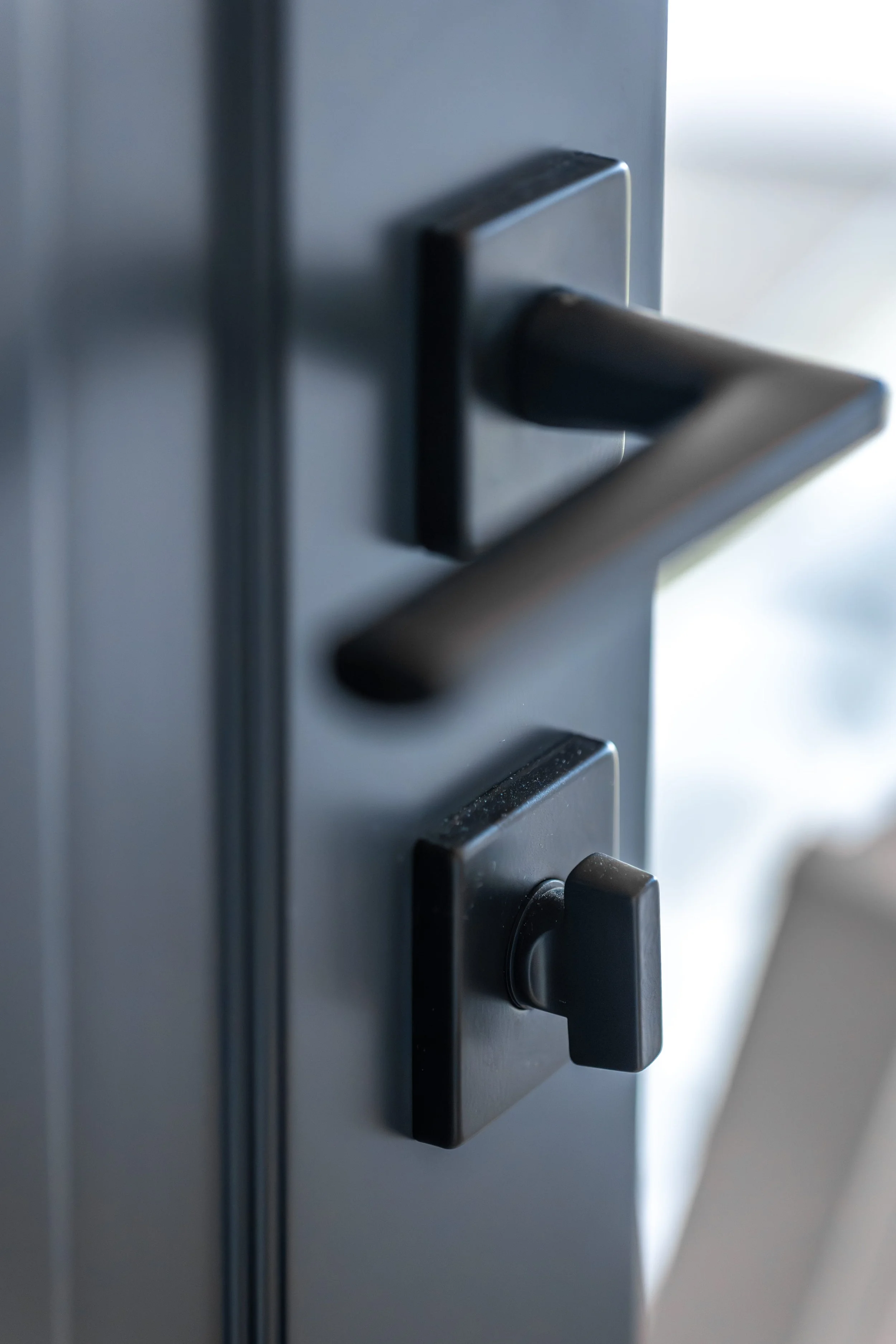
Levers open with a forearm, an elbow or a full hand, which makes them the accessible choice and the easier one for children, older relatives and anyone carrying laundry. Most modern and transitional interiors default to levers for exactly that reason.

Knobs require a grip and a twist, so they are harder to operate, but they read as more traditional and they sit flush against the door without catching sleeves or bag straps. They also suit narrow spaces where a projecting lever would collide with a door frame or an adjacent wall. Many homes use both, with levers on high-traffic doors and knobs on closets and secondary rooms.

Which finishes hold up in a busy home?

Polished chrome and polished nickel look immaculate in a showroom and show every fingerprint at home. Satin nickel and brushed brass hide daily contact far better, which is why they are most used in family homes.

Matte black has become the default for contemporary interiors, though the quality range is wide. A powder-coated finish will chip at the edges over time, while a physical vapor deposition finish holds up considerably better. Unlacquered brass sits at the opposite end. It's meant to darken and mottle with handling, developing a patina that no factory finish can imitate. If you want a handle to look identical in five years, avoid it. If you want it to look lived in, it's an excellent choice.

What are seven interior handle styles worth considering?

Here are seven directions that work in real homes rather than only in photographs.

  1. Solid brass lever. Warm, weighty and traditional. Works in period properties and softens minimal interiors that risk feeling cold.

  2. Matte black lever. Pairs cleanly with black window frames, oak doors and pale walls.

  3. Knurled handle. A finely textured grip that adds tactile interest without adding an ornate look. A small detail that people notice with their hands first.

  4. Glass or crystal knob. Reflective, light and decorative. Beautiful on bedroom and dressing room doors, less suited to heavy daily use.

  5. Leather-wrapped lever. Hand-stitched leather over metal, warm to the touch and unusual enough to feel unique. A signature choice for a study or a principal suite.

  6. Minimalist satin nickel lever. Slim, unfussy and almost invisible. The right answer when the doors themselves are the feature.

  7. Unlacquered brass knob. Starts bright, ages to something deeper and more complex. A living finish for people who like a house to show its history.

How do you match hardware to each room's function?

Interior hardware comes in three functional types, and mixing them up is the most common ordering mistake. Passage sets latch but do not lock, and belong on hallways, kitchens and living rooms. Privacy sets lock from the inside with a thumbturn, and belong to bedrooms and bathrooms. Dummy sets do not move at all, and are used on closet doors, pantry doors and the fixed leaf of a double door. Write the list room by room before you order anything.

What measurements should you check first?

Three numbers matter. Backset is the distance from the edge of the door to the center of the bore hole, most often 2 3/8 inches or 2 3/4 inches. Door thickness is usually 1 3/8 inches for interior doors, though older and custom doors vary. Bore hole diameter needs to match the new hardware or the rose will not cover the existing cutout. Measure two or three doors rather than assuming the whole house matches, particularly in an older property where doors have been replaced separately at different times. If you are moving from a knob to a lever, check the clearance between the handle and the door frame as well.

How do you keep interior hardware looking its best?

Very little is required, which is part of the appeal. Wipe finishes with a soft dry cloth, and avoid anything abrasive or ammonia based, since those strip lacquer and dull plating. If a lever starts to droop or a latch begins to stick, the fix is almost always a loose set screw or a spindle that needs seating, not a failed handle. Unlacquered brass is the exception. Leave it alone and it will darken naturally or, polish it occasionally and it will stay brighter. Neither approach is wrong.

Where should you shop for door handles for interior doors?

Hardware is one of the few things genuinely worth seeing in person, because weight, action and finish depth simply do not translate through a screen. At Elegance in Hardware, our Upper East Side showroom puts passage, privacy and dummy sets from makers such as Baldwin, Omnia, Merit Metal, Turnstyle Designs and Colombo Design in your hand, so you can compare a knurled lever against a leather-wrapped one before you commit. Our sales specialists bring decades of experience to interior door handles, and they will help you spec the right function and backset for every door in the plan. Visit us to start your selection.

7 Types of Architectural Door Hardware Every Homeowner Should Know

Architectural door hardware refers to the functional and decorative elements that operate, secure and finish a door whether that be hinges, handles, locksets, pulls, stops and closers. They're all chosen as part of a building's overall design rather than picked up as an afterthought. The term separates thoughtfully designed and well-built pieces from generic hardware you can just buy off a shelf. Architects and designers often specify these pieces early in a project, along with flooring, lighting and cabinetry because small components like this carry much greater weight than you might expect in how a space feels and functions. Architectural door hardware accounts for durability and code compliance, not just appearance, which is part of why it's treated as its own category rather than a last-minute purchase. Here are seven different types of architectural door hardware everyone should know about.

Why Does Architectural Door Hardware Matter in Design?

Every person who walks through a building touches its door hardware before they see much else of the interior. The weight of a lever, the resistance of a hinge, or the click of a latch can set an impression before a single piece of furniture comes into view. Architectural door hardware matters because it sits at the intersection of daily use and visual design, meaning it has to perform well and look intentional at the same time. Mismatched finishes, hardware that feels flimsy or hinges that squeak don't do justice for an otherwise well-designed room. Nailing the details means carefully aligning the tones of every finish used throughout a home or building for a cohesive appearance like choosing brass with brass, black with black and choosing a weight and mechanism appropriate to how often a door gets used. Designers often treat hardware as a finishing layer with the same care given to tile or trim.

What Types of Hinges Count as Architectural Door Hardware?

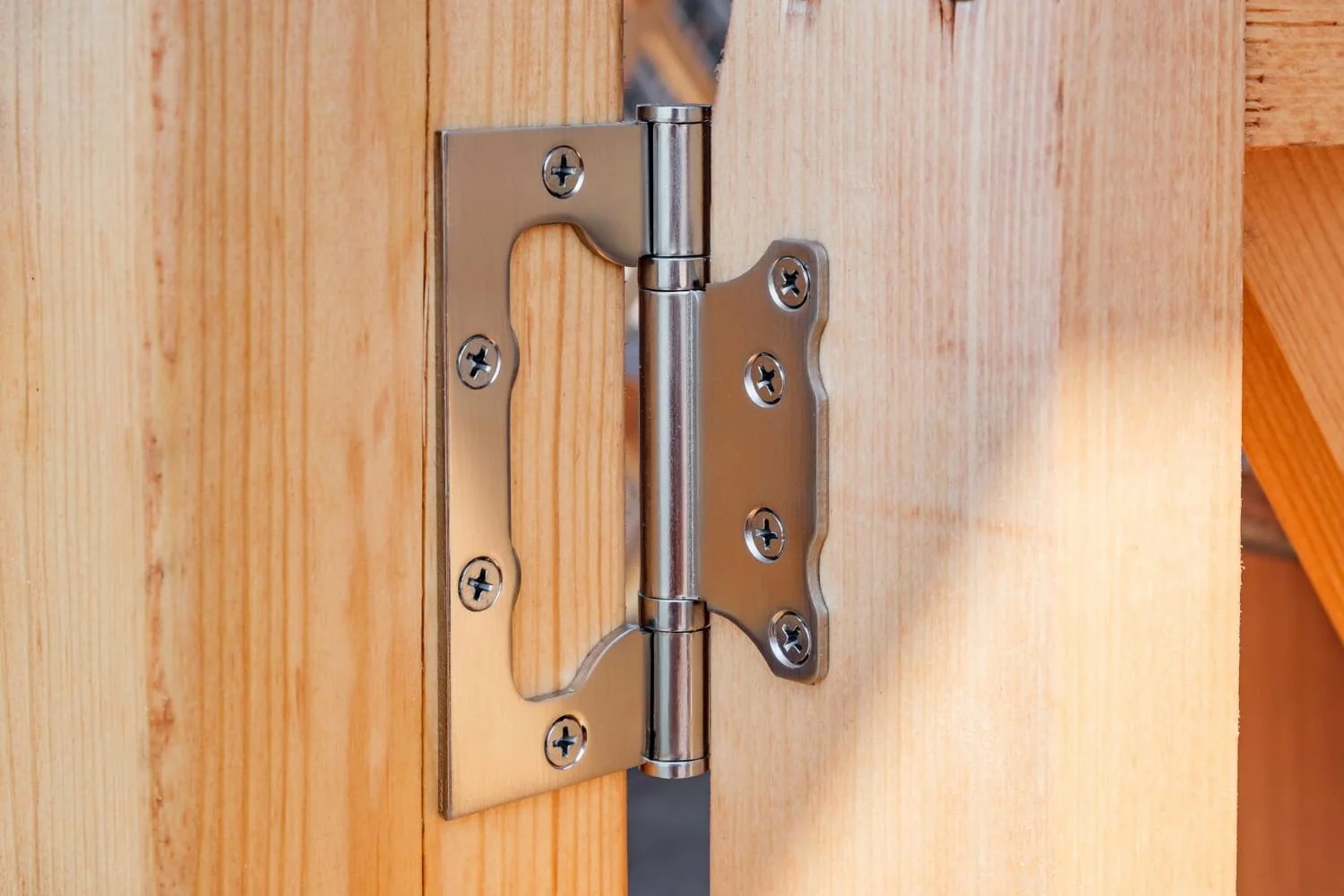
Hinges are the most overlooked piece of architectural door hardware, largely because they're primarily a functional detail rather than being thought of as a design detail. Any good designer knows you can make anything, even a hinge, look elegant. For most interior doors, butt hinges are the standard choice. They're mounted on the door edge and frame, and available in a range of finishes to match handles and other hardware nearby. Concealed hinges hide the mechanism entirely for a cleaner look, often used on flush or minimalist doors where visible hardware would compete with the design. Pivot hinges mount at the top and bottom of the door rather than the side, giving heavier doors a different range of motion and a more architectural feel. Ball-bearing hinges add a smoother, quieter operation for high-traffic or heavier doors, an upgrade worth specifying for entry doors or anywhere a door swings dozens of times a day. Choosing the right hinge is a structural decision as much as an aesthetic one, since weight, frequency of use and door material all affect which hinge holds up.

What Role Do Handles, Levers and Knobs Play?

Handles are the most visible piece of architectural door hardware and usually the first thing a homeowner picks when planning a renovation. Levers are the more common choice in modern homes and are generally considered more comfortable to use than round knobs. However, knobs still suit traditional or period homes where the rounded shape matches the architecture, though building codes tend to favor levers more for accessibility in commercial spaces. Finish is where handles do the most design work: brushed brass and unlacquered brass have become popular for their warmth, while matte black and brushed nickel remain reliable choices for a cleaner, more contemporary look. Whatever finish gets chosen, consistency matters. Mixing warm and cool metals across a home tends to feel unplanned rather than eclectic, so most designers pick one finish family to choose from and then carry it through the whole house.

How Do Locksets and Security Hardware Fit In?

Locksets are the functional core of architectural door hardware, and getting the right type matters as much as getting the right finish. Entry locksets combine a lock and handle for exterior doors, usually paired with a deadbolt for added security. Privacy locksets, used on bedrooms and bathrooms, let a door lock from inside without a key, typically released from outside with a small pin in an emergency. Passage locksets have no locking mechanism at all and work well on doors like closets or hallways where privacy isn't a concern. Multipoint locking systems, more common on exterior or high-security doors, engage several points along the frame rather than a single latch, offering better resistance against forced entry. Specifying the right lockset for each door, room by room, is a step that's easy to skip but affects both daily function and long-term security.

What About Door Pulls, Stops and Closers?

Beyond hinges, handles and locks, several smaller pieces round out a door's full function. Door pulls get used on sliding or pocket doors where a lever or knob won't work, often flush-mounted for a clean look. Door stops protect walls and furniture from damage, and the architectural versions are designed to be discreet, mounted on the floor, wall or hinge rather than as an obvious rubber wedge. Door closers, more common in commercial or accessible buildings, control the speed and force of a door's swing, which matters most for fire-rated doors or spaces that need to stay accessible. These pieces don't get thought of like handles or hinges do, and if they're forgotten altogether, it often shows up later as scuffed walls or doors that won't close properly, so they deserve the same consideration as the rest of a home's architectural door hardware.

How Do You Choose the Right Architectural Door Hardware for Your Home?

Choosing the right architectural door hardware comes down to three questions: how will this door get used, what finish does it need to match, and how long does it need to last? Think about the practical function first. A bathroom needs a privacy lockset, a closet needs a passage set, an entry door needs both a lockset and a deadbolt. Once that's established, find a finish that feels right for the room and the rest of the house. Not only is consistency key, but finding something that is durable is just as important. Hardware with a solid construction is worth paying for on doors that get daily use, since hardware that wears out quickly ends up costing more over time than a better piece would have upfront.

If you're looking for guidance in matching finishes, mechanisms and styles across an entire home, visit us at Elegance in Hardware where we can help you choose architectural hardware that's made to last.

Designer Door Hardware: A Buyer's Guide for Every Room

Walk into any beautifully finished home and what are you immediately noticing? Likely the bi things: the flooring, the cabinetry, the lighting and maybe the wall color. What you may not be noticing is how the smaller details like the door handles, hinges and latches are what's pulling the whole room together. These pieces get touched dozens of times a day, yet they're often the last thing anyone considers when renovating or building. Designer door hardware turns a functional necessity into a considered design choice, one that can lift an entire room without a single structural change. This guide covers what designer door hardware actually means, why it matters, and how to choose pieces suited to every room in your home.

What Is Designer Door Hardware?

Designer door hardware usually refers to handles, knobs, hinges and locks made with the same attention to craftsmanship and style as any other piece of furniture in your home. Unlike standard, mass-produced fittings, designer pieces are typically made from higher-grade materials, including solid brass, stainless steel and bronze, and finished by hand. They're designed as part of a cohesive collection, so a single handle style might appear across doors, cabinets and drawers throughout the house. When people talk about designer door hardware, they're really talking about the difference between hardware that simply works and hardware that looks intentionally integrated into the entire design of the home.

Does Door Hardware Deserve More Attention?

It's easy to underestimate how much door hardware affects the feel of a home. Handles and knobs are among the few design elements you interact with physically, multiple times a day, in nearly every room. A cheap, hollow handle can make a beautiful door fall flat, while a well-weighted, precisely finished handle adds an immediate sense of quality the moment you touch it. Designer door hardware is also made to last. Better materials and construction mean less wear, fewer replacements, and finishes that age well rather than flake or tarnish. Consider it one of the few renovation choices where form and function genuinely support each other.

Matching Hardware to Your Home's Style

Not all designer door hardware suits every home, and that's the point. A minimalist, modern space calls for clean lines and understated finishes, such as slim lever handles in matte black or brushed steel. A traditional or period home might call for more ornate detailing, in aged brass or bronze, with visible screws and classic profiles. Coastal or Mediterranean-style homes often lean toward warmer metals and rounded silhouettes. The goal isn't to match hardware to a trend; it's to match it to the architecture and mood you've already built. Before choosing a finish or shape, look at your existing fixtures, including taps, light fittings and cabinet pulls, and let those guide your decision. Consistency across a home's hardware creates a sense of flow from room to room.

How Do You Choose the Right Finish?

Finish is often where designer door hardware makes its biggest visual impact. Brushed brass and satin nickel remain popular for their warmth and versatility, working well in both contemporary and traditional settings. Matte black continues to be a strong choice for anyone after a bolder, more graphic look, while polished chrome suits sleek, modern interiors. Bronze and aged metals bring depth and character to older or more rustic homes. When selecting a finish, consider how it will wear over time and how much maintenance you're willing to do. Some finishes develop a beautiful patina, while others need more regular care to stay looking sharp.

Designer Door Hardware for Every Room

Different rooms call for different considerations. Entry doors benefit from substantial, secure hardware that makes a strong first impression, since this is often the first piece a guest touches. Interior doors offer more flexibility, which is where you can experiment with finish and shape without worrying as much about weatherproofing. Bathrooms and kitchens need hardware that can handle moisture and frequent use, so it's worth prioritizing quality materials in these spaces. Wardrobes and cabinetry offer a chance to bring in smaller, more delicate designs, such as slim pulls or knobs to complement the larger hardware used elsewhere in the home.

What Materials Make a Difference?

The material behind a piece of designer door hardware affects both how it looks and how long it lasts. Solid brass is a longtime favorite for its durability and the way it develops a natural patina over the years. Stainless steel offers a cleaner, more contemporary look and holds up well in frequently used or humid areas. Bronze brings warmth and a sense of history, and is often used in more traditional homes. Avoid lightweight, hollow fittings where possible. They may look similar in photos but rarely hold up the same way once they're installed, and the weight difference is noticeable the moment you use them.

Common Mistakes to Avoid

One of the most common mistakes is choosing hardware too late in the renovation process, treating it as an afterthought rather than a decision made alongside doors, cabinetry and paint colors. Mismatched finishes across a home can also create visual noise, so it's worth deciding early whether you want strict consistency or a mix. Another mistake is prioritizing appearance over function, especially for entry doors where security is the most important. Finally, don't assume all designer door hardware is too expensive. There are options at a range of price points, and the investment often pays off in durability alone.

How Do You Shop for the Right Designer Door Hardware?

Start by identifying the finishes and styles you've already got going on in your home, then work from there. Order samples where possible since finishes can look different in person than they do in photos. Think about each room's specific needs, not just its appearance. Don't be afraid to mix hardware slightly between spaces, as long as there's a common thread, whether that's finish, shape or material so it ties the choices together.

Designer door hardware might be one of the smallest details in a home, but it's rarely a small impact. Done well, it ties a space together and adds a level of quality you notice every time you turn a handle. At Elegance in Hardware, we've curated a range of designer door hardware to suit every style, from minimalist and modern to classic and ornate. Whether you're renovating one room or finishing an entire home, our team can help you find pieces that fit both your aesthetic and your budget. Explore the Elegance in Hardware collection today and discover hardware you'll be sure to notice.

Top Features to Look for in a High Security Door Lock

Your front door is the first line of defense between your family and the rest of the world. So many homeowners invest thousands in alarm systems and cameras yet, they've left their main point of entry flimsy, easy to pick. That is a problem worth fixing. Choosing the right high security door lock is one of the most practical, important, and lasting upgrades you can make to your home. In this article, we'll help you know what to look for so you can make the best decision for you and your family with a little more clarity.

Why Do Standard Locks Fall Short?

Most residential locks sold at hardware stores are graded at the American National Standards Institute (ANSI) Grade 3, the lowest tier of performance. They are designed to meet a price point, and they aren't made to withstand a potential intruder. A skilled burglar can pick, bump or simply kick through a Grade 3 lock in under a minute. High security door locks are engineered to a very different standard, and understanding those differences helps you invest wisely.

How Do High Security Door Locks Make a Difference?

Traditional pin tumbler locks can be compromised with a bump key and a hammer. A bump key is cheap, easy to obtain and requires almost no skill. High security door locks counter this vulnerability with security pins, sidebar mechanisms or disc-detainer systems that respond to bump force in ways that prevent the pins from setting. Look for locks that are independently certified as bump-resistant and pick-resistant by organizations like Underwriters Laboratories (UL) or the ANSI/BHMA (Builders Hardware Manufacturers Association) standard. If lock passes testing by both of these companies, you can be confident it has been seriously scrutinised. If the product doesn't mention these certifications explicitly, it's best to move on.

Can a Lock Withstand a Drill or Saw Attack?

When picking fails, many burglars resort to drills. Quality high security door locks have got this covered by using hardened steel inserts around the plug and shear line, anti-drill plates and anti-saw pins made of rotating hardened steel. These elements cause drill bits and saw blades to spin or deflect rather than cut through the lock body. Manufacturers like Medeco, Mul-T-Lock and Abloy are well known for their commitment to this kind of physical attack resistance.

Let's Talk About Key Control

One feature that separates true high security door locks from the rest is key control. Restricted keyways are where duplicate keys cannot be made at a hardware store or kiosk without authorization from the original purchaser. The blanks are proprietary and only available through licensed dealers. Think about how many people have passed through your home over the years, cleaners, contractors, house sitters, or previous tenants. With a restricted keyway system, you can actually account for every copy in existence, and revoke access if needed.

Does the Deadbolt Throw Length Really Matter?

A deadbolt should throw a minimum of one inch into the door frame, and the bolt should be solid steel rather than a hollow casing. More importantly, the strike plate (the metal plate on the door frame that receives the bolt) is often the weakest link in the entire system. Standard strike plates attach with short screws that barely penetrate the door frame. Replacing these with a reinforced strike plate using 3-inch screws that anchor into the wall stud can dramatically increase kick-in resistance. A high security door lock can only be as strong as the installation around them.

Can Smart Locks Be Truly Secure?

Many homeowners today want the convenience of keyless entry alongside physical security. The good news is that the two are no longer mutually exclusive. High-quality electronic and smart locks now offer the same Grade 1 mechanical performance combined with encrypted wireless communication, audit trails and the ability to access via your phone. Look for smart locks that use AES 128-bit or 256-bit encryption (the same standard used to protect online banking), that includes a hardened mechanical cylinder as a backup. Avoid smart locks that solely rely on Wi-Fi with no physical key option, so you'll never worry about being locked out of your home if there are connectivity issues or power outages.

How Does Weather Affect the Security of Your Lock?

Security is not limited to just preventing human attack. A lock used on an exterior door is exposed to rain, temperature swings, humidity and UV light year-round. High security door locks intended for exterior use should carry an ANSI finish rating that's suited for your climate. Corrosion weakens internal components over time, thus affecting both the security of function of your lock. So look for stainless steel or solid brass bodies with proper weather sealing.

Should You Think About Your Door Hardware as a Complete System?

Security-conscious homeowners think about the door assembly as a system. Solid wood or steel-core doors, heavy-duty hinges with security studs and proper framing reinforcement work together with the lock to create effective resistance. Purchasing a premium lock and fitting it into a flimsy door is like putting a bank vault door on a cardboard box. The investment in the lock should make you think about your entire entry point so you can be as effective and safe as possible.

Ready To Secure Your Home?

Protecting your home starts at the front door, and the right hardware makes all the difference. When comparing high security door locks, treat certifications as the best signal for quality. Look out for products with security ratings from UL and ANSI/BHMA. It gives you the assurance that the lock has been physically tested by an independent party under standardized conditions. At Elegance in Hardware, we carry a curated selection of certified high security door locks that combine serious protection with craftsmanship. Whether you are upgrading a single entry or outfitting a complete home renovation, our team can help you find the right fit for your doors and give you and your family peace of mind. Explore our collection at Elegance in Hardware and take the first step toward a safer, more secure home.

Unique Bathroom Hardware Sets for Small Bathrooms and Powder Rooms

Small bathrooms and powder rooms can be tricky to design. They're tight on space, short on storage, and an easy room to forget about. But here's the thing: a good set of hardware can transform even the most understated bathroom into a space that feels thoughtful, stylish, and surprisingly functional. With the right pulls, hooks, towel bars, and fixtures, the room can feel more complete, more considered, and less ordinary. Finding unique bathroom hardware sets can make even a small bathroom feel like it was designed with intention and care.

What Makes Hardware "Unique" and Why Does It Matter in a Small Space?

In a large primary bathroom, hardware can feel more like a detail or necessary finishing touches, but in a small bathroom or powder room, it becomes much more of a noticeable statement. Especially when you're limited in square footage, every element does double the work, meaning it has to function well and look great doing it. Unique bathroom hardware sets stand apart from the generic builder-grade options you find in big name stores. In say, a hardware specific store, your options feature distinctive finishes and designs and intentional proportions. In a compact space, that distinction is everything. One cohesive set of hardware can make a small powder room feel like the most charming room in the house.

How Do You Choose the Right Finish for a Small Bathroom?

Finish selection is one of the most important decisions you'll make when outfitting a small bathroom, so it's worth taking a minute to slow down and get it right. In tight spaces, warm metallic finishes such as brushed gold, unlacquered brass, or oil-rubbed bronze, add depth and visual warmth without overwhelming the room. Matte black is another great choice without making it feel heavy. Polished chrome and brushed nickel offer classic versatility, particularly in bathrooms with cool color palettes or white subway tiles. The key is to be consistent. Mixing too many finishes in a small bathroom creates visual clutter, making the space feel even more cramped.

Which Hardware Styles Work Best in Powder Rooms?

Powder rooms are the perfect opportunity to do something a little more bold with your space. They're a simpler, less cluttered space where guests spend more time, so why not opt to do something that can make an impression. Consider ornate cabinet pulls that have an antique feel, arched towel rings instead of long bars, or sculptural robe hooks, these options can all work beautifully here. Because powder rooms tend to have minimal cabinetry, the hardware you do choose will get noticed. So opting for unique bathroom hardware sets with artistic detailing like hammered textures, curved silhouettes, and ceramic accents, can give the room personality that plain hardware simply cannot.

What Space-Saving Hardware Styles Add Function Without the Bulk?

In bathrooms where every inch matters, hardware that does more than one job is invaluable. Look for over-the-door hooks so you don't have to mess with drilling, corner shelves with integrated towel bars, and toilet paper holders with a built-in shelf on top for a candle or small plant. You could go for recessed toilet paper holders to free up several inches of visual and physical space. Folding towel bars are also a great space-saving option because they mount flat against the wall when not in use, or even narrow, vertical towel ladders as they take advantage of wall height rather than width. These functional innovations are readily available in elevated designs, so you don't have to sacrifice style to gain practicality.

How Can Hardware Create a Polished, Cohesive Look in a Small Bathroom?

Cohesion is the secret weapon of well-designed small spaces. When your towel bar, toilet paper holder, robe hook, and cabinet pulls all belong to the same collection, as in they all have the same finish, same design language, same proportions, the room looks and feels intentional and complete. Unique bathroom hardware sets are sold as coordinated collections for exactly this reason. Rather than piecing things together from different manufacturers and hoping they'll harmonize, a curated set guarantees a unified result. Even in a bathroom with mismatched tile or dated fixtures, a cohesive hardware set has the power to pull everything together and make the final result feel elevated. It's one of the most cost-effective ways to upgrade a space without a full renovation.

Are There Hardware Styles That Make Small Bathrooms Feel Larger?

Let's talk about scale and visual weight. Hardware with thinner profiles and open designs tends to recede visually, making a room feel more open. A towel ring, for example, takes up far less visual space than a double towel bar, or slim cabinet pulls feel lighter than wide, chunky ones. Clear or glass hardware elements, though less common, can virtually disappear against a wall. Choosing hardware in a finish that matches or complements the wall color keeps the eye moving rather than stopping. So think about a matte white hook on a white wall, or a warm brass piece against warm beige. These are small choices, but in a small bathroom, small choices make a large impact.

Where Do You Find Unique Bathroom Hardware Sets Worth Investing In?

Not all hardware is created equal, and in a small bathroom, quality matters more than quantity. Look for collections made from solid brass or zinc alloy rather than hollow metal. They're far more substantial feeling, wear better over time, and hold finishes without flaking or tarnishing. Find companies who specialize in decorative hardware rather than general home improvement retailers.

When you're ready to elevate your small bathroom or powder room with hardware that's functional and beautiful, Elegance in Hardware is the place to start. From space-saving towel solutions to statement cabinet pulls, our collections of unique bathroom hardware sets are designed to bring a finished look to your home with lasting quality. Explore our collections and discover how with the right hardware, your small room can be your favorite one.

Cabinet Handles Ideas: 25 Stylish Options for Every Kitchen Style

Have you ever noticed how a tiny adjustment can completely change the vibe of a room? Choosing the right hardware is not just about functionality but about being able to express your style, elevate your home in subtle ways, and creating cohesion that feels unique to you. Whether you are doing a full remodel or simply looking for an easy update, finding the best cabinet handles ideas is one of the most cost-effective ways to refresh a space.

Let’s explore 25 stunning cabinet handles ideas that cover the four most popular kitchen styles: modern, farmhouse, minimalist, and luxury.

Looking for a Sleek Modern Finish?

Modern kitchens are all about sleek lines, contrasts, and smart design. If your kitchen features flat-panel cabinets, clean backsplashes, and contemporary appliances, these six cabinet handle ideas will be the perfect complement.

  1. Matte Black T-Bars: These are a modern classic. The T-shape gives a clean sharp look and the deep matte black finish gives a really nice striking contrast against a white or light gray cabinet.

  2. Streamlined Edge Pulls: Mounted to the top edge of your cabinet doors, these pulls create an incredibly low-profile feel, providing just enough grip while keeping the face of your cabinets completely unobstructed.

  3. Flat Bar Pulls in Satin Nickel: With their rectangular profile and soft, brushed finish, flat bar pulls offer a subtle industrial vibe that looks very stylish on a dark oak or navy cabinet.

  4. Geometric Hexagonal Knobs: Who says knobs have to be round? Hexagonal hardware adds an unexpected, architectural finish to your kitchen if you are looking to have a minimal but interesting pop.

  5. Industrial Knurled Bars: Knurling is a textured pattern engraved into the metal. These handles offer a different and interesting tactile experience and a rugged look that pairs great with concrete countertops.

  6. Brushed Brass Arch Pulls: If you want to soften a modern kitchen, arch pulls are the way to go. The curve combined with the brushed brass creates a warm and upscale look.

Maybe You're Into a More Cozy Farmhouse Feel.

The farmhouse kitchen is warm, welcoming, and full of charm. It embraces natural textures, open shelving, and hardware that looks like it all has a story of its own. If you want to bring that rustic, cozy feel into your home, exploring traditional cabinet handles ideas is the perfect place to start. Here are six great options to consider.

  1. Classic Cup Pulls (Bin Pulls): Often used on deep drawers, cup pulls are the quintessential farmhouse choice. Opt for oil-rubbed bronze or antique brass for that warm homey feel.

  2. Iron Drop Handles: These handles hang down from a central backplate and swing slightly when used. They look exceptionally beautiful on distressed wood or sage green cabinets.

  3. Ceramic and Brass Knobs: Combining delicate white ceramic with brass accents, these knobs add a touch of cottage charm.

  4. Rustic Leather Loop Pulls: Leather may not be the first material that comes to mind for cabinet pulls, but that's what makes it such a charming option. Made from durable leather and secured with a metal rivet, these pulls add a soft, organic texture that feels warm and unexpected.

  5. Antique Pewter Wire Pulls: These slender, delicate handles offer a historic, traditional silhouette that highlights the craftsmanship of shaker-style doors.

  6. Birdcage Handles: Featuring an intricate, open-wire design in the center, birdcage hardware in dark finishes can add a unique focal point to your island or pantry doors.

Is Less More in Your Minimalist Kitchen?

Minimalism is about stripping away the visual noise to focus on simplicity, space, and light. In a minimalist kitchen, hardware should either blend into the cabinetry or serve as a highly functional, understated accent. Here are six options that define the "less is more" philosophy.

  1. J-Pull Profile: A popular minimalist choice is where a "J" shaped groove is cut directly into the top of the cabinet door. This allows you to pull the door open easily while keeping the exterior completely flat and hardware-free.

  2. Micro T-Knobs: These are very small, delicate T-shaped knobs. They provide just enough surface area to open your cabinets with two fingers, leaving a small, elegant detail on your cabinet face.

  3. Recessed Flush Pulls: Sliding into a routed-out pocket in your cabinet door, flush pulls sit entirely flat with the surface. They are perfect for sliding pantry doors or clean-lined base cabinets.

  4. Ultra-Slim Tab Pulls: Made from thin sheets of aluminum or brass, these tab pulls wrap over the top of the door. They are so thin they almost look like they're part of the trim.

  5. Push-to-Open Latches: For the ultimate minimalist, this option uses magnetic touch latches installed inside the cabinet. A gentle push on the door pops it open, eliminating the need for any external hardware.

  6. Monochromatic Round Knobs: Match your hardware exactly to your cabinet color. For example, use matte white wooden or metal knobs on matte white cabinets to create a seamless, textured look.

Want a More Luxurious Kitchen Finish?

If you're going for high-end, your hardware needs to make a statement. Luxury hardware relies on heavy, solid materials, exquisite craftsmanship, and unique finishes. Treat your kitchen to these seven statement choices.

  1. Mother of Pearl Inlay Knobs: These beautiful knobs feature iridescent slices of natural mother of pearl set into polished brass. They catch the light beautifully and feel like a luxury finish to your cabinets.

  2. Ribbed Solid Brass Bar Pulls: Made from heavy, solid brass, these handles feature deep, precision-cut ridges. They have a satisfying weight in your hand and look exceptionally rich.

  3. Crystal Faceted Pulls: Perfect for adding a touch of classic glamour, faceted glass or crystal pulls reflect the light in your kitchen, making the space feel bright and airy.

  4. Marble-Detailed Handles: Combining cold, smooth marble with warm metallic ends, these hybrid pulls pair perfectly with marble countertops and backsplashes.

  5. Oversized Appliance Pulls: Standard cabinet handles can look lost on large refrigerators or pantries. Installing thick, oversized, 12-to-18-inch pulls in polished gold gives larger cabinetry a more balanced, custom-built look.

  6. Hand-Forged Artisan Bronze Pulls: No two of these handles are exactly alike and the organic, slightly uneven texture of hand-hammered bronze speaks to custom design and quality.

  7. Leather-Wrapped Brass Pulls: Combining the structured luxury of solid brass with the soft, hand-stitched feel of premium Italian leather, these handles are a smart choice when you want the hardware to feel both tailored and comfortable to use.

How Do You Choose the Perfect Hardware?

Don't be overwhelmed with all the options. Think about your daily routine, your cabinet style and how you want to experience opening a drawer or cabinet. Handles should feel comfortable in your hands and easy to clean. They should feel right for your space and preferences and not chosen just because you saw it in an article. Consider compiling a Pinterest board of various cabinet handles ideas so you can visualize how different finishes will look against your paint colors. And don't be afraid to mix and match. A popular designer trick is to use knobs on your upper cabinet doors and matching pulls on your lower drawers to keep the kitchen looking dynamic and highly functional.

Ready to Transform Your Kitchen?

Updating your kitchen hardware is a simple change that creates a major visual impact. Whether you love the idea of leather loops, the sleek matte black T-bars, or any of the other cabinet handles ideas we mentioned here, the perfect hardware is waiting to elevate your home. At Elegance in Hardware, we believe that every detail of your home matters. If you are looking to make those perfect finishing touches to your kitchen, explore our collection of premium cabinet handles and let us help you bring your dream kitchen to life.

Door Hardware for NYC Brownstones: Classic & Modern Ideas

Brownstones are some of the most iconic pieces of architecture that at one time took over several east coast cities. New York City happens to be the most recognized for these historical buildings. If you have been lucky enough to own or live in one of these architectural treasures, you already know that maintenance is usually constant, but well worth it. Whether that's tuckpointing on the facade to the trim inside, there is one element that gets overlooked despite it being the literal and figurative gateway to your home: your front door hardware.

When it comes to sourcing the premium door hardware NYC has to offer, upgrading your brownstone’s entryway is one of the quickest, most satisfying ways to make your entryway feel more polished, functional, and true to the character of the home. Let’s discuss some ways you can upgrade your brownstone's hardware.

Why Does Your Brownstone's Door Hardware Matter?

If you think of it like this: just like a watch or a pair of earrings can pull an entire outfit together, the right handle, knocker, or lockset can completely transform your entryway. Your front door is the first thing a guest interacts with.

Historically, NYC brownstones have exceptionally heavy, thick doors made of solid mahogany, oak, or walnut. So standard DIY hardware store items won't hold up on doors like these. That is why choosing sturdy door hardware NYC brownstones truly require matters, especially since standard retail pieces can look too small for these grand entryways or they may not have the strength to support the heaviness of these doors. Upgrading to high-quality, substantial hardware gives your home immediate quality, security, and a polished finish.

How Do You Choose Between Historic Accuracy and Modern Style?

This is a common dilemma for many brownstone owners. Should you go full-on restoration-style or do you opt for a sleek, contemporary look? You actually don’t have to choose one or the other. You can blend historic charm with modern function in what we call "Transitional Style." For instance, if your brownstone is an Italianate or Romanesque Revival style, you might opt for a traditional exterior escutcheon plate with a classic thumb-latch. Then on the inside of the door, you can transition to a clean, minimalist lever that matches your interior’s more modern aesthetic.

If you lean toward modern design, look for soft contemporary pieces. Look for clean lines with slightly rounded edges or warm colored finishes so the hardware doesn't look too cold or industrial against the textured brownstone facade.

Which Finishes Look Best on a Classic NYC Brownstone Facade?

The finish you choose has a larger impact on the overall vibe of your entryway than you might think. When looking at the classic finished door hardware NYC buildings typically feature, keep in mind that brownstone sandstone has a beautiful earthy red, brown, and tan undertones. Here are a few metals that will compliment these tones rather than clash:

Unlacquered Brass: Unlacquered brass does not have a protective seal. So over time, exposure to the elements and the oils from your hands will cause it to develop this rich, dark, organic patina. It ages gracefully just like your home.

Oil-Rubbed Bronze: If you prefer a larger, more historic look right away, oil-rubbed bronze is a great choice because it gives a deep, chocolate-brown tone and warm copper highlights that shows through where the metal is frequently touched. It's a great high-contrast option if you have a lighter-painted door.

Matte Black: For those leaning toward a modern, transitional, or industrial aesthetic, matte black is a chic choice. It's bold, clean, and acts as a beautiful frame against rich wood stains or vibrant door colors like deep forest green or a high-gloss black.

What Are The Must-Have Hardware Pieces for a Grand Entry?

To create a truly cohesive and high-end look, a complete brownstone entryway upgrade consists of a few key elements:

The Center Door Knocker: Historically, brownstones had centrally mounted door knockers. You could opt for a classic heavy brass ring with a lion’s head, or say, a textured bumblebee, even an organic branch design.

The Mail Slot: If your brownstone still has an active mail slot, don’t ignore it! Look to replace your rusted old slot with a heavy-duty, solid brass mail plate that has an internal weather stripping to keep out the NYC winter drafts.

House Numbers: Your address numbers should match the finish of your door hardware. Consider mounting large, elegant numbers directly onto the transom window glass above the door, or installing clean, floating metal numbers on the masonry adjacent to the frame.

Heavy-Duty Hinges: Never put cheap hinges on a brownstone door. Opt for solid brass ball-bearing hinges in a matching finish. They will ensure your heavy door glides open silently and effortlessly for years.

How Do You Blend Security With Aesthetics?

Living in NYC means security is a top priority. Many homeowners want the modern convenience of keyless entry, smart home integration, and remote monitoring, but the thought of sticking a futuristic, plastic smart lock right in the middle of a gorgeous, historic wooden door is definitely a no-go.

Fortunately, if you are hunting for high-security door hardware NYC brownstone residents can actually rely on without ruining their facade, you don't have to sacrifice luxury for security. The best approach is to decouple your lock systems. You can install a gorgeous, traditional, mechanical active handleset as your primary handle. Above it, you can install a smart deadbolt with a sleek, low-profile exterior keypad in a matching finish like satin brass or oil-rubbed bronze.

Alternatively, there are some great invisible smart locks on the market these days. These systems replace only the interior mechanism of your deadbolt, so your historic-looking exterior keyway remains beautiful and visually untouched.

Where Should You Begin Your Hardware Upgrade Journey?

Upgrading historic hardware does require a little homework, so start by taking detailed measurements of your door. Historic doors are often much thicker than standard modern doors, frequently 2 inches or more compared to the modern standard of 1 3/4 inches, which means you may need to order thick door kits for your locks. Then think about talking with a consultant. Having an idea of the size when speaking with someone in regards to the hardware you're thinking about, can help them guide you into making the right decision the first time.

If you want to browse a refined selection of the finest door hardware NYC homeowners trust for elegance and durability, we invite you to explore your options at Elegance in Hardware. Let us help you find the perfect finishing touches that will make your historic brownstone feel complete, refined, and true to its original character.

From Modern to Classic: New York Cabinet Hardware for Every Kitchen Style

When you think about the details that really shape a kitchen, cabinet hardware is always near the top of the list. It may seem like a small and inconsequential detail at first, but with the right knobs, pulls, and handles, it can completely change how a space looks and feels. Whether a kitchen leans sleek and modern, warm and traditional, or simple and practical, the hardware helps tie everything together. For homeowners, designers, and renovators searching for cabinet hardware in New York, the goal is not just to find something attractive. It's to find pieces that suit the style of the kitchen, feel good in the hand, and make the space feel finished.

We view cabinet hardware as more than a finishing touch. It's part of the personality of the kitchen. The right choice can make cabinetry feel sharper, softer, more luxurious, or more welcoming. That is why it helps to understand how different hardware styles work with different kitchen designs before making a final decision.

Why Does Cabinet Hardware Matter So Much in a Kitchen?

A kitchen is one of the busiest rooms in any home, so every design choice has to work perfectly. Cabinet hardware does two important jobs. Primarily, it adds function by making drawers and doors easy to open and comfortable to use. Secondly, it adds style by reinforcing the overall design direction of the room.

You could think of hardware as the jewelry of the kitchen. You can have beautiful cabinetry and stunning countertops, but if the hardware feels out of place, the whole room can lose balance. On the other hand, the right hardware can bring even a simple kitchen to life. It can create contrast, add texture, introduce warmth, or make the space feel refined and complete. That is one reason so many people looking for cabinet hardware in New York want options that go beyond basic pieces. They want designs that feel thoughtful, elevated, and well matched to the space they are creating.

What Works Best in a Modern Kitchen?

Modern kitchens usually benefit from clean lines, minimal detailing, and a polished layout. In these spaces, long bar pulls, slim edge pulls, or geometric knobs might be the way to go. You could opt for finishes such as matte black, satin brass, polished chrome, or brushed nickel as they tend to work especially well in modern settings because they support a crisp and streamlined appearance. But what matters most in a modern kitchen is consistency. Hardware should feel deliberate, not distracting. If the cabinetry is flat panel or slab style, simple pulls with straight lines often make the strongest statement. They help reinforce the architecture of the room rather than compete with it.

Another smart move is to think about scale. Oversized pulls can look dramatic on large pantry doors or wide drawers, while smaller and slimmer pieces can keep upper cabinets looking light and refined. Focus on pieces that feel current without feeling too trendy this way your modern kitchen can still feel timeless years from now.

How Do I Choose Hardware for a Classic Kitchen?

Classic kitchens have a different rhythm. They often feature shaker cabinets, detailed millwork, warmer tones, and a more homey and inviting feel. In those spaces, cabinet hardware can lean softer and more decorative without feeling too formal. Cup pulls, rounded knobs, traditional handles, and gently curved silhouettes can all work beautifully in a classic design. Finishes also play a major role here. Unlacquered brass, antique brass, oil-rubbed bronze, and polished nickel can all be good options for a classic feel, depending on the rest of the room. If the kitchen includes marble, wood tones, or traditional lighting, these finishes usually blend in naturally while still adding character.

The biggest mistake we see in classic kitchens is choosing hardware that feels too plain or too modern for the cabinetry. A classic kitchen really benefits from hardware with character. It doesn't need to be ornate, but it should have enough detail to make the room feel connected. For those exploring cabinet hardware in New York, this is where having access to refined, high-quality options makes it much easier to create a balanced and cohesive look.

Can Functional Hardware Still Look Stylish?

Absolutely. In fact, some of the best kitchen hardware manages to be both practical and beautiful at the same time. Not every kitchen is designed around a dramatic visual statement. Some spaces need durability, comfort, and ease of use first. That does not mean style has to disappear.

Functional kitchen hardware often includes ergonomic pulls, easy-grip shapes, and finishes that hide fingerprints or wear. These details are especially useful in family kitchens, high-traffic homes, and spaces where cooking is constant. A well-designed pull can make drawers feel more comfortable to open, while a solid knob can make cabinet doors feel more sturdy. The key is choosing hardware that feels correct for the kitchen. A practical space can still look polished, and a busy household can still have beautiful details. We believe the best products deliver both function and style.

Should All Cabinet Hardware Match?

Not always, and this is where kitchen design can become more interesting. While matching hardware throughout a kitchen creates a clean and coordinated look, mixing styles can add depth, personality and creativity when it's done carefully. For example, you could use knobs on upper cabinets, pulls on lower cabinets, and cup pulls on drawers in a classic kitchen. In a more modern kitchen, you might keep the shape consistent but vary the size depending on the cabinet type.

The trick is to create a system, not a random mix. Finishes should usually stay consistent unless there is a clear design reason to do otherwise. Shapes can vary slightly, but they should still feel related. When hardware choices look intentional, the kitchen feels more layered and custom. When many people begin their search for cabinet hardware, they quickly realize there are far more choices than expected. Working with a trusted guide can help you find the best options for your space while also giving you fresh design ideas.

What Finishes Are Popular Right Now, and Which Ones Last?

Finish trends do shift over time, but some options continue to hold their value because they are versatile and easy to live with. Satin brass remains popular because it brings warmth without feeling too flashy. Matte black works well in modern and transitional kitchens because it brings contrast and a strong outline. Polished nickel has a classic elegance that works in both traditional and updated spaces. Brushed nickel also remains a favorite for those who want something subtle and practical. Still, the best finish isn't just the one that is trending, but one that fits the materials, lighting, and mood of the kitchen. A finish should support the room, not dominate it. It often helps to see hardware in person or compare options through a curated source. When looking at options for cabinet hardware in New York, seeing how finishes work with different styles can make the decision feel clearer and more practical.

Why Shop at Elegance In Hardware?

A kitchen upgrade should feel exciting, not overwhelming. Instead of sorting through endless options that all start to look the same, shoppers can focus on a collection that feels elevated, design-minded, and genuinely useful. Good hardware should feel solid, look beautiful up close, and hold up over time. It should offer enough variety to suit different kitchen styles, from sharp and contemporary to warm and classic. Elegance In Hardware makes that search easier by offering stylish options that help people make confident design choices.

For anyone planning a kitchen refresh, full renovation, or simple update, choosing the right hardware is one of the most effective ways to transform the room. If you are looking for cabinet hardware in New York, homeowners can rely on Elegance In Hardware as the place to start for style, quality, and versatility. Feel free to explore our collection, or reach out to us and we can help you compare finishes and forms to find the right pieces for your kitchen.

The Architectural Hardware Details Designers Notice First

When a space feels polished, designers usually notice that before they can pinpoint the details that make it that way. It's rarely just the sofa, the stone, or the wall color doing all the work. More often, the difference comes from the details that pull everything together.

We think of hardware as the finishing layer that can actually impact the quality and feel of the whole design. You can walk into a beautifully planned room, but if the handles feel flimsy, the hinges look forgotten, or the finishes clash with the rest of the palette, the whole space feels off. On the other hand, when the hardware is thoughtful, the entire room feels sharper, calmer, and more complete. It's one of the first things a trained eye would notice because it shows intention.

Why Do Designers Notice Hardware So Quickly?

Designers are trained to read a room through proportion, material, contrast, and rhythm. Hardware brings all four together. It's constantly touched, seen up close, and generally repeated throughout the entirety of a space. Because of this, it becomes one of the clearest signals of quality.

A drawer pull, a door lever, or a cabinet knob may seem small on its own, but repeated across a kitchen, bath, entry, or dressing room, it starts to shape the whole visual language of the interior. If the lines are clean and the finish feels right, the room looks complete. If the scale is off or the hardware looks generic, it can flatten and even cheapen the design. This is why architectural hardware matters so much in well-designed homes. It's not just decoration, it defines the tone of the space, whether that tone is minimal, classic, tailored, warm, industrial, or luxurious.

Is Finish The First Detail People Feel?

In many cases, yes. The finish is often the first thing people register, even if they do not consciously call it out. A soft brushed brass brings warmth. Polished nickel adds light and clarity. Oil-rubbed bronze can ground a room and give it age. Matte black creates contrast when used with purpose. Living finishes, which develop character over time, can make a room feel more human and less manufactured.

Designers notice whether a finish belongs to the room or was simply chosen by default. A finish should relate to the other surfaces around it. It should speak to the tone of the cabinetry, the sheen of the faucet, the texture of the flooring, and even the quality of natural light in the room. The most interesting spaces don't usually rely on one finish just because it's popular. Designers choose finishes because they create a mood, whether that means warmth and softness or tension and contrast. Either way, the finish is doing more than accessorizing, it's defining the character of the room.

How Does Form Change The Personality Of a Space?

A slender linear pull suggests discipline and restraint. A rounded knob feels more traditional. A sculptural lever can make a door feel distinguished. The small details really shape the feel and expectation of a home or room. This is how many spaces can either become memorable or forgettable. If the architecture is soft and curved, harsh angular hardware can feel disconnected. If the room is crisp and modern, overly ornate pieces may feel like they wandered in from somewhere else. Understanding silhouette, repetition, spacing, and how the hand will meet the object will help you make a decision that feels right for the room. A good form is visual, but it's also physical, so no matter what surface you've chosen your hardware for, it should feel natural to use.

What Makes Hardware Feel Expensive Without Looking Showy?

Usually, restraint. Expensive-looking hardware does not need to scream for attention. In fact, the strongest pieces often feel understated but well made. For example, weight and texture matter. The edges should not feel sharp or unfinished, the finish should have depth rather than looking flat or plastic. Even the backplate, screw placement, and how the piece meets the surface all play a role.

Designers notice these details because they affect how clean a room feels. There is a difference between hardware that is decorative and hardware that feels crafted. The latter tends to age better and elevate everything else around it. That is one reason architectural hardware has such an effect. It may be a small percentage of the renovation budget, but it carries an outsized amount of visual weight. It tells people whether the room was truly considered or simply assembled.

Do Scale and Proportion Really Matter?

Absolutely. In fact, scale is one of the most common reasons hardware feels wrong, even when the style itself is beautiful. A pull that is too small can make large cabinetry feel timid. An oversized knob can make a refined vanity feel clumsy. The relationship between hardware and the surface it lives on has to be balanced.

Designers are quick to notice proportion because it affects the rhythm of the room. In kitchens especially, hardware repeats across doors and drawers, so even a small sizing mistake becomes very visible. Long drawers may need longer pulls to feel grounded. Compact cabinetry may benefit from smaller, more tailored pieces. This does not mean every room needs one exact formula, but the choices need to feel deliberate. Sometimes mixing knobs and pulls creates useful and interesting variation, or using one consistent shape throughout creates a calmer space. The right choice depends on the surface, and the room, not just a trend.

Why Is Touch Such An Important Part?

Hardware is one of the few design elements people interact with every day. You don't just see it, you reach for it, pull it, grip it, feel its temperature and texture. That tactile experience matters more than many people expect, even if in a magazine or a photo it looks beautiful, it won't matter if it feels cheap. Designers understand that luxury is not only visual, it's sensory. The coolness of metal, the softness of a hand-finished surface, the solid movement of a lever, and the sturdiness of a well-made latch all contribute to how a space is experienced. That is why good architectural hardware often translates design from something purely visual into something physical and lived-in. It's one of the clearest ways a home communicates thought and care.

What Are The Details Designers Remember Most?

Choosing a handle that mirrors the geometry of a staircase, or a warm metal finish that picks up the tones in the wood floor, or a cabinet pull with just enough texture to catch light without becoming flashy are all details that will feel intentional and make a difference in how your space is felt and remembered.

When the hardware creates cohesion across the home, even if it may not be identical everywhere, but related, the house will feel more complete. This is often what separates a decent renovation from a refined one. Great spaces do not just have beautiful pieces, they have consistency, tension, and detail in the right places.

Why Do These Small Choices Have Such a Big Effect?

Design is cumulative. People experience rooms as a whole, and that whole is built from dozens of smaller decisions. Hardware might not be the loudest part of a space, but it's often one of the most revealing. When looking at a well-designed room, hardware is not an afterthought. I see it as one of the elements that gives weight to the cabinetry, character to the doors, and polish to everyday function. It helps turn a good design into one that feels complete.

If you are refining a home and want details that designers notice for the right reasons, start by paying closer attention to finishes, form, scale, and feel. Feel free to explore our thoughtfully selected architectural hardware at Elegance In Hardware, where we can help you discover how the smallest choices shape the entire experience of your space.

15 Bathroom Hardware Ideas To Transform a Basic Bathroom

When we think about transforming a bathroom, our minds often jump straight to tile, vanities, or statement mirrors. But in our experience, the smaller details make the biggest impact. With the right pieces, you can combine design functionality and design to transform a simple space into something refined, intentional, and beautifully cohesive. If you’re working with a basic bathroom and want a meaningful refresh without a full renovation, these thoughtful ideas can help you enhance usability while bringing in style and personality.

1. Upgrade to Statement Faucets

A faucet is not only a daily used part of a bathroom but it also serves as a visual focal point. Consider swapping a standard chrome fixture for a matte black, brushed brass, or polished nickel faucet. If you're going for a modern, architectural look, wall-mounted faucets can create that feeling while simultaneously freeing up counter space.

In regards to functionality, high-arc spouts can make handwashing and cleaning easier, while a widespread configuration can offer a more refined look for larger vanities. Investing in quality internal components also ensures long-term durability and smoother operation that can make something sort of boring like a faucet, feel luxurious.

2. Introduce Coordinated Towel Bars and Rings

Towel storage can be an afterthought despite being a major part of daily convenience. Coordinating towel bars, towel rings, and robe hooks instantly creates a cohesive and polished look. In smaller bathrooms, double towel bars or swing-arm bars can maximize wall space without crowding the room.

For families, placing towel hooks at varied heights improves accessibility and encourages organization, making it easier for children and adults alike to maintain their own designated spaces. This small adjustment can make daily routines feel thoughtful and elevated while reducing clutter around the vanity or shower area. Matching finishes across all hardware reinforces visual harmony and ensures that even practical additions feel intentional rather than an afterthought.

3. Add a Decorative Yet Functional Toilet Paper Holder

A toilet paper holder may seem minor, but a thoughtfully chosen design can elevate the entire room. Consider pivoting holders for easy roll changes or recessed holders for tighter spaces. Designs with subtle detailing or sculptural lines can act as understated design elements and if space allows, wall-mounted options with integrated shelves can even provide a practical surface for small décor or essentials.

4. Install Soft-Close Cabinet Hinges and Drawer Pulls

Functionality matters just as much as aesthetics. Soft-close hinges and drawer glides reduce wear and tear, minimize noise, and add a sense of luxury. Swapping basic knobs for substantial cabinet pulls instantly updates a vanity. Long bar pulls can give a contemporary feel, while classic round knobs give a more timeless look. Opting for mixing textures such as pairing leather-wrapped pulls with metal accents, creates depth and interest.

5. Choose Coordinated Shower Hardware for a Cohesive Look

A mismatched showerhead and handle set can make even a beautiful shower feel unfinished. Coordinated shower systems like a rain showerhead, with a handheld sprayer, and matching control trim offer both visual continuity and enhanced functionality. Adding thermostatic valves are also a great addition as they help maintain consistent water temperature, improving comfort and safety, particularly for families with children.

6. Install Backlit LED Mirror Hardware for a Modern Edge

If you want something that instantly makes a basic bathroom feel elevated, consider upgrading to a mirror with integrated LED lighting or adding backlit mirror hardware. Built-in illumination creates a soft, even glow that flatters skin tones and eliminates harsh shadows – something overhead lighting fails to execute well. From a functional standpoint, LED mirrors improve visibility for grooming tasks like shaving or applying makeup. Many modern options include dimming features, anti-fog technology, and touch controls built directly into the hardware. This makes for such a sleek, streamlined look that feels custom and contemporary, while also improving your daily routine.

7. Upgrade to Heated Towel Rails for Everyday Comfort

Heated towel rails add both function and indulgence. They help towels dry faster, reduce moisture buildup, and bring a spa-like touch to everyday routines. Electric models are ideal for retrofits, while hydronic systems can be integrated into larger renovations. This small addition dramatically improves comfort especially during the colder, wetter months.

8. Opt for Wall-Mounted Soap Dispensers and Accessories

Wall-mounted soap dispensers, toothbrush holders, and shelving keep countertops clutter-free. This not only improves organization but also makes cleaning easier and gives a more visually appealing look for those who prefer a minimalist bathroom counter space. In compact bathrooms, minimizing surface clutter can visually expand the room and create a more serene atmosphere.

9. Incorporate Built-In Shower Niche with Coordinated Trim

Instead of opting for bulky shower caddies, consider adding a built-in shower niche finished with coordinated trim. A recessed niche keeps shampoos and soaps neatly organized while maintaining clean sightlines inside the shower. Framing the niche with metal edging that matches your shower hardware can instantly elevate the look and make the design feel intentional. It’s a practical upgrade that enhances storage, reduces clutter, and adds a subtle architectural detail that feels custom rather than basic.

10. Add a Freestanding Towel Ladder for Versatility

If wall space is limited or drilling is not ideal or even possible, a freestanding towel ladder offers flexible storage. It introduces a layered design element while providing practical hanging space while also serving as a decorative accent, adding texture and visual interest to the room. Positioning it near a bathtub or shower can create a cozy, spa-like feel. Look for materials that complement your hardware finish such as wood for warmth, metal for a sleek, modern touch, or a combination for a more eclectic look.

11. Consider Smart Touchless Fixtures

Touchless faucets and flush systems enhance hygiene, reduce water waste, and add a high-tech feel to your bathroom. Motion-activated technology is getting more popular in residential spaces now, not just commercial settings. Besides convenience, these systems can be paired with app-controlled or sensor-enabled features to monitor water usage. Families can appreciate the reduced mess and ease of use, especially in high-traffic bathrooms.

12. Update Mirror Hardware and Mounting Systems

Even the way a mirror is mounted can dramatically affect the room’s aesthetic. Frameless mirrors with minimal hardware suit contemporary spaces, while decorative brackets or ornate frames add traditional character and elegance. Upgrading mounting hardware ensures stability and allows for added functionality, such as adjustable tilting mirrors or integrated lighting. The right hardware can transform a simple mirror into a statement piece that elevates the entire bathroom design.

13. Add Stylish Shower Door Handles and Hinges

Glass shower enclosures often come with standard hardware that feels basic. Replacing handles and hinges with custom finishes or more substantial designs can enhance both style and durability. Consider modern finishes like matte black or brushed gold to complement existing fixtures, or opt for ergonomic handles that improve grip and functionality. This upgrade creates a more cohesive look and gives the shower a luxurious and intentional design.

14. Install Multi-Function Hooks for Flexible Storage

Hooks can be both practical and decorative. Installing them behind doors, near showers, or alongside vanities provides space for robes, hair tools, or extra towels. Look for hooks with a unique design or multiple tiers to add visual interest and maximize storage without crowding the walls. Small but smart additions like this can help keep the bathroom organized while adding subtle design touches.

15. Coordinate Every Finish for a Unified Design Story

One of the most underrated but transformative hardware ideas is making sure that all visible metal finishes work together. Whether you select brushed nickel, matte black, polished chrome, or warm brass, consistency creates a harmonious and polished look. Thoughtful mixing of finishes can work if done intentionally, such as combining matte black fixtures with gold accents, but repetition is key in avoiding visual clutter and ensuring a seamless, upscale aesthetic.

How Can Bathroom Hardware Be the Secret to a Fresh New Look?

Bathroom hardware shapes how a space feels and functions every single day. By thoughtfully selecting pieces of hardware for your bathroom, you can improve comfort, increase durability, and elevate even the simplest layout. Focusing on details such as soft-close systems, cohesive finishes, and enhanced shower functionality, you can refine and upgrade the look and feel of your bathroom without major construction.

At Elegance in Hardware, we believe that these finishing touches are not secondary, they are foundational to great design. If you’re ready to refresh your bathroom with hardware that balances style and performance, we invite you to connect with our team for personalized guidance.

Is Luxury Bathroom Hardware Worth the Investment? A Complete Guide

When designing or renovating a bathroom, most homeowners focus on the big-ticket elements first like tile, vanities, lighting, and layout. Yet, the smallest details are what really define the entire space. Through thoughtfully chosen hardware, whether an ordinary renovation or a full upgrade your bathroom can seamlessly transform into a space that feels elevated, cohesive and refined. The question we’re often asked is this: is luxury bathroom hardware actually worth the investment? Or are you simply paying for a name? Let’s take a closer look at what you’re really buying and whether the higher price tag actually means meaningful, long-term value.

What Exactly Qualifies as “Luxury” Bathroom Hardware?

Luxury bathroom hardware goes beyond aesthetics. It typically includes premium faucets, shower systems, towel bars, cabinet pulls, and accessories crafted from superior materials such as solid brass, marine-grade stainless steel, or high-quality bronze. What separates luxury from standard hardware is not just the finish, but the engineering. Higher-end manufacturers often invest heavily in internal components such as cartridge technology, corrosion resistance, and water-efficiency testing. The result means hardware that looks beautiful on the outside and performs reliably.

Does a Higher Price Really Mean Better Quality?

In many cases, yes, but not automatically. The difference lies in materials, construction, and testing standards. Mass-market hardware is often made from zinc alloys or lightweight composites. While these products may look attractive initially, they can be more susceptible to corrosion, finish deterioration, and mechanical failure over time. Luxury hardware, by contrast, frequently uses solid brass construction. Brass is naturally resistant to rust and corrosion, particularly important in humid bathroom environments. According to industry data from plumbing manufacturers’ associations, solid brass fixtures can last 15–20 years or more with proper care, compared to 5–10 years for a lower-cost alternative. Additionally, premium brands often conduct extensive lifecycle testing. Some luxury faucet cartridges are tested for over 500,000 cycles – equivalent to decades of daily use. This degree of long-term performance is uncommon in standard fixtures.

How Does Durability Impact Long-Term Value?

Bathroom renovations can range anywhere from $15,000 to well over $50,000 depending on the project’s scale and finishing details, especially in New York. So when you’ve invested significantly in major components like tile work and custom cabinetry, replacing corroded or failing hardware after a few years is not only inconvenient but can also compromise the overall integrity and appearance of your hard work.

High-quality hardware resists tarnishing, flaking, and mineral buildup. So for example, when you use premium finishes such as PVD (Physical Vapor Deposition) where coatings are engineered to be significantly more scratch-resistant and shown to be 10 times more durable than standard chrome plating, you're looking at fewer service calls, fewer replacements, and a bathroom that continues to look polished for years.

Does Luxury Hardware Improve Home Resale Value?

While bathroom hardware alone won’t determine resale value, it absolutely contributes to perceived quality. According to national remodeling reports, mid-range bathroom renovations typically recoup around 60–70% of their cost at resale. Upscale renovations recoup slightly less on average, often between 50–60%, but they tend to attract more competitive buyers in higher-end markets. In a competitive real estate market, buyers are detail-focused. Premium fixtures show that the homeowner did not cut corners. They show craftsmanship and longevity, which can influence buyer confidence and speed-of-sale. In luxury bathrooms especially, mismatched or visibly worn hardware can undermine an otherwise beautiful space.

What About Water Efficiency and Performance?

Luxury hardware is not just about style, it’s often about smarter engineering. Many premium brands incorporate advanced aerator systems and pressure-balancing technology designed to maintain consistent flow while conserving water. WaterSense-certified faucets, for example, can reduce water usage by at least 20% compared to standard models without sacrificing performance. Thermostatic shower systems, common in luxury collections, offer precise temperature control and anti-scald protection. Beyond comfort, this adds a layer of safety and efficiency. Over time, improved water efficiency can even result in lower utility costs.

Are You Paying for Design or Substance?

It’s fair to say that part of the luxury premium includes innovation and brand reputation. However, in many cases, design and substance are intertwined. Luxury hardware often features more refined detailing, smoother operation, and balanced proportions. How smoothly a handle rotates or how solid and balanced a drawer pull feels, may at first appear minor, but these kinds of tactile details make a world of a difference in the way you feel in a space. When these details are thoughtfully considered, even the most routine moments in your bathroom begin to feel refined, intentional, and luxurious.

When Is Luxury Bathroom Hardware Not Necessary?

Not every project requires top-tier hardware. For rental properties or short-term flips, mid-range options may offer a better return on investment. Similarly, powder rooms with lighter usage may not require the same durability as a primary bath that's used daily by multiple family members. The quality of your hardware should match the overall level of your renovation. Installing budget hardware in a high-end bathroom often feels inconsistent, while over-investing in a modest remodel may not give you proportional returns. We guide clients at our store, Elegance in Hardware, toward solutions that reflect both aesthetic vision and practical needs.

So, Is It Worth It?

For many homeowners, the answer is yes, particularly when longevity, durability, and cohesive design matter.

Luxury bathroom hardware typically offers:

  • Superior materials such as solid brass or marine-grade stainless steel

  • Premium finishes with significantly greater resistance to wear

  • Longer operational lifespans backed by extensive testing

  • Enhanced performance features like thermostatic control and water efficiency

  • Elevated design that strengthens overall home appeal

While the upfront cost is higher, the long-term equation often balances out through reduced replacements, lower maintenance, preserved aesthetic value and even the possibility of lower utility costs. Ultimately, luxury hardware is less about extravagance and more about intentional investment. It’s about choosing pieces that will perform beautifully every day, for years to come. Our team at Elegance in Hardware specializes in curating high-quality, design-forward solutions tailored to your home. If you’re considering giving your bathroom a few minor upgrades or are planning a full renovation, we would love to help you explore options that align with your goals and budget. Feel free to reach out to us so we can help you navigate towards a solution that fits your vision.

How Do You Choose the Perfect Bathroom Mixers for Your Space?

The appearance and feel of your bathroom can be totally changed by selecting the appropriate fixtures. Choosing the best bathroom mixers for sale is one of the most crucial choices as these fixtures are essential to daily comfort and style. A well-selected mixer elevates the entire area by adding balance, better water control, and a sophisticated finish. Knowing how to select the best bathroom mixer is crucial, whether you are remodeling or just upgrading specifics.

What Exactly Is a Bathroom Mixer and Why Does It Matter?

A bathroom mixer is a single device that creates the ideal temperature by blending hot and cold water. Mixers are easier to operate, have a cleaner design, and look more contemporary than individual taps. They are crucial for bathtubs, showers, and sinks since they improve daily routines by facilitating a smooth and effective water flow.

How Does Style Influence Your Choice of Bathroom Mixer?

Your bathroom's general design should always complement your style. Sleek mixers with simple lines and little detailing are frequently advantageous in modern rooms. Classic silhouettes or softer curves may be required in traditional bathrooms. A professional appearance that feels deliberate is ensured by matching the mixer style to your vanity, mirrors, and lighting.

Which Finishes Work Best in Modern Bathrooms?

The way your mixer complements the rest of your bathroom is greatly influenced by the finish you choose. Matte-black, brushed brass, brushed nickel, and chrome are popular options. Matte black provides striking contrast, while chrome offers a simple, classic look. Brushed finishes are both fashionable and useful because they are perfect for minimizing fingerprints and water marks.

How Do Bathroom Mixers Improve Daily Functionality?

Mixers enhance usefulness by providing accurate temperature control and more seamless functioning, which goes beyond aesthetics. Even with damp hands, single lever designs make adjustment simple. Additionally, high-quality mixers aid in controlling water pressure, which lessens splashing and boosts productivity. Mixers are a wise addition to any bathroom since they strike a balance between comfort and control.

What Should You Look for in Terms of Quality and Materials?

In an area that is frequently used and exposed to dampness, durability is crucial. High-quality mixers usually have sturdy internal parts and are constructed of solid brass. Because they offer smooth movement and stop leaks, ceramic disc cartridges are particularly crucial. Purchasing high-quality bathroom mixers for sale guarantees dependable functioning throughout time.

How Do You Choose the Right Mixer for Different Bathroom Areas?

Different types of mixers are needed for different parts of the bathroom. While shower mixers control both temperature and water flow for a comfortable shower, basin mixers are small and made for sinks. Bath mixers are designed to manage larger volumes of water. Choosing the appropriate mixer for each purpose guarantees efficiency, comfort, and safety across the room.

Can Bathroom Mixers Enhance a Small Bathroom?

Of course. Streamlined mixers contribute to a more open atmosphere and less visual clutter in smaller bathrooms. Wall-mounted mixers add a sleek, contemporary look while freeing up counter space. Small bathrooms can feel more roomy and elegant when the proper proportions and placements are used.

How Important Is Water Efficiency When Choosing a Mixer?

For contemporary households, water efficiency has become a crucial factor. A lot of mixers are made to use less water without sacrificing functionality. Aerators and flow limiters are examples of features that help preserve high pressure while conserving water. Selecting water-efficient fixtures lowers long-term utility expenses and promotes sustainability.

What Role Does Installation Play in the Final Result?

If put improperly, even the most exquisite mixer will not function well. Smooth operation, leak prevention, and surface protection are all ensured by proper installation. While some homeowners opt for professional installation, skilled do-it-yourselfers can also get excellent results by closely adhering to product instructions.

Where Can You Find Bathroom Mixers That Combine Style and Performance?

To achieve both endurance and style, you must find reliable providers. Reputable stores provide carefully chosen collections that strike a balance between innovation, design, and quality. Examining high-end bathroom mixers for sale enables you to select components that improve your bathroom and endure throughout time.

Elevate Your Bathroom with the Right Mixer

The ideal bathroom mixer combines function, comfort, and style into a single necessary piece of equipment. You can design a bathroom that seems both opulent and useful by taking design, materials, and practicality into account.

Elegance in Hardware offers a sophisticated assortment of high-quality bathroom mixers. Learn about classic styles and excellent craftsmanship to help you create a sophisticated and welcoming bathroom.

Quick Fixes: Replacing Hinges to Instantly Improve Your Cabinets

Even the slightest changes can have a profound impact on home improvement. One of the easiest and least expensive methods to update the appearance and functionality of your bathroom, kitchen, or storage spaces is to replace the hinges on your cabinets. Finding high-quality hinges that combine utility and design is best accomplished by visiting an established Manhattan hardware store, whether you're remodeling or just looking for a fast improvement. Your cabinets may look brand new again with a few easy tweaks.

1. Why Should You Replace Your Cabinet Hinges?

Over time, cabinet hinges are susceptible to creaking, rusting, or loosening due to normal wear and tear. Replacing them improves your cabinets' aesthetic appeal in addition to restoring flawless operation. Doors may be properly aligned, drooping can be avoided, and your cabinetry will look more elegant and polished with new hinges.

2. How Do New Hinges Improve Cabinet Appearance?

Despite their apparent insignificance, hinges significantly influence overall design. Cabinets with shiny new hardware provide a clean, modern look that goes well with both traditional and modern designs. The hinge's finish has the option of standing out as a delicate decorative element or blending in perfectly with the cabinet. A straightforward replacement may make worn-out cabinetry appear brand-new.

3. What Types of Hinges Should You Consider?

Different hinge kinds are appropriate for various cabinet styles. While colorful exposed hinges offer a dash of personality and charm, concealed or European hinges are ideal for a smooth, seamless appearance. Soft-close hinges provide a consistent, silent, and smooth closure, making them perfect for busy kitchens. You can physically examine hinge types at our Manhattan hardware store to see which one best suits your needs in terms of both design and functionality.

4. How Can You Choose the Right Finish for Your Hinges?

Choosing the appropriate hinge finish guarantees aesthetic coherence with your current hardware. Among the most sought-after finishes in 2025 are matte black, polished chrome, antique brass, and brushed nickel. For a unified look across your room, match your hinges to the drawer pulls and cabinet handles. Your entire bathroom or kitchen looks great when the finishes are consistent.

5. What Tools and Materials Will You Need?

To replace hinges, you don't need a large tool set. Often, a screwdriver, drill, level, and measuring tape are sufficient. If the new hinges call for alternative screw positions, wood filler can also be necessary. Make sure you have the appropriate hinge type and size for your cabinet doors before you begin. The installation process runs more smoothly and simply when preparation is done.

6. How Do You Remove Old Hinges Properly?

To keep the cabinet door from dropping, begin by unscrewing the current hinges while holding it up. Carefully remove the door and its hinges. Before drilling new pilot holes, fill up any stripped or enlarged old screw holes with wood filler and allow them to cure. Your new hardware will fit securely if the hinge region is cleaned.

7. What Is the Best Way to Install New Hinges?

Mark the screw holes and place the new hinge on the cabinet frame. To keep the wood from splitting, drill pilot holes before fastening the hinge with screws. After the other side of the hinge is attached to the door, align the door and make any necessary corrections. Although the procedure is simple, accuracy is needed to get the ideal fit.

8. How Can You Align Cabinet Doors for a Professional Look?

Even the most exquisite hardware might appear ugly when cabinet doors are misaligned. Verify each door's alignment after installation. To raise, lower, or move the door slightly so that it rests equally with the others, adjust the hinge plate's screws. Proper alignment gives your cabinets a polished appearance and improves both operation and appearance.

9. What Are Common Mistakes to Avoid?

Screws should not be overtightened as this may harm the hinge or strip the wood. Inaccurate measurements or misaligned hinges might also result in uneven doors or subpar operation. To guarantee long-lasting results, take the time to measure precisely and use premium hinges from a reliable supplier, such as our Manhattan hardware store.

10. How Often Should You Check and Maintain Your Hinges?

Your cabinets stay in excellent shape with routine maintenance. Check for loose screws every few months, and lubricate moving parts with a little oil if necessary. Using a moist cloth, clean metal surfaces to avoid accumulation and maintain the finish. Maintaining the appearance and functionality of your cabinets only requires a little attention.

Instantly Refresh Your Cabinets with Quality Hinges

A quick and easy approach to improve your house is to replace the hinges on your cabinets. You may improve daily functionality and produce a cleaner, more elegant design with a small time and financial commitment.

Examine the high-end hinge collections at Elegance in Hardware if you're prepared to upgrade your cabinets in a stylish and timely manner. Discover top-notch materials and knowledgeable design advice from a reputable hardware store in Manhattan that assists designers and homeowners in achieving faultless outcomes.

From Vintage to Modern: Updating Fixtures Without Losing Character

A popular trend among designers and homeowners is fusing traditional charm with modern design. Updating fixtures may revitalize your space without losing its original character, whether you are revitalizing a modern house or maintaining the beauty of an older one. For example, replacing outmoded hardware with modern kitchen handles can boost your design while still maintaining the distinctive features that make your home remarkable. The secret is striking a mix between contemporary ease and classic appeal.

1. Why Is Blending Vintage and Modern Design So Popular?

You may get the best of both worlds by fusing modern elements with vintage charm. Vintage features contribute warmth, history, and personality, while modern fixtures give functionality, clean lines, and better longevity. Together, they produce a refined and timeless style that feels collected rather than constructed. Homeowners who value authenticity but yet desire efficiency and refinement in their living areas may find this strategy appealing.

2. How Can You Preserve Character While Updating Fixtures?

The secret is in maintaining the original design while enhancing it with contemporary elements. Instead of changing everything, locate features that carry personality, such as antique cabinetry, classic molding, or historic tile patterns. Combine these with modern fixtures that provide contrast without dominating the charm of the original design. Small improvements like new lighting, improved hardware, or contemporary faucets can discreetly modernize the area while leaving its basic character intact.

3. What Role Does Hardware Play in Blending Old and New?

Hardware is one of the most impactful design aspects since it is both useful and attractive. Modern kitchen handles can instantly add sophistication and ease to antiquated pulls. Their sleek lines add a hint of modern elegance while blending nicely with vintage cabinets. Additionally, hardware acts as a link between many historical periods, facilitating the organic and harmonious blending of disparate design elements.

4. How Important Is Finish Selection When Updating Fixtures?

Maintaining harmony between vintage and modern objects requires careful consideration of the finish. While cooler finishes like polished nickel or matte black produce a contemporary contrast, warm finishes like brass or antique gold compliment traditional elements wonderfully. The finish serves as the thread that connects everything in the room. When done effectively, the product feels purposeful, balanced, and visually beautiful.

5. Can Lighting Fixtures Help Maintain Character?

A room's ambiance can be greatly influenced by its lighting. Vintage inspired lighting may preserve the nostalgic charm of your home, while modern lighting gives clean illumination and updated design. Mixing a historical wall sconce with a contemporary pendant, for example, gives a layered design that honors heritage while embracing innovation. Choosing the correct lighting helps both function and atmosphere.

6. What About Mixing Materials for a Balanced Look?

Blending diverse materials adds dimension and interest. Wood, metal, glass, and stone all contribute unique textures to a space. Pairing natural materials with slick modern finishes gives an intriguing contrast. For example, combining contemporary kitchen knobs with rustic wooden cabinetry results in a visually arresting yet unified design. Material mixing allows you to keep original features while enjoying modern upgrades.

7. How Can You Update Your Bathroom Without Losing Charm?

There are many opportunities to combine modern and historical elements in bathrooms through accessories and fixtures. Maintain traditional elements like clawfoot bathtubs, traditional flooring, or elaborate mirrors while updating them with modern cabinet knobs, towel bars, and new faucets. The ideal blend offers modern conveniences while maintaining the grace of the past.

8. Should You Consider Custom Pieces for a Perfect Blend?

When ordinary fixtures do not entirely express your intended look, bespoke parts can help. Custom cabinetry, lighting, and hardware let you customize every element to fit the style of your house. Because it guarantees that every aspect feels harmonious and natural rather than mismatched or forced, this choice is particularly useful for combining eras. Additionally, custom pieces improve the distinctiveness of your home by adding a personal touch.

9. How Do You Maintain a Cohesive Flow Throughout Your Home?

Consistency key when merging vintage and modern styles. Even though every space can have its own distinct personality, the home will feel cohesive if certain elements—like finishes, hardware designs, or lighting shapes—are repeated. Smooth transitions from room to room provide a sense of equilibrium, making the combination of old and new feel seamless and planned.

10. What Is the Key to Successfully Mixing Design Eras?

The key is thoughtful selection and balance. Avoid overloading a vintage area with too many modern objects or drowning a modern home in excessive traditional touches. Be selective, focus on quality, and choose selections that compliment each other. A room that feels carefully chosen, classic, and full of personality is the outcome of a well-balanced combination.

Preserve Charm While Bringing Your Home Into the Modern Era

Updating fixtures is one of the simplest and most satisfying methods to freshen your home without losing its original elegance. You can create a distinctive and motivating space by combining well chosen modern upgrades with vintage elements.

Explore premium hardware and contemporary fixture alternatives at Elegance in Hardware. Discover collections that let you mix old and new flawlessly, from beautiful knobs to modern kitchen handles, all meant to improve your environment with style and character.

Door Handle Buying Guide: Styles, Finishes & Functions Explained

Although it can seem like a little detail, choose the perfect door handle can drastically change how your house feels and looks. Every handle conveys a different tale about your room, ranging from the classic styles to contemporary minimalism. Finding high-quality materials from a reputable hardware store in Manhattan guarantees both style and longevity, whether you're remodeling or building a new house. To help you choose the ideal door handle for your interior, this guide will explain all the types, finishes, and functions you need to know.

1. Why Do Door Handles Matter More Than You Think?

Door knobs are a statement of design and artistry in addition to being useful parts. The appropriate handle improves the overall ambiance of the space and goes well with the style of your door. Quality, comfort, and aesthetics are equally crucial because it's one of the few design aspects you contact with on a daily basis.

2. What Are the Main Types of Door Handles?

Levers and knobs are the two primary varieties of door handles. Sleek and ergonomic, lever handles are perfect for contemporary residences or businesses. Conversely, door knobs have a more conventional charm and go well with classic or historical interior design. Your desire for comfort and your design vision will determine your decision.

3. How Do You Choose Between Modern and Traditional Styles?

Evaluate your interior theme first. Streamlined levers with simple lines and subtle finishes are ideal for a modern or minimalist style. Intricately detailed decorative knobs add a cozy, inviting feel for a more traditional or rustic style. You can choose the design that best fits your home by going to a Manhattan hardware store to view and feel the differences between these styles firsthand.

4. Which Finish Works Best for Your Space?

Your entire interior design is influenced by the finish of your door handle. A sleek, reflective appearance that complements contemporary designs is provided by polished chrome. Brass and bronze radiate classic elegance, while satin nickel and matte black provide understated sophistication. Your home will flow harmoniously if the finish is coordinated with your cabinet hardware and lighting fixtures.

5. What Are the Most Popular Finishes in 2025?

Soft metallics like antique gold and brushed brass are popular in luxury residences in 2025. These finishes go well with both light and dark door tones, adding coziness and sophistication. Matte finishes are still popular because of their contemporary style and fingerprint resistance, making them perfect for busy homes that appreciate both style and functionality.

6. How Important Is the Function of a Door Handle?

Beyond appearances, function is important. For doors that don't need locks, like those in closets or hallways, passage handles are utilized. Privacy handles with an inbuilt locking mechanism are perfect for bathrooms and bedrooms. For outside doors, entry handles, which contain keyed locks, are made to offer both style and security. Understanding each door's function guarantees that you always choose the appropriate one.

7. What Materials Should You Consider for Durability?

The durability of your handles is directly impacted by the quality of the material. Because of its strength and ability to withstand corrosion, solid brass and stainless steel are excellent options. These materials are a dependable investment because they hold up well over time in terms of performance and gloss. Selecting premium items from a Manhattan hardware store guarantees that you will receive handles that blend robustness and elegant style.

8. How Do You Match Door Handles with Other Fixtures?

To create a cohesive design, consistency is essential. Make sure the hinges, cabinet knobs, faucets, and lighting fixtures match the finish of your door handle. Your home's overall elegance is improved and your rooms are visually connected thanks to this arrangement. You may create depth without clashing by combining comparable tones, such champagne gold and brushed brass, for a subtle contrast.

9. Should You Consider Custom or Designer Handles?

Customization adds a distinctive touch to opulent spaces. You can select unique sizes, finishes, and even personalized embellishments with many luxury brands. Designer handles are conversation starters in addition to adding to the property's aesthetic appeal. Investigating designer choices is worthwhile if you want a genuinely custom look.

10. How Can You Maintain and Care for Your Door Handles?

Both operation and attractiveness are preserved by proper upkeep. Handles should be cleaned frequently with a gentle cloth and a mild cleanser to avoid fingerprints or dirt accumulation. Steer clear of solvents or abrasive products that could harm the finish. High-quality handles will continue to look beautiful for many years with little maintenance.

Elevate Your Home with Elegant Door Hardware

Despite their tiny size, door knobs have the ability to improve the overall style of your house. You may choose pieces that express your individuality and improve your room by knowing how to strike a balance between style, finish, and function.

Visit Elegance in Hardware if you're a designer or homeowner looking for classic quality and elegant style. Find high-quality options from a reputable Manhattan hardware store that blend luxury, dependability, and craftsmanship, ideal for every door in your house.